

According to the Royal Botanic Gardens, Kew, there are over 350,000 known species of flowering plants, with botanists around the globe continuing to name about 2,000 new ones every year! Below our experts have listed over 100 types of flowers, from the classics that fill a vase to the wildflowers that fill a meadow, each with a beautiful image that showcases some of its colors, as well as additional info for when the flower blooms and its common meaning.
20 Flower Types Everyone Should Know
| Flower | Common Colors | Peak Season | Life Cycle | Vase Life | Meaning | Shop |
|---|---|---|---|---|---|---|
| Rose | Red, pink, white, yellow, orange, peach | Year-round | Perennial shrub | 7–10 days | Love; color meanings | Roses |
| Tulip | Every color but true blue | Winter–spring | Perennial bulb | 5–7 days | Perfect love | Tulips |
| Peony | Pink, white, coral, red | Late spring | Perennial | 5–7 days | Prosperity, romance | Peonies |
| Ranunculus | Pink, white, orange, yellow, red | Late winter–spring | Perennial, often grown as annual | 7–10 days | Charm | Ranunculus |
| Hydrangea | Blue, white, pink, green, purple | Summer–fall | Perennial shrub | 5–7 days | Gratitude | Hydrangeas |
| Sunflower | Yellow, orange, red-brown | Summer–fall | Annual | 7–10 days | Loyalty, adoration | Sunflowers |
| Lily | White, pink, orange, yellow, red | Year-round | Perennial bulb | 10–14 days | Purity, rebirth; more | Lilies |
| Orchid | White, purple, pink, green, yellow | Year-round | Perennial | 14+ days (cut) | Luxury, strength | Orchids |
| Carnation | Pink, red, white, yellow, bicolor | Year-round | Perennial | 14–21 days | Admiration | Carnations |
| Calla Lily | White, purple, yellow, orange, pink | Year-round | Perennial rhizome | 7–14 days | Magnificence | Callas |
| Gerbera Daisy | Pink, orange, red, yellow, white | Year-round | Tender perennial | 5–10 days | Cheerfulness | Daisies |
| Freesia | White, yellow, pink, purple, red | Year-round, spring peak | Perennial corm | 7–10 days | Friendship, trust | Freesia |
| Chrysanthemum | Yellow, white, purple, bronze, green | Fall | Perennial | 14–21 days | Joy, long life; more | Chrysanthemum |
| Alstroemeria | Pink, purple, orange, white, yellow | Year-round | Perennial | 10–14 days | Friendship, devotion | Alstroemeria |
| Lisianthus | White, lavender, pink, green | Summer | Tender perennial, grown as annual | 10–14 days | Appreciation | |
| Anemone | White, red, purple, pink | Winter–spring | Perennial corm | 5–7 days | Anticipation; more | Anemone |
| Dahlia | Every color but blue | Late summer–fall | Tender perennial tuber | 4–6 days | Elegance, commitment | |
| Snapdragon | Pink, white, yellow, red, orange | Spring and fall | Tender perennial, grown as annual | 7–10 days | Grace | |
| Iris | Purple, blue, white, yellow | Spring | Perennial | 4–6 days | Faith, wisdom | |
| Lavender | Purple, white | Summer | Perennial shrub | 7–10 days, dries well | Calm, devotion |

Get 20% off at Bouqs.com with code BOUQSBLOG. Exclusions apply.
Annual Flowers
Annual flowers don’t waste any time spreading themselves throughout the world. These kinds of flower germinate, bloom, and set seeds all in one year. While this means you’ll have plenty of seeds to plant in the future, it also means you only get to enjoy an annual plant for one year.
Just because a flower is annual doesn’t mean it can’t tolerate cold. While tender annuals can’t handle frost, hardy annuals can withstand some cold and light frost. If you are looking to plant winter flowers, make sure you find the right blooms.
Wildflowers
Wildflowers provide nectar, pollen, and seeds to native insects, birds, and other critters. While the vast majority of popular wildflowers are perennials, you can find some annual wildflowers. These flowers generally live in prairies or meadows where they release seeds to keep flowers blooming each year.
Cosmos
Basic Information: While many species of cosmos are native to Mexico, some varieties are native to the Western United States. All types of cosmos have delicate petals and lacy leaves. While their flowers look fragile, they make excellent cut flowers.
Sun: Full sun
Soil Needs: Well-draining
Blooms In: Summer and fall

Indian Paintbrush
Basic Information: Known for their vibrant red to orange “brush-like” flowers, these wildflowers are native to prairies and western U.S. slopes. Often semi-parasitic, they draw nutrients from nearby plants.
Sun: Full sun
Soil Needs: Rocky, well-drained
Blooms In: Spring to summer

Bluebonnet
Basic Information: The state flower of Texas, bluebonnets cover fields in swaths of blue each spring. They’re a species of lupine native to the southern U.S.
Sun: Full sun
Soil Needs: Well-drained, often calcareous
Blooms In: Early to mid-spring

Cut Flowers
Many annual flowers are beautiful in the garden, but hold up poorly in a vase due to weak stems or delicate flowers. However, that doesn’t mean there aren’t annuals that are perfect for a bouquet! Some of our favorite cut flowers are annuals that need to be planted each year. Check out this list of flowers you can plant then cut a few months later.
Cornflower
Basic Information: Cornflowers often go by the name bachelor’s buttons since men once wore these flowers in their buttonholes to show they were ready to date. While blue flowers are the most common color, you can also find white, pink, and purple flowers.
Sun: Full sun
Soil Needs: Well-draining
Blooms In: Summer

Zinnia
Basic Information: There are twenty species and hundreds of cultivars of zinnias which lead to flowers of all colors. They’re fast-growing and considered one of the easiest flowers to grow by many gardeners. Just sprinkle some seeds and you’ll have a colorful patch within a few months.
Sun: Full sun
Soil Needs: Well-draining
Blooms In: Summer

Amaranth
Basic Information: Also known as Love-Lies-Bleeding, these unusual flowers have long, trailing blooms that add height and drama to arrangements. Also great for drying.
Sun: Full sun
Soil Needs: Well-drained, fertile
Blooms In: Summer to fall

Celosia
Basic Information: There are three main types of celosia with very different looking flowers. Plume has pointed, feathery blooms, cockscomb has flowers that resemble brain corral, and wheat has blooms that resemble the namesake grain.
Sun: Full sun
Soil Needs: Well-draining and fertile
Blooms In: Late summer to fall

Larkspur
Basic Information: Larkspur plants can grow up to four feet tall, so they benefit from staking. The plants require a cool period during their early stages of growth to produce flowers. That means you should plant them out in the spring rather than wait until summer.
Sun: Full sun or a bit of shade
Soil Needs: Well-drained
Blooms In: Late spring to summer

Craspedia
Basic Information: Also known as drumsticks or Billy buttons, craspedia produces yellow, spherical blooms. The flowers work well in fresh flower arrangements and dry extremely well.
Sun: Full sun
Soil Needs: Well-drained
Blooms In: Summer

Gomphrena
Basic Information: Gomphrena, also known as globe amaranth, provides a continuous supply of small, round flowers from summer until frost. The flowers dry well, so they’re popular flowers for dried bouquets.
Sun: Full sun
Soil Needs: Well-drained
Blooms In: Summer and fall

Sunflower
Basic Information: There are hundreds of varieties of sunflowers that include branching and single-stalk types, three-foot tall dwarf plants, and 15-foot tall giants. That means you can find a sunflower for patio pots as well as open gardens. Many sunflowers rotate their flowers to follow the sun, a phenomenon known as heliotropism.
Sun: Full sun to part shade
Soil Needs: Well-drained
Blooms In: Summer

Gerbera Daisy
Basic Information: Although the gerbera daisy is a tender perennial, it’s grown as an annual in most of the United States. It produces large, colorful blooms that work well in flower arrangements. Since the plant remains quite small, it works well in containers and window boxes.
Sun: Full sun to part shade
Soil Needs: Well-drained
Blooms In: Summer

Snapdragon
Basic Information: If you plant your snapdragons so they are established by the fall, they may be able to survive light frosts and cold temperatures. Since there are so many types and forms of snapdragons, pay attention to the type you grow. Tall plants with long flower spikes are the best choice for cut flowers.
Sun: Full sun to part shade
Soil Needs: Well-drained, rich
Blooms In: Spring and fall

Bells of Ireland
Basic Information: One of the most beautiful green flowers, bells of Ireland has a tall stalk covered with funnel-shaped flowers. Since it grows tall and top-heavy, it benefits from staking. Despite its name, the plant is native to areas around Turkey and Syria.
Sun: Full sun to part shade
Soil Needs: Well-drained, moist
Blooms In: Spring and early fall

Credit: Wiki Commons: https://commons.wikimedia.org/wiki/File:Molucella_laevis_JdP.jpg
Stock
Basic Information: Stock is a quick-growing annual that thrives in cool weather. With vintage-looking flowers available in a wide range of colors, stock is an excellent choice for cut flower gardens. Start seeds in mid to late summer for a fall harvest.
Sun: Full sun
Soil Needs: Well-drained
Blooms In: Spring and fall

Credit: Wiki Commons: https://commons.wikimedia.org/wiki/File:Matthiola_incana_Vintage_Burgundy_0zz.jpg
Strawflower
Basic Information: Strawflower resembles a daisy, but it has flowers the texture of straw. It’s an extremely heat tolerant plant so it’s a great choice for areas with hot, dry summers.
Sun: Full sun
Soil Needs: Well-drained
Blooms In: Summer

Nigella
Basic Information: Nigella produces striking flowers and large, alluring seed pods. It’s also known as love-in-a-mist due to the lacy foliage that surrounds the flowers. The flowers are edible and have a taste reminiscent of cumin.
Sun: Full sun
Soil Needs: Well-drained
Blooms In: Spring and early summer

Flowers for the Garden
Another category of flowers includes those that go great in a home garden. If you need some color in your front or backyard ASAP, annuals are the flowers to call on. They’ll quickly bud and blossom filling an area with texture and scents. Any of the following different kinds of flowers are great choices when you want to add blooms to gardens, planters, and window boxes.
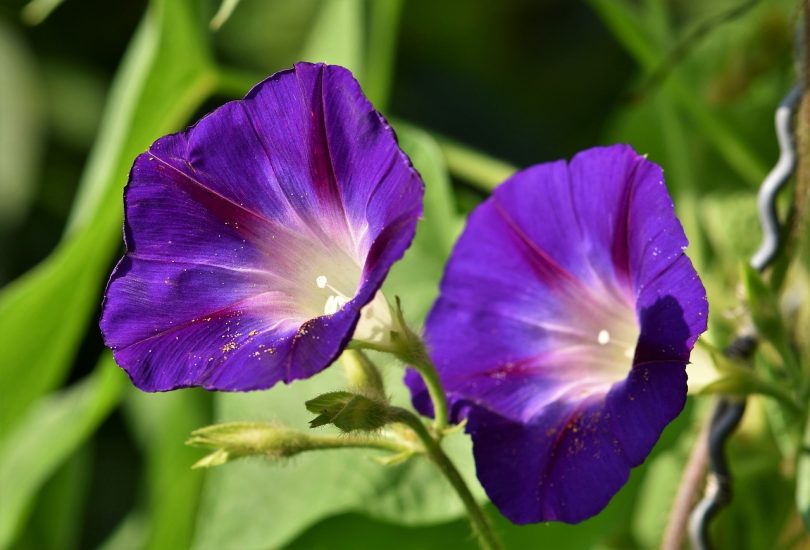
Morning Glory
Basic Information: Morning glories are vining plants with trumpet-shaped flowers that open in the morning and fade by evening. They’re fast-growing and great for trellises.
Sun: Full sun
Soil Needs: Well-drained, average
Blooms In: Summer to fall
Lobelia
Basic Info: Low-growing with masses of tiny flowers in blue, purple, or white. Great for edging or containers.
Sun: Full sun to part shade
Soil: Moist, well-drained
Blooms In: Spring through early summer

Verbena
Basic Info: Long-blooming flowers that thrive in heat and attract butterflies. Good for hanging baskets and ground cover.
Sun: Full sun
Soil: Well-drained
Blooms In: Summer through fall

Dusty Miller
Basic Info: Grown more for its silvery foliage than flowers. Pairs beautifully with bright bloomers.
Sun: Full sun
Soil: Well-drained
Blooms In: Summer (though often grown just for foliage)

Sweet Alyssum
Basic Info: Not to be confused with “alyssum” listed below in this list, this is a specific variety with a honey scent. Excellent for attracting beneficial insects.
Sun: Full sun to part shade
Soil: Well-drained
Blooms In: Spring through fall

Browallia
Basic Info: Also known as bush violet, this is a shade-tolerant annual with violet-blue flowers. Useful for underplanting or containers in low-light areas.
Sun: Part shade to full shade
Soil: Well-drained, moist
Blooms In: Summer

Torenia
Basic Info: This compact, shade-loving annual is also referred to as the wishbone flower, and comes in bicolor flowers in purple, blue, or pink. Great for containers or under taller plants.
Sun: Part shade to shade
Soil: Moist, well-drained
Blooms In: Summer to fall

Gazania
Basic Info: Bright daisy-like flowers that open in sunlight. Extremely drought tolerant and great for hot, dry spots.
Sun: Full sun
Soil: Well-drained, sandy or rocky
Blooms In: Summer to fall

Nicotiana
Basic Information: The Nicotiana genus consists of more than 60 species of plants, including many flowering tobaccos and plants used to produce smoking tobacco. The ornamental plants have trumpet-shaped flowers and cannot be used to produce smoking tobacco.
Sun: Full sun
Soil Needs: Well-drained, rich
Blooms In: Summer

Nasturtium
Basic Information: Nasturtium flowers and leaves are both edible, with a sharp, peppery flavor. There are various types of nasturtiums that grow in both low bush and trailing forms. While bright orange flowers are the most common color, you can also find maroon, yellow, pink, and other colored blooms.
Sun: Full sun
Soil Needs: Well-drained, not overly rich
Blooms In: Spring through fall

Alyssum
Basic Information: Alyssum has hundreds of tiny flowers that are often white, pink, or purple. The plant is low growing and has shallow roots, so it makes a great flowering ground cover. Since the flowers are so small, they attract tiny native bees and wasps that have a hard time feeding on other flowers.
Sun: Full sun or part shade
Soil Needs: Well-drained
Blooms In: Spring through fall

Cleome
Basic Information: When you purchase a cleome seedling, don’t be afraid if it looks sort of ugly; these plants don’t start blooming until they grow bigger. Their clustered flowers have outstretched stamens that resemble spider legs, hence their other name spider flower.
Sun: Full sun or part shade
Soil Needs: Well-drained
Blooms In: Summer

Petunia
Basic Information: Many petunias can handle lots of summer heat and short periods of drought — so you don’t have to worry about watering them every day. While petunias produce lots of trumpet-shaped blooms, each flower is relatively short-lived. To keep your plant looking fresh, remove the dead flowers, a practice known as deadheading.
Sun: Full sun or part shade
Soil Needs: Well-draining, can handle infertile soil
Blooms In: Spring through fall

Begonia
Basic Information: You can clump begonias into four main categories: rex, tuberous, and wax, and angel-wing. When you choose a begonia, be aware that different varieties have different light preferences. Most varieties cannot handle direct sun, but a few new hybrids thrive in full sun.
Sun: Ideally, part shade, but can handle full sun or shade
Soil Needs: Well-draining, rich
Blooms In: Summer and fall

Sweet Pea
Basic Information: Sweet peas are extremely cold-tolerant, and early planting is key to their success; you should plant seeds in early spring before the last frost hits. While there are a few bush varieties available, most sweet peas thrive when they’re provided with a trellis or fence to climb. No matter what type you grow, you can expect to be delighted by a sweet, floral fragrance.
Sun: Full sun
Soil Needs: Well-draining, rich
Blooms In: Spring and early summer

Impatiens
Basic Information: Impatiens are named since their seed pods can impatiently explode open. Since these plants don’t like bright sun, they’re popular flowers for shade gardens.
Sun: Part shade or shade
Soil Needs: Rich and well-drained
Blooms In: Spring and summer

Marigold
Basic Information: Marigolds are known for having bright orange flowers as well as very few problems with pests and diseases. Some varieties are even used to deter big critters like rabbits and deer. Marigolds contain carotenoids that can help keep your eyes healthy.
Sun: Full sun
Soil Needs: Well-draining
Blooms In: Spring through fall

Perennial Flowers
Unlike annuals, perennial flowers live for more than one year. They may bloom and set seed their first year, or they may even take multiple years to flower. These flower types remain alive even after they flower. Some perennials can live hundreds of years while others live less than ten years. While perennials may appear to die during cold periods, they should regrow in the spring, though it’s important to note that not all perennials can survive cold temperatures. Tropical perennial plants, sometimes known as tender perennials, can survive years in warm areas but die during cold winters. Therefore, you’ll need to replant them each year in cold regions.
Wildflowers
Perennials make up the majority of the United States’ wildflowers. They include spring ephemerals that emerge for a few weeks each spring as well as long-lasting blooms that blanket meadows and hillsides. If you’re looking for a way to support native pollinators and make your garden look good for years to come, you’ll want to choose one of these types of flowers.
New England Aster
Basic Information: A member of the daisy family, the New England aster fills fall gardens with purple flowers. These asters bloom much later than other flowers, providing a welcome boost of color in the fall. They also provide insects with an autumn source of nectar and pollen.
Sun: Full sun to part shade
Soil Needs: Well-draining
Blooms In: Late summer to fall

Russian Sage
Basic Information: With its silvery stems and lavender-blue flowers, Russian sage adds movement and a lovely scent to cut flower arrangements.
Sun: Full sun
Soil Needs: Well-drained, poor to moderately fertile
Blooms In: Summer to early fall

Blue-Eyed Grass
Basic Information: Despite its name, blue-eyed grass is a member of the iris family. It grows in clumps, with small blue or violet flowers growing atop leaves that resemble grass stalks.
Sun: Full sun to part shade
Soil Needs: Well-draining
Blooms In: Spring and early summer

California Poppy
Basic Information: Gardeners often grow this poppy as an annual, but it is a perennial where conditions stay cool enough. Its bright orange flowers cover hillsides during California summers, where it is the state flower.
Sun: Full sun to part shade
Soil Needs: Well-draining, can tolerate poor quality rocky and sandy soil
Blooms In: Summer

Butterfly Weed
Basic Information: Don’t let the name fool you, this plant is not a weed. This flowering plant produces lots of pretty little orange blooms that bees, butterflies, and other pollinators love.
Sun: Full sun
Soil Needs: Well-drained
Blooms In: Summer

Milkweed
Basic Information: Perhaps best known as the host plant for the monarch caterpillar, milkweed is a popular flower for any wildflowers garden. There are lots of species of milkweed that are adapted to various soil types and moisture levels. Some types to check out include common milkweed and swamp milkweed.
Sun: Full sun
Soil Needs: Well-drained
Blooms In: Summer

Coral Bells
Basic Information: Coral bells is the common name for a group of plants in the Heuchera genus. The plants are also known as alumroot, and they thrive along rocky cliffs or crevices. The tall flower stalk contains many bell-shaped pink blooms.
Sun: Full sun to part shade
Soil Needs: Well-drained
Blooms In: Summer

Columbine
Basic Information: Various columbine species are native to much of the United States; check what species are endemic to your area to support local wildlife. No matter what species you grow, you’ll recognize columbine unique flowers.
Sun: Full sun to part shade
Soil Needs: Well-drained
Blooms In: Spring and summer

Cardinal Flower
Basic Information: Cardinal flowers have bright red blooms that resemble the songbird. Since the flowers are tubular, they rely on the hummingbird’s long beak and tongue for pollination. Unlike many other flowers, they thrive in moist areas near bogs and wet forest edges.
Sun: Part shade
Soil Needs: Rich and moist
Blooms In: Late summer and early fall

Coreopsis
Basic Information: Also known as tickseed, coreopsis varieties fill meadows and prairies throughout the United States. Since there are over 80 species of coreopsis, look for one that is native to your home. When you plant this flower, you’ll provide nectar and pollen for bees and butterflies as well as seeds for birds.
Sun: Full sun to part shade
Soil Needs: Well-draining, not picky
Blooms In: Summer and fall

Coneflower
Basic Information: Coneflowers, also known as echinacea, produce pink flowers. The perennial plants are drought and heat-tolerant and can survive in poor soils. Parts of these plants are used to improve immune systems as well as decrease inflammation and pain.
Sun: Full sun to part shade
Soil Needs: Well-drained, can tolerate poor soil
Blooms In: Summer and fall

Dutchman’s Breeches
Basic Information: Dutchman’s breeches is a spring ephemeral which means the plant appears in early spring, blooms, and then disappears. Its white flowers resemble a pair of upside-down pants.
Sun: Part shade to shade
Soil Needs: Rich and moist yet well-drained
Blooms In: Spring

Credit: Wiki Commons: https://commons.wikimedia.org/wiki/File:Dutchman%27s_Breeches_-_Dicentra_cucullaria,_C._F._Phelps_Wildlife_Management_Area,_Sumerduck,_Virginia.jpg
Yarrow
Basic Information: Yarrow is native to much of the United States, where it grows in poor soils. The plant produces flat clusters of small flowers as well as delicate, feathery leaves. With the development of new cultivars, you can find yarrow with yellow, white, red, orange, and pink flowers.
Sun: Full sun to part shade
Soil Needs: Well-drained, cannot tolerate moist soil
Blooms In: Late spring through early fall

Goldenrod
Basic Information: Goldenrod plants belong to the Solidago genus, which consists of over 100 species of perennial plants covered in small yellow flowers. While many people say that goldenrod causes allergies, goldenrod pollen is too heavy to be carried by the wind. The real culprit is ragweed, which blooms at the same time as goldenrod.
Sun: Full sun to part shade
Soil Needs: Well-drained, tolerates poor soil
Blooms In: Late summer and fall

Baptisia
Basic Information: Also known as false indigo, the Baptisia genus of plants consists of 20 species native to the Eastern and Midwestern portions of the United States. While the plants only flower for a few weeks, their foliage remains an attractive blue-green in spring through fall. People used baptisia to produce blue dye when true indigo was not available.
Sun: Full sun
Soil Needs: Well-draining
Blooms In: Spring

Salvia
Basic Information: Salvia is the general name for sage plants. There are about a thousand species of salvias, but around fifty species are native to the United States. These plants produce spikes of flowers that come in colors including red, blue, white, yellow, and purple.
Sun: Full sun
Soil Needs: Well-draining
Blooms In: Late spring through early fall

Bee Balm
Basic Information: Bee balm is one of the best flowers to plant if you want to attract bees, butterflies, hummingbirds, and songbirds. When you’re searching for these plants, look for the genus name Monarda as well as the common name wild bergamot.
Sun: Full sun
Soil Needs: Well-draining yet moist
Blooms In: Summer

Black-Eyed Susan
Basic Information: Black-eyed Susan’s resemble small sunflowers with a raised rather than flat flower center. While the center is always dark, the petals may be yellow, orange, maroon, or other colors. This plant is sometimes referred to by its genus name Rudbeckia.
Sun: Full sun
Soil Needs: Well-drained
Blooms In: Summer

Cut Flowers
Many of the flowers that grace the bouquets we love happen to be perennials. By caring for these flowering plants, you’ll be rewarded with a yearly supply of blooms that are perfect for cutting. Remember that some perennials will take a few years to bloom, so you might have to send flowers online while you wait.
Iris
Basic Information: There are over 300 species of irises and even more varieties. Some species are native to the United States, but many others have been bred for their gorgeous colors or long vase life. Irises grow from rhizomes, a type of underground stem.
Sun: Full sun
Soil Needs: Well-drained and rich
Blooms In: Summer

Anemone
Basic Information: These flowers have a poppy-like look with vivid colors and dark centers. They’re popular in both fresh and dried arrangements.
Sun: Full sun to part shade
Soil Needs: Well-drained
Blooms In: Spring

Alstroemeria
Basic Information: Also known as the Peruvian lily, alstroemeria is a popular cut flower for bouquets. The flowers come in a wide range of colors and last over a week in a vase. The plant grows from tubers that send up new leaves and flowers each year.
Sun: Full sun
Soil Needs: Well-drained
Blooms In: Summer

Baby’s Breath
Basic Information: Baby’s breath produces clouds of tiny white or pink flowers on thin, branching stems. Florists use it to fill the gaps between larger blooms, and it dries beautifully for everlasting arrangements. It’s considered invasive in parts of the northern United States, so check local guidance before planting it outdoors.
Sun: Full sun
Soil Needs: Well-drained, slightly alkaline
Blooms In: Summer

Bird of Paradise
Basic Information: The orange and blue blooms of the bird of paradise look like the head of a tropical bird in flight. Native to South Africa, it’s also the official flower of the City of Los Angeles. Outside of warm climates, it’s grown as a large houseplant, and the cut stems last up to two weeks in a vase.
Sun: Full sun to part shade
Soil Needs: Well-drained, rich
Blooms In: Fall through spring, or year-round in warm climates

Sea Holly
Basic Information: Sea holly is the common name for any of the species in the Eryngium genus. The blue flowers have long bracts which resemble spiked holly leaves.
Sun: Full sun
Soil Needs: Well-drained
Blooms In: Summer

Calla Lily
Basic Information: Despite the name, calla lilies aren’t true lilies. What looks like a single petal is actually a spathe, a modified leaf that wraps around a tiny flower spike in the center. Native to southern Africa, callas grow from rhizomes that you can dig up and store over winter in cold climates.
Sun: Full sun to part shade
Soil Needs: Moist, rich, well-drained
Blooms In: Late spring and summer

Carnation
Basic Information: While many gardeners grow perennial carnations, flower farmers often treat the plants as annuals. If you choose to grow carnations yourself, you’ll be able to select varieties and colors that are hard to find in flower shops.
Sun: Full sun
Soil Needs: Well-drained
Blooms In: Spring and summer

Chrysanthemum
Basic Information: Many species of chrysanthemums are native to China, where they were cultivated as early as the 15th century BC. Over time, people discovered that chrysanthemums contain compounds called pyrethrins which are used as natural insecticides.
Sun: Full sun
Soil Needs: Well-draining
Blooms In: Late summer to fall

Daffodil
Basic Information: The daffodil’s yellow flowers are an iconic sign of the arrival of spring. If you want daffodils in your garden, you’ll plant bulbs in the fall. The next spring, the bulb will send up leaves and flowers before dying back.
Sun: Full sun
Soil Needs: Well-drained
Blooms In: Spring

Dahlia
Basic Information: Dahlias grow from tubers that you plant outside or start indoors in spring. Dahlias are perennials, so you can dig up the tubers in the fall and replant them the following spring. There are over 40 species of dahlias and hundreds of varieties to choose from.
Sun: Full sun
Soil Needs: Well-draining, rich
Blooms In: Summer

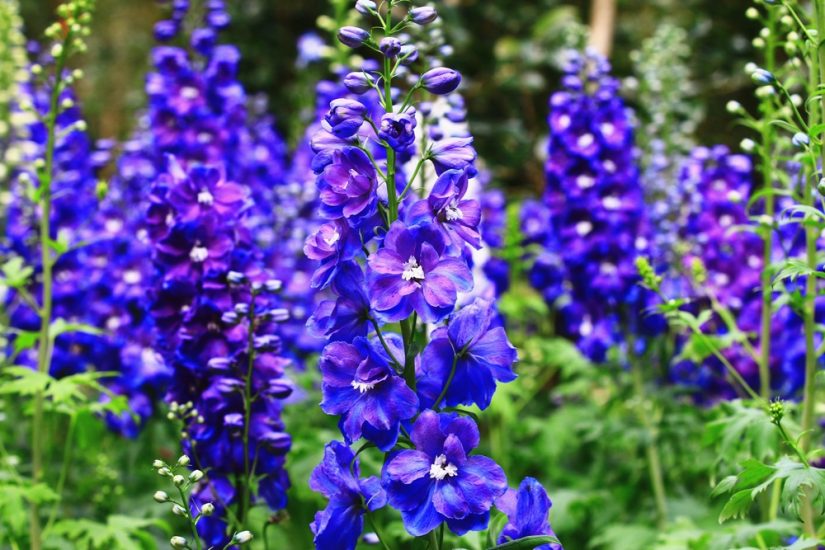
Delphinium
Basic Information: Delphiniums grow tall spikes packed with flowers in some of the truest blues in the garden, as well as purple, pink, and white. Like their close cousin larkspur, the plants grow tall enough to need staking and prefer cool summers. All parts of the plant are toxic.
Sun: Full sun
Soil Needs: Well-drained, rich, moist
Blooms In: Early summer, sometimes again in fall if cut back
Freesia
Basic Information: Freesias grow from corms and produce funnel-shaped blooms that line up along one side of a gently curved stem. Their citrusy, sweet fragrance makes them a favorite in bouquets. Native to South Africa, they can stay in the ground year-round only in warm climates.
Sun: Full sun
Soil Needs: Well-drained
Blooms In: Spring, or summer when planted in spring

Gladiolus
Basic Information: Gladiolus flowers, lovingly referred to as glads, grow from a type of bulb-like structure known as a corm. Once you plant a corm, you’ll be rewarded with tall flower spikes year after year. However, if you live in USDA hardiness zone 6 or below, you should mulch your corms to protect them from the cold.
Sun: Full sun or a bit of shade
Soil Needs: Well-drained, sandy or loamy
Blooms In: Late spring and summer

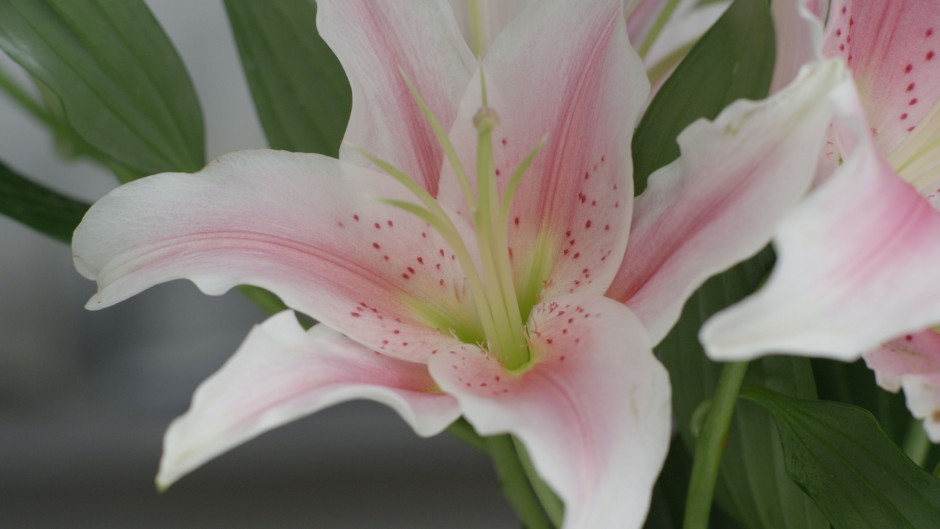
Lily
Basic Information: True lilies grow from bulbs and send up tall stems topped with large, trumpet-shaped flowers. Asiatic lilies come in the widest range of colors, while Oriental lilies are known for their strong, sweet fragrance. All parts of the plant, including the pollen, are highly toxic to cats.
Sun: Full sun to part shade
Soil Needs: Well-drained, rich
Blooms In: Early to late summer
Orchid
Basic Information: Orchids make up one of the largest flower families on Earth, with tens of thousands of species. Many grow on trees in the wild rather than in soil, which is why potted orchids are planted in chunky bark instead of potting mix. Moth orchids, the most common type sold as houseplants, can stay in bloom for two to three months.
Sun: Bright, indirect light
Soil Needs: Orchid bark mix, never regular potting soil
Blooms In: Winter through spring (moth orchids)

Phlox
Basic Information: There are many different species of phlox as well as lots of individual cultivars. To encourage new flowers, remove old flowers once they have died. Bees and butterflies love phlox’s sweet nectar and bright pink, red, and purple flowers.
Sun: Full sun to part shade
Soil Needs: Well-drained, rich
Blooms In: Summer and fall

Protea
Basic Information: Proteas are named after Proteus, the shape-shifting Greek god, because the plants take on so many different forms. The king protea, South Africa’s national flower, can produce blooms nearly a foot across. Their sculptural flowers dry well, so they work in both fresh and dried arrangements.
Sun: Full sun
Soil Needs: Sandy, acidic, very well-drained; avoid fertilizers with phosphorus
Blooms In: Winter through spring

Veronica
Basic Information: There are over 500 species in the Veronica genus, plants that gardeners often refer to as speedwell. Some varieties have tall spikes covered in tiny flowers while others grow as ground covers with tiny, individual flowers.
Sun: Full sun to part shade
Soil Needs: Well-drained
Blooms In: Summer

Ranunculus
Basic Information: Ranunculus flowers resemble roses or peonies with their many layers of petals. They’re popular in spring bouquets, especially for weddings.
Sun: Full sun
Soil Needs: Well-drained, rich
Blooms In: Spring

Rose
Basic Information: Oh, the rose. With hundreds of species and thousands of cultivars, you can find a rose for just about every space. These beautiful flowers will benefit from regular watering and fertilizing. If you are harvesting your roses for a vase, cut them when they’re in bud form for the longest-lasting blossoms.
Sun: Full sun
Soil Needs: Well-drained
Blooms In: Spring through fall

Tulip
Basic Information: Tulips emerge from bulbs that gardeners must plant. While these flowers are perennials, their flowers and overall health begin to fade after a few years. Therefore, you’ll want to plant new bulbs if you want a continuous supply of gorgeous tulips.
Sun: Full sun
Soil Needs: Well-draining and rich
Blooms In: Spring

Lisianthus
Basic Information: While lisianthus is a tender perennial, it’s often grown as an annual. The plant has a reputation of being a bit difficult to grow, but it’s prized as a cut flower. Its layered rose-like blooms can last up to two weeks once cut!
Sun: Full sun
Soil Needs: Well-draining, rich, and alkaline
Blooms In: Summer and fall

Pincushion Flower
Basic Information: Pincushion flowers bloom continuously from spring through fall as long as you remove dead flowers. If you want your plant to survive for multiple years, make sure you avoid clay soil and wet areas. These plants are also known as scabiosa.
Sun: Full sun
Soil Needs: Well-drained, loamy
Blooms In: Spring through fall

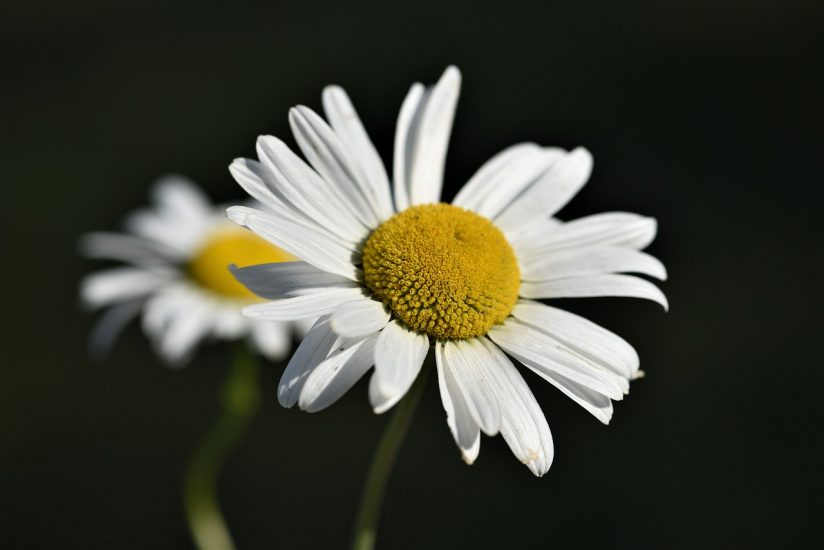
Shasta Daisy
Basic Information: The Shasta daisy is a modern hybrid with a long bloom period and good vase life. The classic cultivar has iconic white petals with a bright yellow center, but other varieties exist.
Sun: Full sun to part shade
Soil Needs: Well-drained
Blooms In: Summer
Hydrangea
Basic Information: Hydrangeas grow as medium to large shrubs with big clusters of flowers. There are over 75 species of hydrangeas that fall into categories including oakleaf, panicle, and lacecap. Some species of hydrangea are native to the United States.
Sun: Part shade is ideal, but some can handle full sun
Soil Needs: Well-drained, rich
Blooms In: Summer and fall

Peony
Basic Information: With layers of petals and a sweet scent, peonies are a treat in the late spring garden. Their large flowers are long-lasting once cut, so they’re a great component of bouquets.
Sun: Full sun
Soil Needs: Well-drained, slightly acidic
Blooms In: Spring and early summer

Lavender
Basic Information: Known for its fragrance as well as aromatherapeutic and culinary uses, lavender is a rockstar plant. The flowers can be used in bouquets as well as dried for later use.
Sun: Full sun
Soil Needs: Well-drained, not overly fertile
Blooms In: Late spring and early summer

Flowers for the Garden
The following flowering plants will add beauty to your garden year after year. Remember that most perennials grow bigger over time, so make sure you plant them in an area where they have room to expand.
Hosta
Basic Information: Hostas are true shade plants and will suffer if they receive too much sun. Since they are low-growing, they make an ideal garden border. Their large, lush leaves are reason enough to add them to your garden, but they also send up a tall spike of purple or white flowers.
Sun: Part shade or shade
Soil Needs: Well-drained yet moist
Blooms In: Spring or summer

Astilbe
Basic Information: A top choice for shade gardens, astilbe has feathery plumes in pink, white, and red tones. It thrives in moist soils and adds texture to the garden.
Sun: Part shade to shade
Soil Needs: Moist, rich
Blooms In: Late spring to mid-summer

Cherry Blossom
Basic Information: Cherry blossoms are the soft pink and white flowers of ornamental cherry trees. In Japan, people celebrate their short bloom with hanami, the tradition of picnicking beneath the blossoms. Each tree’s peak bloom lasts only a week or two, so the flowers have come to symbolize the fleeting beauty of life. Get the full story in our cherry blossom facts.
Sun: Full sun
Soil Needs: Well-drained
Blooms In: Early to mid-spring

Pansy
Basic Information: Yes, technically pansies are perennials. However, gardeners often treat them as annuals, replanting them each year. Due to their cold-hardiness, pansies are a great way to add color to a winter garden or porch planter.
Sun: Full sun or part shade
Soil Needs: Well-drained, rich
Blooms In: Fall through spring

Lilac
Basic Information: Lilacs are hardy shrubs covered in cone-shaped clusters of fragrant purple, white, or pink flowers each spring. They need a cold winter to bloom well, so they thrive in northern gardens. Since they set next year’s flower buds soon after blooming, prune them right after the flowers fade.
Sun: Full sun
Soil Needs: Well-drained, neutral to slightly alkaline
Blooms In: Mid to late spring

Magnolia
Basic Information: Magnolias are one of the oldest groups of flowering plants, so old that they evolved before bees and are pollinated by beetles. Saucer magnolias cover their bare branches in pink and white blooms in early spring. The evergreen southern magnolia, native to the southeastern United States, produces huge, lemon-scented white flowers in summer.
Sun: Full sun to part shade
Soil Needs: Moist, well-drained, slightly acidic
Blooms In: Early spring to summer, depending on the species

Sedum
Basic Information: Also known as stonecrops, plants in the Sedum genus have succulent leaves and colored flowers. Some sedums grow as creeping groundcovers while others grow upright. Since they’re succulents, they cannot handle moist or compacted soil.
Sun: Full sun
Soil Needs: Very well-draining
Blooms In: Summer to early fall

Lotus
Basic Information: Lotus flowers rise high above the water on tall stems, with large round leaves that shed water droplets. The plant is sacred in Hinduism and Buddhism, where it represents purity rising from muddy water. Lotus seeds can stay viable for centuries, and growing one at home calls for a pond or a large container of water. Learn more in our guide to lotus flower meaning.
Sun: Full sun
Soil Needs: Heavy loam or clay, submerged under a few inches of water
Blooms In: Summer

Hellebore
Basic Information: Hellebore, also known as lenten rose, is one of the first flowers to bloom each spring; don’t be surprised if you see blooms emerging from the snow! Once the flowers fade, the plants still add intrigue to the garden with their large, low-growing leaves.
Sun: Part shade or shade
Soil Needs: Well-draining, rich, moist
Blooms In: Early spring

Hibiscus
Basic Information: Tropical hibiscus produces large, glossy flowers in red, pink, orange, and yellow, but each bloom lasts only a day or two. In colder regions, try hardy hibiscus instead, a perennial with dinner plate–sized blooms that dies back in winter and returns in spring. A yellow species of hibiscus is the state flower of Hawaii.
Sun: Full sun
Soil Needs: Moist, rich, well-drained
Blooms In: Summer to fall

Jasmine
Basic Information: Jasmine is a climbing vine or shrub with small white or yellow star-shaped flowers. Many types release their sweetest fragrance in the evening, and some are used to scent jasmine tea. Star jasmine, a popular climbing plant, isn’t a true jasmine at all, though its flowers smell similarly sweet.
Sun: Full sun to part shade
Soil Needs: Well-drained, moist, rich
Blooms In: Spring through summer

Bleeding Heart
Basic Information: With unique pink or white flowers that resemble hearts, this plant is great for shade gardens. Its leaves appear in the spring and it flowers shortly after. However, it often goes dormant later in the summer.
Sun: Part shade or shade
Soil Needs: Well-drained
Blooms In: Spring

Daylily
Basic Information: Each daylily flower only lasts a day, but new blooms replace old ones for a bloom period that lasts a few weeks. While daylilies fill gardens and blanket roadsides, they are native to Asia.
Sun: Full sun or part shade
Soil Needs: Well-drained, rich, moist
Blooms In: Spring and summer

Lupine
Basic Information: Lupine plants have pan-like leaves and tall flower spikes. While some lupine species are native to the United States, many others are not. All types of lupine are legumes similar to peas and beans.
Sun: Full sun
Soil Needs: Rich, well-drained
Blooms In: Spring and summer

Azalea
Basic Information: Azaleas are small shrubs that become covered in showy flowers in the late spring. Due to long and intense plant-breeding efforts, there are more than 10,000 different types of azaleas! Some species of azaleas are native to the United States.
Sun: Part shade
Soil Needs: Well-drained, acidic
Blooms In: Spring

Biennial Flowers
Biennial kinds of flowers blooms during their second year of life and then die. They spend their first year gathering energy and growing leaves and roots. While biennials will not come back year after year, many self-seed to provide a continuous supply of flowers.
Wildflowers
You can find the following flowering plants growing untended in nature, but that doesn’t necessarily mean they’re native to the United States.
Common Mullein
Basic Information: Mullein is as well known for its velvety leaves as it is for its yellow flowers. The plant exhibits obvious biennial growth with a short rosette of leaves in its first year and a tall flower spike in its second year. It is considered somewhat of a nuisance plant in the United States where you can find it growing in open fields.
Sun: Full sun
Soil Needs: Well-drained, can handle poor soil
Blooms In: Summer of its second year

Evening Primrose
Basic Information: The evening primrose gets its name from the fact that the flowers open in each evening and close the following day. Therefore, it relies on nighttime creatures like moths for pollination. Oil from the plant’s seeds is used to help treat a variety of conditions ranging from eczema to PMS.
Sun: Full sun
Soil Needs: Well-drained
Blooms In: Summer and fall

Cut Flowers
If you want a continuous supply of these biennial cut flowers, sow new seeds or plant transplants every year. When the flowering plant is done blooming in its second year, the vegetative plant will be ready to flower the next year.
Foxglove
Basic Information: Foxglove has tall stalks covered in tubular flowers with interior speckles. While they are biennials, they can bloom for more than one year. While foxglove flowers are beautiful, all parts of the plant are very toxic.
Sun: Full sun
Soil Needs: Well-drained, rich
Blooms In: Summer

Queen Anne’s Lace
Basic Information: Also known as wild carrot, Queen Anne’s lace is closely related to the familiar vegetable. It has a small purple dot in the center of the flower, which resembles a dot of blood that landed on the royal Queen Anne’s lace.
Sun: Full sun
Soil Needs: Well-drained
Blooms In: Spring through fall

Canterbury Bells
Basic Information: With its namesake bell-shaped flowers, this plant sings out with color. The flowers come in blue, pink, purple, and white. Once cut, Canterbury bells last over a week in a vase.
Sun: Full sun or part shade
Soil Needs: Well-drained, rich
Blooms In: Summer

Honesty
Basic Information: Grown for both its purple spring blooms and unique silvery seed pods, which are stunning in dried arrangements.
Sun: Full sun to part shade
Soil Needs: Well-drained
Blooms In: Spring

Flowers for the Garden
When you plant biennial flowers in your garden, you often have two choices. You can plant seeds and expect flowers next year. Or, you can purchase a plant that is already in its second year. If you choose this option, you can treat the plant like an annual that will flower and die within the same year.
Hollyhock
Basic Information: Hollyhocks have tall flower spikes with large, open flowers. Since the plants grow between three and eight feet tall, they work well in front of fences or in the backdrop of a garden. The plant’s foliage is an important food source for the caterpillar of the painted lady butterfly.
Sun: Full sun
Soil Needs: Well-drained
Blooms In: Summer

Sweet William
Basic Information: People sometimes refer to sweet William by its genus name Dianthus. The flowers have a sweet scent and are available in shades of white, pink, and red.
Sun: Full sun
Soil Needs: Well-drained, loamy
Blooms In: Spring and summer

Forget-Me-Not
Basic Information: Although they’re biennials, forget-me-nots easily self-seed; so plant them somewhere you want them long term. Their small blue flowers were one of Princess Diana’s favorites.
Sun: Full sun or part shade
Soil Needs: Well-drained but moist
Blooms In: Spring

Teasel
Basic Information: Wildflower with prickly leaves and cone-shaped flower heads that dry beautifully. Great for pollinators.
Sun: Full sun
Soil Needs: Moist, well-drained
Blooms In: Summer

Verbascum
Basic Information: Spikes of pastel flowers; newer cultivars offer colors like apricot and lavender.
Sun: Full sun
Soil Needs: Well-drained
Blooms In: Summer

Wallflower
Basic Information: Fragrant flowers in vibrant yellows, oranges, and purples. Often grown as a biennial in colder climates.
Sun: Full sun
Soil Needs: Well-drained
Blooms In: Spring

Did you find your new favorite flower? This is an extensive list, but not an exhaustive one. There are still plenty of wonderful, colorful, unique blooms left to discover out in the wild. Next time you’re walking on a local trail, look down for different wildflowers during the spring and summer months. You can also enjoy these blooms right at home with flower delivery from Bouqs. Happy gifting, growing, and foraging!
FAQs About Flower Types
How many types of flowers are there?
Somewhere between 295,000 and 370,000 known species of flowering plants, depending on who’s counting. The Royal Botanic Gardens, Kew, puts it at about 369,000, and botanists describe roughly 2,000 new plant species every year. Only a few hundred are grown commercially as cut flowers.
What are the most popular types of flowers?
Roses lead, followed by tulips, lilies, sunflowers, peonies, orchids, carnations and hydrangeas. They’re popular for good reason: they come in lots of colors, hold up well in a vase and work for nearly any occasion. See the quick-reference table above for colors, seasons and vase life.
What’s the difference between annual, perennial and biennial flowers?
Annuals sprout, bloom, set seed, and die in one growing season. Perennials come back year after year from the same roots, bulbs, or tubers. Biennials take two years: leaves the first year, flowers the second. Some flowers, like dahlias and snapdragons, are perennials in warm climates but grown as annuals where winters freeze.
Which cut flowers last the longest?
Carnations and chrysanthemums often last two to three weeks. Alstroemeria, lilies, and lisianthus usually last 10 to 14 days. Cut orchid stems can go even longer. To extend the life of any bouquet, we recommend trimming the stems at an angle and changing the water every two days.
Which flowers are safe for cats and dogs?
Roses, sunflowers, snapdragons, gerbera daisies, and moth orchids are non-toxic to cats and dogs. Keep true lilies and daylilies away from cats entirely, because even the pollen or vase water can cause kidney failure. Tulips, daffodils, hydrangeas, and chrysanthemums are also toxic to pets. Learn more in our guide to poisonous flowers and plants.
What are some rare types of flowers?
The ghost orchid, the corpse flower, and the Middlemist red camellia are among the rarest. Some grow in only a handful of places on Earth. Meet more in our guide to rare and unusual flowers.
What’s the most beautiful flower in the world?
That’s up to you, but peonies, roses, orchids, and lotus flowers top most lists. See our picks in the world’s prettiest flowers.
Shop All

