
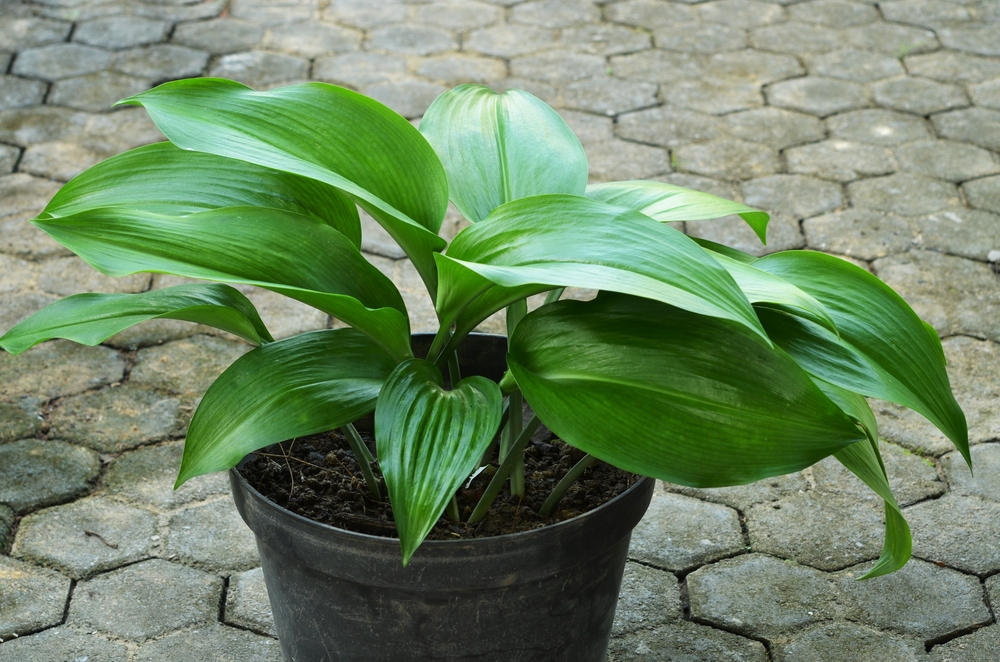
The cast iron plant or Aspidistra elatior, has a reputation for being nearly impossible to kill. It became a popular houseplant in the Victorian era, and it is still a favorite for beginners, offices, and shady gardens. Its broad, glossy evergreen leaves bring lush greenery to spots where many other plants struggle. This guide covers cast iron plant care from start to finish, including watering, light, planting outdoors, choosing a container, and picking a variety.
Cast Iron Plant at a Glance
- Botanical name: Aspidistra elatior
- Light: Low to medium indirect light, with no harsh direct sun
- Water: When the top couple of inches of soil feel dry
- Temperature: About 60 to 80°F
- Outdoor hardiness: USDA zones 7 to 11
- Pet safety: Not toxic to humans or pets
- Growth rate: Slow
Cut Plant Care
Cast iron plant is better known as a houseplant than a flower, but its sturdy green leaves are often used as cut foliage in floral arrangements. If you have a few stems in a vase, a little care helps them look their best.
- Start with a clean vase and fresh water.
- Trim the stem ends and remove any leaves that would sit below the waterline.
- Change the water every few days.
- Keep the arrangement out of direct sun and away from heat sources.
Leaves that have yellowed or dried at the edges can be trimmed off so the arrangement stays tidy.
Caring for Cast Iron Plants in Gardens
Caring for cast iron plants outdoors is simple if you live in the right climate. According to the University of Florida IFAS Extension, the plant is hardy in USDA zones 7 through 11. It forms slowly spreading clumps, which makes it a handy groundcover or border plant in shady areas.
When to Plant
In zones 10 and 11, you can plant a cast iron plant at any time of year. In cooler parts of its range, spring is a good time to plant, since the plant comes into growth then. Spring is also the best time to divide an established clump if you want more plants.
Where to Plant: Sunlight Needs
Choose a spot with partial to full shade. NC State Extension notes that cast iron plants are intolerant of direct sun, so the north side of a house or the ground beneath mature trees works well. A good rule of thumb is that anywhere a hosta will grow, a cast iron plant will too.
The plant tolerates a wide range of soils, but well-drained soil is best. Space plants 12 to 18 inches apart. In zone 8 and warmer, shelter them from winter winds, because the leaves are prone to winter burn.
When to Water
Once established, cast iron plants handle dry spells well. Water thoroughly when the top few inches of soil dry out, and give them a little extra attention during hot, dry weather. Avoid soggy soil, which is the most common way to harm this tough plant.
Feeding and Pruning
Outdoor plants need very little food. A single application of foliage fertilizer each spring is enough. To control size or remove damaged leaves, cut them off at the base.
Common Pests and Diseases
Cast iron plant is resistant to most insect pests and is also deer resistant. Scale, spider mites, and mealybugs can occasionally show up, and the plant can develop leaf spotting diseases. Check the undersides of leaves from time to time. If you see fine webbing or speckled leaves, spider mites may be the cause. Wiping leaves clean and removing badly affected ones usually keeps small problems from spreading.
Complementary Plants
Pair cast iron plants with other shade lovers. Hostas make a natural partner, since they enjoy similar conditions. The dark, upright leaves of a cast iron plant also contrast nicely with plants that have lighter or more textured foliage.
Growing Cast Iron Plants in Containers
Containers are where most people grow this plant, and the plant is well suited to them. Pots let you grow cast iron plants in any climate, since you can bring them indoors when it gets cold. Here is how to care for a cast iron plant in a pot.
How to Care for a Cast Iron Plant Indoors
- Light: Cast iron plants grow in low light and artificial light but do best in bright to medium indirect light. A few hours of gentle morning sun is fine, but avoid strong afternoon sun, which can scorch the leaves.
- Water: Check the soil with your finger every week or so, and water when the top two inches feel dry. Let water drain out and empty the saucer afterward. Water less in winter and more in warm, sunny months.
- Temperature and humidity: Typical household temperatures suit this plant, but avoid cold drafts and sudden swings. It tolerates average humidity, though a humidifier can help if winter heating makes the air very dry.
- Soil and food: Use a well-draining potting mix, and add perlite or sand if your mix feels heavy. Feed sparingly with a liquid houseplant fertilizer diluted to half strength once a month in spring and summer, and only on damp soil.
- Cleaning: The broad leaves collect dust. Wipe them down or rinse the plant about once a month to keep it healthy and tidy.
This simple routine covers most cast iron plant care. These plants grow slowly, so repot only every two to three years or when roots become crowded.
Choosing the Right Container
Pick a pot with drainage holes. Terracotta and other clay pots let soil dry out a little faster, which helps if you tend to overwater. Glazed ceramic pots hold moisture longer and come in more decorative styles. For a patio or porch in a mild climate, a large planter box can hold several plants for a full, leafy look. Choose a container only slightly larger than the root ball, and keep the plant out of full sun.
How to Prevent Leaf Problems
- Yellow or brown leaves: These often point to overwatering, underwatering, or too much direct light. Check the soil before watering and move the plant to a shadier spot if needed.
- Brown tips: These can come from dry soil or mineral buildup from tap water. Try filtered water and trim the tips with clean scissors.
- Speckled leaves: Look for spider mites on the undersides of leaves and treat them promptly.
Varieties of Cast Iron Plant
Most cast iron plants are Aspidistra elatior, but several cultivars add variety. NC State Extension lists many, including these popular ones.
- Milky Way: Dark green leaves dotted with small white spots that resemble a starry sky.
- Asahi: Leaf tips that fade to white, as if touched by the morning sun. The name means “morning sun.”
- Variegata: Dark green leaves striped with cream.
- Lennon’s Song: Narrow dark green leaves with irregular creamy yellow stripes.
Variegated types are usually a bit more sensitive to strong light, so give them a shady spot.
Fun Facts About Cast Iron Plants
Cast iron plants are native to Japan and reached Europe in the 1820s. They earned their common name during the Regency and Victorian eras because they survived harsh conditions that defeated other houseplants. They are also called barroom plants for the same reason.
The plant rarely flowers indoors, but when it does, the blooms appear near the soil line and are easy to miss under the leaves.
Bring Home More Greenery with The Bouqs Co.
Now that you know how to care for a cast iron plant, you can add one to your home or garden with confidence. Give it shade, water it only when the soil dries out, and let it grow at its own slow pace. For more ideas, browse our selection of plant delivery options. If you enjoy foliage plants, our guides on caring for begonia plants and our fittonia plant care guide are good next reads. Whichever plant you choose, a little knowledge about caring for cast iron plants and their leafy relatives goes a long way.
Shop All

