

When the garden goes quiet and the days grow short, it’s easy to assume color has to wait until spring. It doesn’t. Plenty of winter flowers push through frost, snow, and gray skies to deliver blooms exactly when we need them. Whether you’re planning a cold-weather garden, filling a windowsill, or shopping for a thoughtful gift, there are more flowers in the winter season than most people realize.
Below, we’ve rounded up more than 30 flowers that bloom in winter, along with quick notes on sun and soil so you know what each one needs to thrive. Some are hardy outdoor perennials, some are bulbs you can force indoors, and some are cheerful houseplants that bloom while it’s snowing outside. Not sure where you live on the hardiness map? Check your zone with the USDA Plant Hardiness Zone Map, which is based on average annual minimum winter temperatures, before you plant.

Get 20% off on Bouqs.com with code BOUQSBLOG. Exclusions apply.
English Primrose

Often sold as houseplants, evening primrose has a winter-hardy variety that typically blooms in March when planted outdoors. Its pale yellow blooms bloom cheerfully, preferring partial shade and growing 6 to 12 inches high and 8 to 9 inches wide.
Plant type: perennial
Exposure: partial shade
USDA hardiness zone: 4-8
Bloom time: late winter to early spring
Scilla
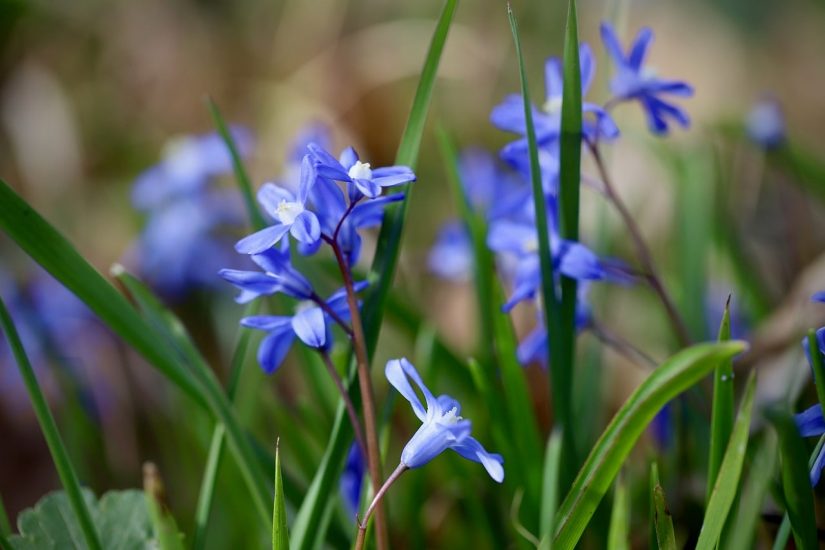
These delicate bright blue flowers bloom in late winter and are popular as border flowers and in rock gardens. Also called Siberian quill flowers, scilla will grow just 3-6 inches.
Plant type: bulb
Exposure: full sun to partial shade
USDA hardiness zone: 4-8
Bloom time: late winter to early spring
Hellebore

Hellebore is also referred to as Christmas rose or Lenten rose. The evergreen hellebore produces stunning rose-like blooms with double petals in early to late winter, depending on the climate. Warmer zones will see blooms in December, while in colder climates, blooms appear in late winter, during Lent. This showy winter flower grows 24 inches tall and wide.
Plant type: perennial
Exposure: partial to full shade
USDA hardiness zone: 4-9
Bloom time: mid to late winter
Leucojum
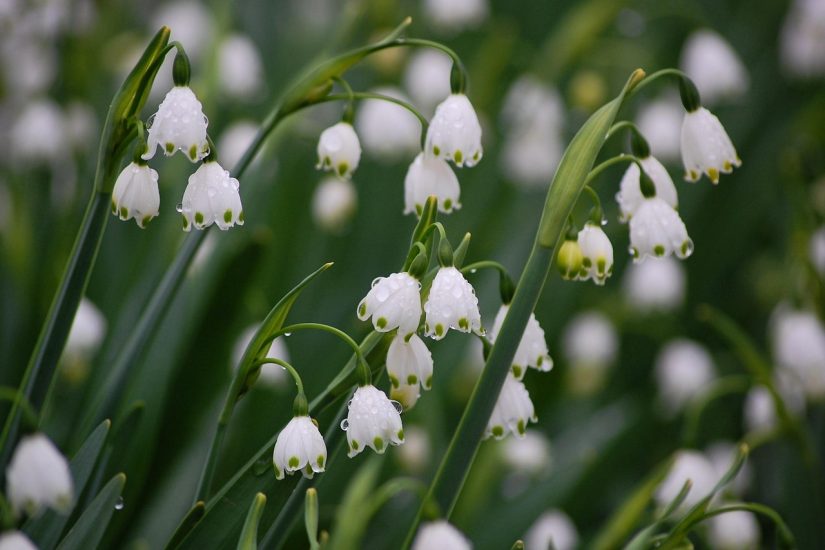
Also called spring snowflake flowers, these white bell-shaped flowers bloom in late winter, sometimes while the ground is still covered in snow. Versatile and hardy, leucojum does well in shade and in rock gardensPlant type: bulb
Exposure: shade to partial sun
USDA hardiness zone: 3-9
Bloom time: late winter to late spring
Winter Jasmine

This shrub with bright yellow flowers is often mistaken for forsythia, but winter jasmine blooms earlier, and its blooms last longer, up to eight weeks. Winter jasmine is a versatile addition to your winter garden, as it can be used as a groundcover, or trained as a climbing shrub.
Plant type: shrub
Exposure: full sun to partial shade
USDA hardiness zone: 6-8
Bloom time: late winter
Winter Aconite
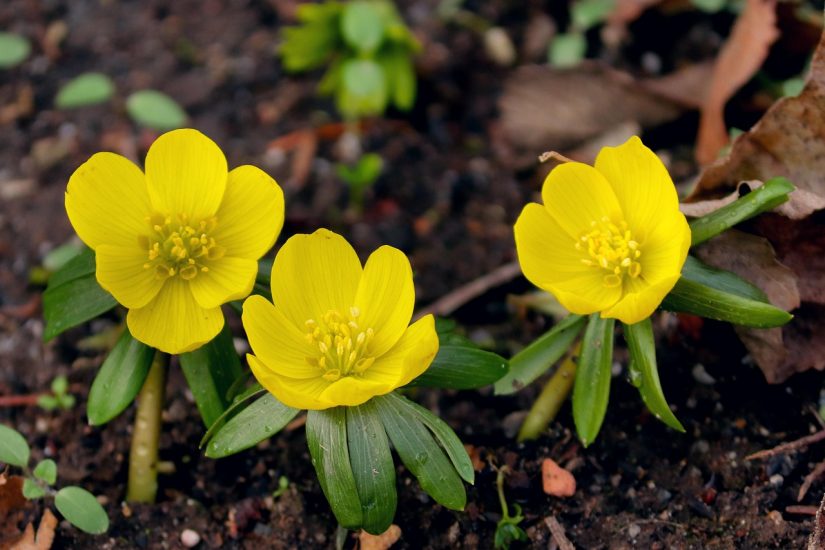
One of the earliest winter blooming flowers, winter aconite’s cheerful yellow blooms grow low, just 3-4 inches, and multiply freely once established. They make a sunny groundcover, and are especially striking next to other early bloomers like snowdrops.
Plant type: bulb
Exposure: full sun to partial shade
USDA hardiness zone: 3-7
Bloom time: February to March
Pussy Willow
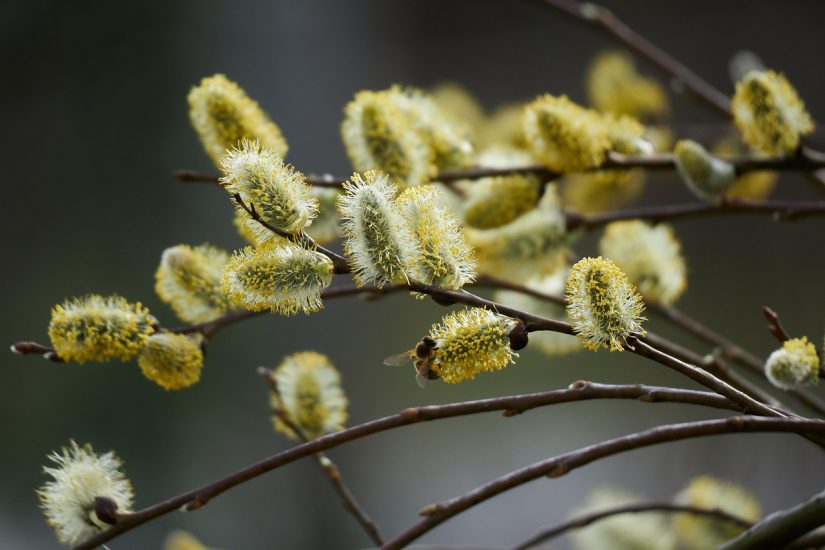
The bare branches of this shrub are dotted with small fuzzy flowers called catkins in late winter and early spring. Pussy willows are often seen as harbingers of spring, and branches full of catkins are popular in spring wreaths and flower arrangements.
Plant type: shrub
Exposure: full sun to partial shade
USDA hardiness zone: 4-8
Bloom time: late winter to early spring
Camellia

Another winter flower sometimes associated with roses, camellia is often called the Rose of Winter. Its rose-like flowers bloom as early as December in shades of red, pink, and white, and thrive in southern gardens, lasting into the mid-spring months.
Plant type: shrub
Exposure: partial shade, avoiding afternoon sun
USDA hardiness zone: 7-10
Bloom time: mid-winter to spring
Crocus

Blooming in late winter, crocus flowers are notorious for inspiring spring fever. The blue-purple blooms burst brazenly from the cold winter soil, providing a pop of contrasting color amongst its fellow early bloomers. Cheery crocus flowers spread readily once established, and will return year after year as an exhilarating reminder that spring is around the corner!
Plant type: bulb
Exposure: full sun to partial shade
USDA hardiness zone: 3-8
Bloom time: late winter to early spring
Snowdrops

What’s in a name? Everything in this case. Snowdrops bloom early, often sprouting up through the winter snow, with delicate but striking snow-white flowers that face downward, as if they were falling to the ground like snowflakes. They join yellow winter aconite in the earliest of winter blooming flowers, bringing a joyful mood lifter in the dreariest part of the season.
Plant type: bulbs
Exposure: full sun to partial shade
USDA hardiness zone: 3-9
Bloom time: January to March
Japanese Pieris
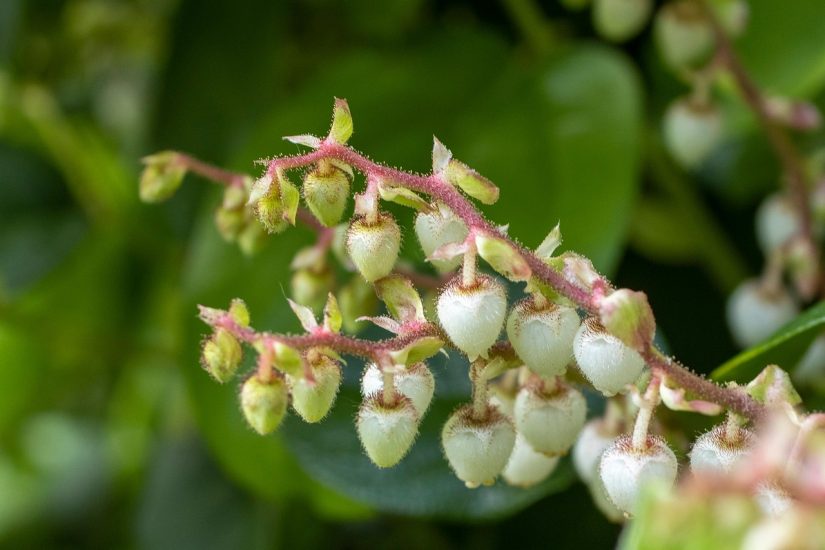
This shade tolerant evergreen shrub shows up beautifully in the garden year round, but is at its peak brilliance in late winter. Cascades of long flower clusters resembling lily-of-the-valley cover the shrub in a blanket of white, pink, or deep rose. The blooms last for several weeks, and as they wane, new reddish bronze foliage appears, turning glossy green as the weather warms in spring. Japanese pieris is a reliable ornamental shrub, growing 9-12 feet tall, and 6-8 feet wide.
Plant type: shrub
Exposure: full sun to partial shade
USDA hardiness zone: 5-8
Blooming time: late winter to early spring
Reticulated Iris
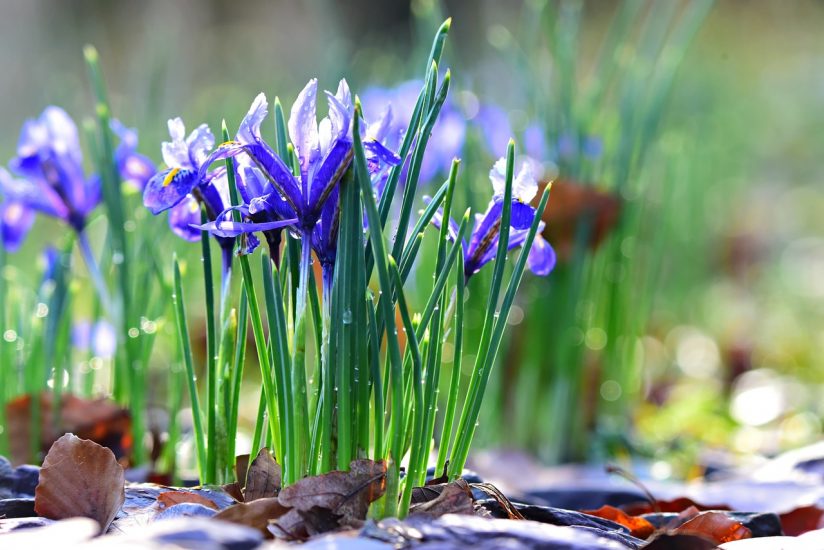
This small iris grows only 3-6 inches tall, but is big on the wow factor with brilliant royal blue flowers accented with yellow and white. Reticulated iris is a bold presence in the garden when planted in clusters, but can be slow to naturalize, so it’s recommended to plant more bulbs every year at first.
Plant type: bulb
Exposure: full sun to partial shade
USDA hardiness zone: 5-9
Blooming time: March
Winter Heath
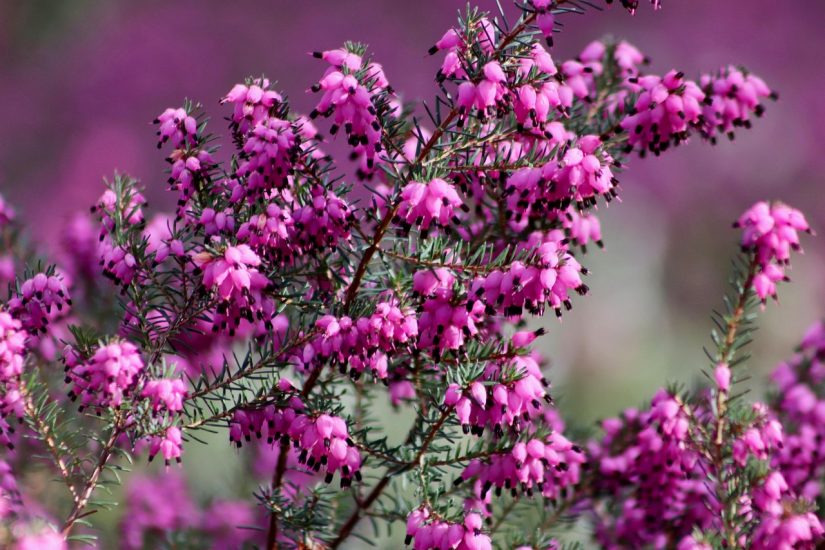
Evergreen winter heath is a popular ground cover, blooming in early winter, even blanketing the snow with winter blooming flowers in shades of red, pink, purple, and white. The low-growing shrub spreads quickly, with dense, needle-like foliage year round.
Plant type: shrub
Exposure: full sun to partial shade
USDA hardiness zone: 5-7
Blooming time: January to March
Witch Hazel

Witch hazel is a striking ornamental shrub, growing 10 to 20 feet tall and producing spider-like flowers in red and yellow hues that are even more eye-catching sprouting from bare branches. Blooming from late winter to spring, even in colder climates, witch hazel has foliage the rest of the year, which turns in autumn to saturated shades of yellow, orange, and red.
Plant type: shrub
Exposure: full sun
USDA hardiness zone: 4-8
Bloom Time: January to March
Glory of the Snow
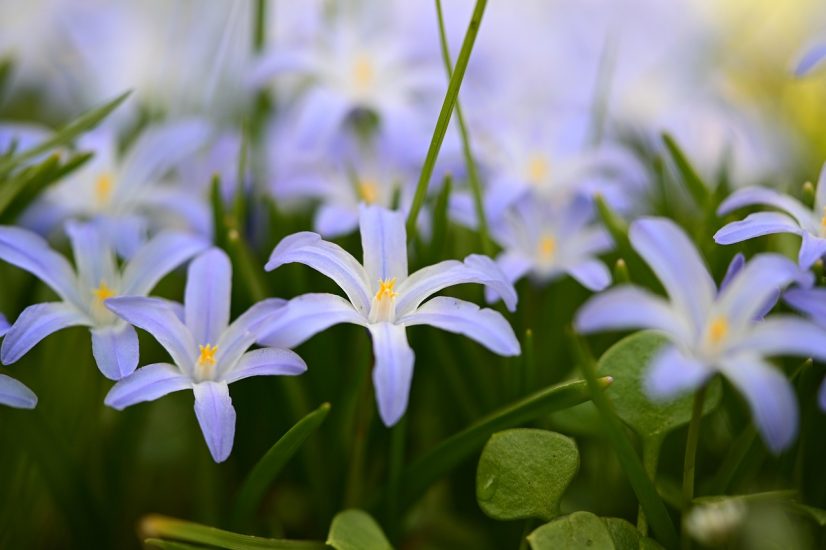
Just as your earliest winter flowers are fading away, glory of the snow comes alive with vibrant blue and white star-shaped flowers that seem to sparkle in the morning frost. Growing 6-12 inches tall, these winter blooming flowers are stunning when naturalized in rock gardens, wooded areas, and lawns.
Plant type: bulb
Exposure: full sun to partial shade
USDA hardiness zone: 3-8
Bloom time: February to March
Hardy Cyclamen
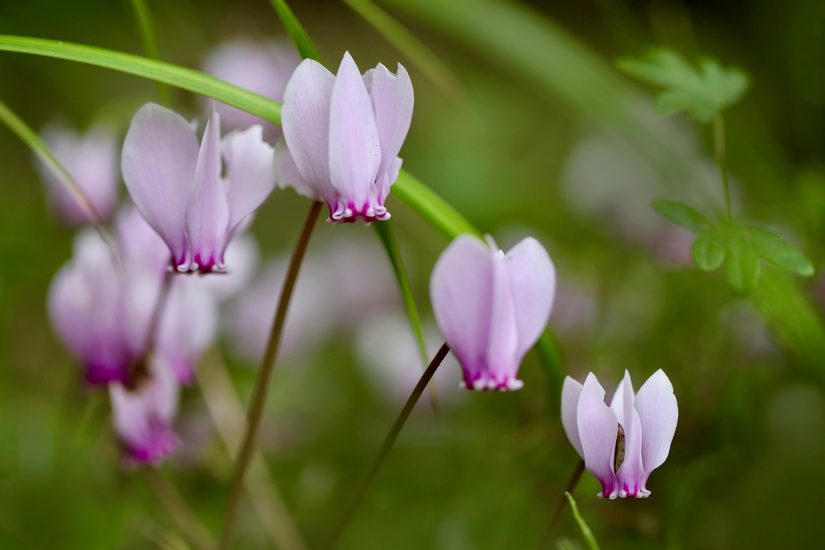
Cyclamen is better known as a houseplant, but the hardy cyclamen, also called winter cyclamen or Persian violet, thrives outdoors, waiting patiently until winter sets in to come out in all its glory. Staying dormant throughout summer, winter cyclamen emerges first with heart shaped leaves, then delicate white or pink flowers, as early as December. Growing to just 3-4 inches, winter cyclamen self-sows and naturalizes easily, and makes a lovely winter groundcover.
Plant type: bulb
Exposure: partial to full shade
USDA hardiness zone: 4-8
Bloom time: December to March
Pansy

Planted in autumn, pansies produce a riot of saturated color to your garden from fall until spring in milder climates. Though they usually stop blooming after a hard frost, pansies are known to be especially resilient, and will bloom again in late winter or early spring, giving you two seasons of this winter blooming flower.
Plant type: annual
Exposure: full sun to partial shade
USDA hardiness zone: 6-10
Bloom time: autumn, winter, spring
Ornamental Kale and Cabbage

These plants are all foliage, yet they bring dramatic flair to your winter garden, like one big flower, growing 12-18 inches tall and just as wide. Ornamental kale is sometimes called flowering kale because of its richly colored, frilled foliage that forms a large rosette. The leaves range in color from bluish-white to red-violet and purple, becoming deeper and richer as the temperatures drop. Though ornamental kale is edible, it’s bitter than kale that’s cultivated for food, and more often used as an edible garnish.
Plant type: Annual or biennial
Exposure: full sun to partial shade
USDA hardiness zone: 2-11
Bloom time: fall to early winter
Viola

Violas are the smaller, daintier cousins of pansies, and much like pansies, are resilient enough to survive the winter or return in early spring. And just like their cousins, violas come in an impressive array of rich color combinations. They don’t do well in summer heat, so it’s best to plant them once autumn temperatures have set in.
Plant type: annual
Exposure: full sun to partial shade
USDA hardiness zone: 4-9
Bloom time: fall, winter, spring
Mahonia
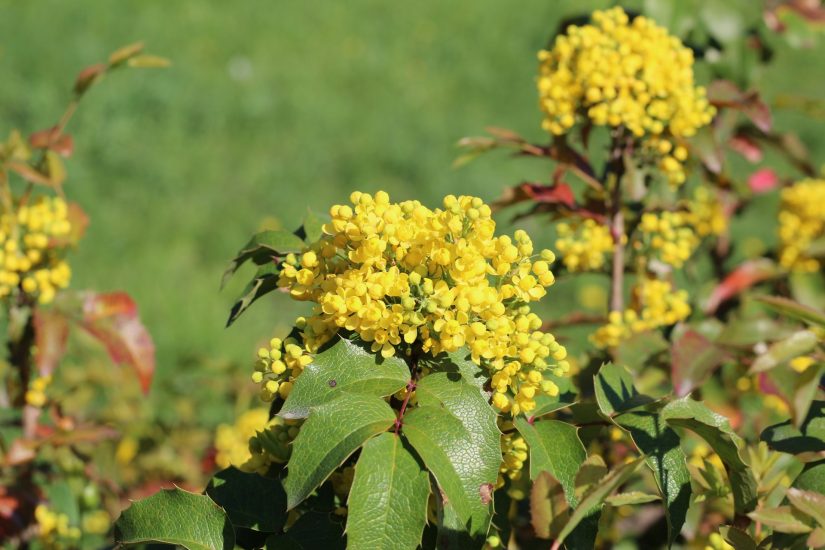
This evergreen shrub has large, frond-like leaves and blooms in late fall to early winter, with sprays of sunny yellow blooms. They bring a splash of bright color just as the last of the fall flowers are waning. Later in winter, the flowers give way to glossy blue-black berries.
Plant type: shrub
Exposure: partial sun
USDA hardiness zone: 5-9
Bloom time: fall, winter, spring
Ipheion
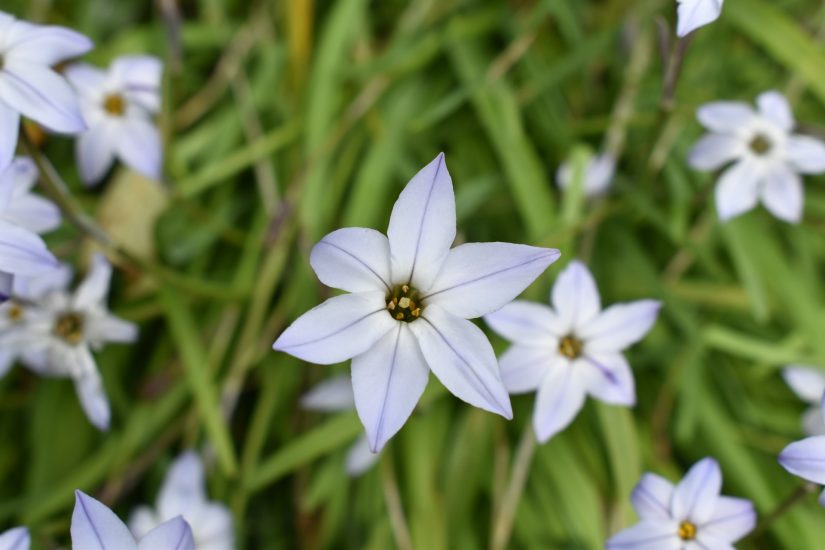
This star shaped winter flower has grassy foliage and delicate, fragrant, pale to dark blue blooms. Growing 6-8 inches, each bulb produces multiple blooms that naturalize easily.
Plant type: bulb
Exposure: full sun to partial shade
USDA hardiness zone: 5-9
Bloom time: late winter to early spring
Dianthus

Dianthus is the family behind the classic carnation. Its garden varieties, often called pinks, bring the same frilly, spice-scented charm to the winter garden. In mild climates, dianthus planted in fall will bloom through the cool months in shades of pink, red, white, and bicolor, and its blue-gray foliage holds its color even after a frost. Most garden varieties stay compact at 6-12 inches, which makes them a natural fit for borders and containers. Love the look indoors? Carnations are among the longest-lasting cut flowers you can bring home in winter.
Plant type: perennial, often grown as an annual
Exposure: full sun
USDA hardiness zone: 3-9
Bloom time: fall through spring in mild climates; spring to fall in colder zones
Snapdragon
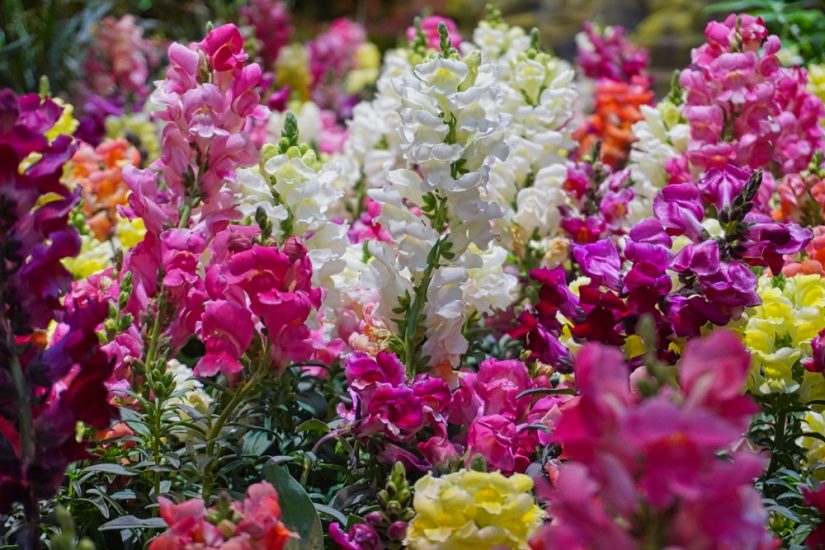
Snapdragons get their name from their dragon-shaped blooms, which “snap” open and shut when you gently squeeze the sides. They’re cool-season flowers at heart. In warmer zones they’re planted in fall and put on their best show from winter into spring. Their tall spikes of pink, red, orange, yellow, white, and purple flowers range from 6 inches to 3 feet tall depending on the variety, adding height and vertical drama to beds and borders. They also make excellent cut flowers.
Plant type: annual, or short-lived perennial in warm zones
Exposure: full sun
USDA hardiness zone: 7-11
Bloom time: winter to spring in mild climates; spring to fall in colder zones
Sweet Alyssum

Low-growing sweet alyssum spills over the edges of beds, containers and window boxes in a carpet of tiny white, pink, or lavender flowers with a soft, honey-like scent. It struggles in summer heat but thrives in cool weather, so gardeners in mild climates can enjoy its blooms all winter. Growing just 3-9 inches tall, it makes a fragrant groundcover that also draws beneficial insects to the garden.
Plant type: annual
Exposure: full sun to partial shade
USDA hardiness zone: 9-11
Bloom time: fall through spring in mild climates
Calendula

Calendula, also called pot marigold, brightens winter with daisy-like blooms in sunny shades of orange, yellow and cream. It prefers cool temperatures and can handle a light frost, so in mild climates it keeps flowering from fall until spring. The petals are edible and have long been used to add color to salads, soups, and teas. Plants grow 12-24 inches tall, and deadheading spent blooms keeps new flowers coming.
Plant type: annual
Exposure: full sun to partial shade
USDA hardiness zone: 2-11
Bloom time: fall to spring in mild climates
Daffodil

Few flowers announce the end of winter like daffodils. Early varieties such as ‘February Gold’ and ‘Rijnveld’s Early Sensation’ push through cold soil in late winter and open trumpet-shaped blooms in yellow, white, orange, and pink. Plant the bulbs in fall, before the ground freezes, and they’ll return and multiply year after year. Deer and rodents leave daffodils alone, but they’re toxic to pets, so plant them with curious cats and dogs in mind.
Plant type: bulb
Exposure: full sun to partial shade
USDA hardiness zone: 3-8
Bloom time: late winter to spring
Hyacinth

Hyacinths pack dense spikes of star-shaped flowers in purple, blue, pink, white and peach, with a sweet fragrance you’ll notice from across the garden. Planted outdoors in fall, they bloom in late winter to early spring and grow 8-12 inches tall. Hyacinths are also one of the easiest bulbs to force indoors. After 12-14 weeks of chilling, set a bulb in a hyacinth vase just above the waterline, and you’ll have fragrant blooms in the dead of winter.
Plant type: bulb
Exposure: full sun to partial shade
USDA hardiness zone: 4-8
Bloom time: late winter to early spring, or winter when forced indoors
Anemone

Anemones, also called windflowers, are a florist favorite for their bold dark centers framed by petals in white, red, pink, purple, and blue. In mild climates, poppy anemone corms planted in fall bloom from late winter into spring. In colder gardens, the low-growing Grecian windflower (Anemone blanda) carpets the ground with daisy-like blue, pink, and white flowers in early spring. Soak the corms for a few hours before planting to help them root. Their graphic look also makes them a standout in winter flower arrangements.
Plant type: bulb (corm)
Exposure: full sun to partial shade
USDA hardiness zone: 7-10 (poppy anemone); 4-8 (Grecian windflower)
Bloom time: late winter to spring
Amaryllis

Amaryllis is the showstopper of the holiday season. Its trumpet-shaped blooms reach up to 10 inches across on tall, sturdy stems, in red, white, pink, salmon, and striped varieties. Most amaryllis are grown indoors as potted bulbs and flower six to eight weeks after planting, so a bulb potted in early November can be in full bloom for the holidays. In warm climates, amaryllis can also be planted outdoors, where it typically blooms in spring.
Plant type: bulb
Exposure: bright, indirect light indoors; full sun to partial shade outdoors
USDA hardiness zone: 8-11
Bloom time: winter indoors; spring outdoors
Paperwhite

Paperwhites are a type of narcissus with clusters of small, starry white flowers and a strong, sweet fragrance. Unlike most spring bulbs, they don’t need a chilling period, which makes them one of the easiest bulbs to force indoors. Nestle them in a dish of pebbles and water, and they’ll bloom in about four to six weeks. Stagger your plantings every couple of weeks to keep blooms coming all winter. To keep tall stems from flopping, wait until the shoots are a few inches tall, then switch the water to a weak mix of one part 80-proof liquor to seven parts water.
Plant type: bulb
Exposure: bright light indoors; full sun to partial shade outdoors
USDA hardiness zone: 8-11
Bloom time: winter indoors; late winter to early spring outdoors
Poinsettia

Poinsettias are synonymous with the holidays, but their famous red “petals” are actually bracts, colorful modified leaves surrounding the small yellow flowers at the center. Beyond classic red, they come in white, pink, cream, marbled, and speckled varieties. Indoors, keep them in bright, indirect light away from cold drafts and heat vents, and water when the soil surface feels dry. In frost-free climates, poinsettias grow outdoors as shrubs up to 10 feet tall. They’re mildly toxic to pets and cause irritation rather than serious harm, but keep them out of reach anyway. For a full holiday look, pair one with a Christmas bouquet.
Plant type: shrub, typically grown as a houseplant
Exposure: bright, indirect light indoors; full sun outdoors
USDA hardiness zone: 9-11
Bloom time: November to January
Decorate and Celebrate with the Best Winter Flowers
Flowers that bloom in winter truly transform outdoor spaces, bringing warmth and vibrance to your garden. Bring the winter garden indoors with winter flower arrangements incorporated into your home decor. Celebrate special occasions with a winter bouquet or plant delivery, and if you have winter birthdays on your list, the field of choices opens up. Start by checking out December’s birth flowers, and you’ll see the variety of ways to celebrate a birthday with flowers, from season to birth month to zodiac sign!
Make sure your winter bouquets and plants are fresh and will last as long as possible by ordering from The Bouqs. Our commitment to sustainability not only means sourcing from sustainable farms, fair compensation for workers, and reducing our carbon consumption, it also means you receive the freshest, longest lasting flowers, directly from the farm to your door. We’re proud to provide a range of options for every occasion, from small celebrations to big events, in every season!
Shop All