
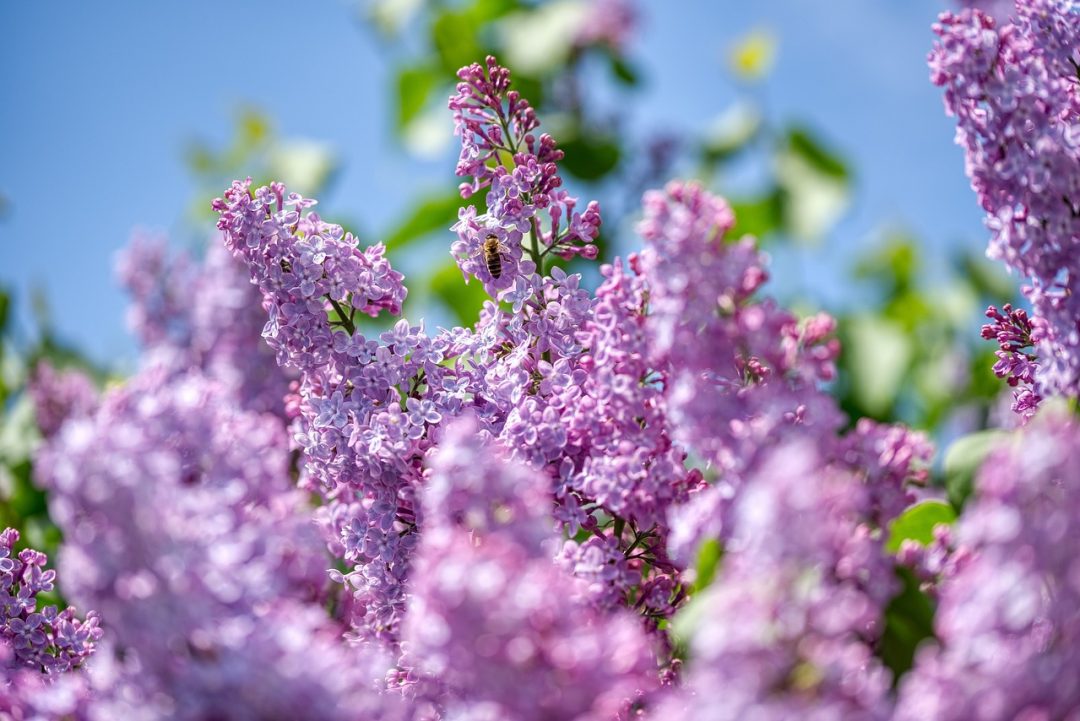
The purple lilac is known for its fragrant blooms, soft clusters of flowers, and strong connection to springtime across New England. As the official New Hampshire state flower, the purple lilac represents resilience, beauty, and the hardy spirit of the Granite State.
So you’re wondering, “What is the state flower of New Hampshire?” Well, you might be surprised to learn the purple lilac was chosen not because it is native to the region, but because of the qualities it symbolizes. Its ability to thrive through cold winters and bloom beautifully each spring reflects the character and perseverance associated with New Hampshire residents.
In this guide, we’ll explore the history of the New Hampshire state flower, why it was selected, interesting facts about lilacs, and tips for growing these fragrant flowering shrubs at home. If you enjoy learning about regional blooms and floral traditions, The Bouqs Co. also offers a flower delivery service featuring fresh seasonal bouquets inspired by flowers grown across the country.
History of the New Hampshire State Flower
The purple lilac, scientifically known as Syringa vulgaris, became the official New Hampshire state flower in 1919. According to the New Hampshire State Almanac, lawmakers selected the flower because it symbolized the “hardy character” of the state’s people. While lilacs originally came from southeastern Europe, they became deeply associated with New England after arriving in North America during the colonial period. The shrubs adapted well to colder climates and quickly became common in home gardens, town centers, and historic properties throughout the Northeast.
Today, lilacs bloom across New Hampshire every spring, filling neighborhoods and gardens with their signature sweet fragrance and soft purple flowers. Their connection to the region helped establish them as an important cultural and botanical symbol. The New Hampshire State Almanac notes that the flower was specifically selected because it reflects the strength and resilience of New Hampshire citizens.
Why the Purple Lilac Was Chosen
The New Hampshire state flower was selected during the early 20th century when many states began formally adopting official floral symbols. The state flower of New Hampshire needed to represent both the natural beauty and personality of the region. Lawmakers believed the purple lilac matched those qualities perfectly because of its cold hardiness and dependable spring blooms. Unlike delicate flowers that struggle in harsh weather, lilacs survive freezing winters and return each year with vibrant blossoms. This durability became a meaningful symbol for New Hampshire, a state known for rugged landscapes, snowy winters, and strong community traditions.
Purple also carries symbolic meaning. Historically, purple flowers often represented dignity, pride, and spirituality. Combined with the lilac’s sweet fragrance and long lifespan, the flower became an ideal choice for representing the state. For readers interested in exploring floral symbols across the United States, we also shares a full list of state flowers featuring every official bloom by state.
Fun Facts About Purple Lilacs
The New Hampshire state flower has a long history filled with symbolism, fragrance, and gardening traditions.
Here are a few interesting facts about purple lilacs:
Lilacs Can Live for Decades
Well-maintained lilac bushes often live for more than 50 years. Some historic New England properties still feature lilac shrubs planted generations ago.
Their Fragrance Is Highly Recognizable
Lilacs are famous for their sweet floral scent, especially during peak spring bloom season. Their fragrance is commonly used in perfumes, candles, and personal care products.
Purple Lilacs Symbolize First Love
In Victorian flower language, purple lilacs represented first love and youthful emotions. Different lilac colors developed additional symbolic meanings over time.
Lilacs Come in Multiple Colors
Although the purple lilac is the official New Hampshire state flower, lilacs also bloom in:
- White
- Pink
- Lavender
- Blue-purple
- Deep magenta
Some modern hybrids even feature double blooms and stronger fragrances.
They Attract Pollinators
Lilacs help support pollinators like butterflies and bees during spring blooming season, making them valuable additions to pollinator-friendly gardens. The State Symbols USA website provides additional historical details about the flower’s official designation and symbolism.
Growing and Caring for Purple Lilacs
One reason the state flower of New Hampshire became so beloved is because lilacs are relatively easy to grow in cooler climates.
Sunlight Requirements
Lilacs grow best in full sun and typically need at least 6 hours of direct sunlight each day. Too much shade often reduces flowering and weakens growth.
Soil Conditions
Purple lilacs prefer:
- Well-draining soil
- Slightly alkaline to neutral pH
- Moderate soil moisture
- Good airflow around the plant
Heavy wet soil increases the risk of root problems and fungal disease.
Watering Needs
Young lilac shrubs benefit from regular watering during their first growing season. Once established, mature plants tolerate short dry periods fairly well.
Avoid overwatering, especially in humid climates.
USDA Growing Zones
Lilacs thrive best in USDA hardiness zones 3 through 7. Their cold tolerance makes them especially popular across northern states and New England.
Pruning Tips
Prune lilacs shortly after blooming finishes in late spring. Since next year’s buds develop during summer, late pruning often removes future flowers.
Removing spent blooms and older branches encourages healthier growth and improved air circulation.
Common Problems
Powdery mildew is one of the most common lilac issues, especially during humid summers. Proper spacing and sunlight help reduce fungal problems.
Aphids and scale insects occasionally appear but rarely cause severe damage when managed early.
Purple Lilacs in New Hampshire Today
The New Hampshire state flower continues to play an important role in gardens, public spaces, and local traditions throughout the state. Many towns celebrate spring lilac blooms through seasonal festivals, garden tours, and historic preservation efforts. The flowers remain closely tied to New England landscapes and are often planted near historic homes, schools, and community spaces.
Because of their beauty and fragrance, lilacs also remain popular in floral arrangements and spring bouquets nationwide. If you enjoy learning about state floral symbols, you can also learn about the Wyoming state flower and discover how regional flowers reflect the culture and landscapes of different states.
Celebrate New Hampshire’s State Flower with The Bouqs Co.
The purple lilac remains one of the most recognizable flowers associated with New England. Its fragrant blooms, cold hardiness, and symbolic connection to resilience made it the perfect choice for the New Hampshire state flower more than a century ago. Whether growing in historic gardens or blooming beside neighborhood homes each spring, lilacs continue to represent tradition, beauty, and endurance throughout the Granite State.
For anyone asking, “What is the state flower of New Hampshire?”— the answer reflects more than a beautiful bloom. The purple lilac stands as a lasting symbol of strength, pride, and the natural beauty found throughout New Hampshire.
Shop All

