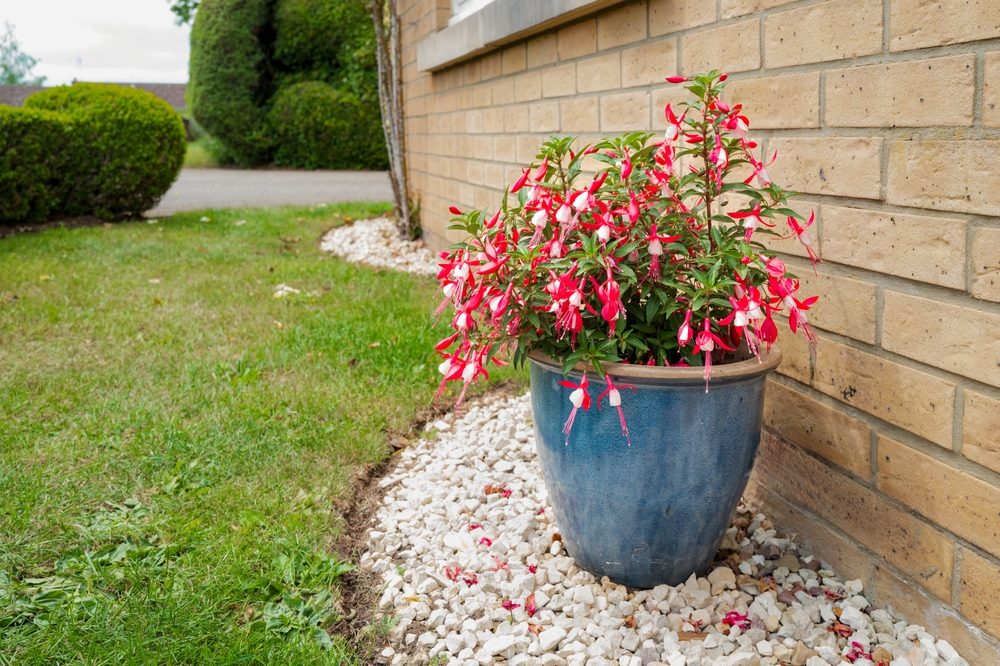
Fuchsia plants stand out with their elegant, pendulous blooms and vibrant colors. Their flowers attract hummingbirds and pollinators while adding lasting beauty to gardens, patios, and indoor spaces. With the right approach, these flowering plants reward gardeners with continuous blooms throughout the growing season. This comprehensive Fuchsia plant care guide covers everything you need to know, from watering and sunlight to pruning and overwintering.
What Is a Fuchsia Plant?
Fuchsia is a flowering genus containing more than 100 species and countless hybrids. Most varieties produce bell-shaped flowers with contrasting petals in shades of pink, purple, red, white, and magenta. While many gardeners grow them as annuals, fuchsias thrive as perennials in mild climates. Proper Fuchsia care begins with understanding their natural growing conditions. Most varieties prefer cool temperatures, filtered sunlight, and consistently moist soil.
How to Care for a Fuchsia Plant
Learning how to care for a fuchsia plant starts with creating the right environment.
Light Requirements
Fuchsias grow best in bright, indirect light or partial shade. Morning sun works well, while harsh afternoon sunlight often damages flowers and foliage. Outdoor plants benefit from dappled shade beneath trees or covered patios. Indoor plants thrive near east-facing windows with plenty of filtered light.
Temperature
Fuchsias prefer temperatures between 55°F and 75°F. High heat reduces flowering and stresses the plant. During summer, move container plants into shaded areas if temperatures regularly exceed 80°F.
Humidity
Moderate to high humidity helps fuchsias produce healthy foliage and abundant blooms. Indoor plants appreciate occasional misting or placement near a humidity tray.
Fuchsia Plant Care: Soil and Fertilizer
Healthy soil plays a significant role in successful Fuchsia plant care. Choose a rich, well-draining potting mix containing organic matter. Soil should retain moisture without becoming waterlogged. Feed actively growing plants every two to four weeks using a balanced liquid fertilizer. During peak blooming, a fertilizer slightly higher in phosphorus encourages additional flowers. Avoid overfertilizing because excessive nitrogen promotes leafy growth instead of blooms.
Watering Fuchsia Plants
Consistent moisture remains one of the most important parts of Fuchsia care. Water whenever the top inch of soil feels slightly dry. Keep soil evenly moist throughout spring and summer. Never allow roots to sit in standing water. Container-grown plants often require more frequent watering because pots dry faster than garden beds. During hot weather, daily watering may become necessary. Reduce watering during winter dormancy while preventing soil from drying completely.
Pruning and Deadheading
Regular pruning improves airflow and encourages fuller growth. Pinch young stems throughout spring to promote branching. Remove faded flowers and seed pods regularly because deadheading redirects energy toward producing new blooms. Cut back leggy growth during late winter or early spring before new growth appears.
Cut Flower Care
Fresh-cut fuchsia flowers add charm to floral arrangements, although they remain more delicate than many cut flowers.
Follow these simple care tips:
- Cut stems early in the morning.
- Use clean, sharp shears.
- Remove leaves below the waterline.
- Place stems in fresh, cool water immediately.
- Change vase water every two days.
- Recut stems every few days to improve water uptake.
- Keep arrangements away from direct sunlight, heating vents, and ripening fruit.
Fresh flowers last longer with consistent hydration and cool indoor temperatures. Looking for beautiful flowering plants delivered directly to your home? Browse our collection of plant delivery options for every season.
Caring for Flowers in Gardens
Growing fuchsias outdoors requires attention to planting location and seasonal care.
When to Plant
Plant fuchsias outdoors after the last frost, once soil temperatures warm. Spring planting gives roots plenty of time to establish before summer flowering begins.
Where to Plant
Select locations with morning sunlight and afternoon shade. Sheltered areas protect delicate flowers from strong winds and excessive heat. Choose fertile, well-drained soil enriched with compost before planting.
When to Water
Water deeply one to three times each week, depending on rainfall and temperatures. Newly planted fuchsias require more frequent watering until established. Mulching around the base helps retain moisture while regulating soil temperature.
Common Pests and Diseases
Several pests occasionally affect fuchsias, including:
- Aphids
- Spider mites
- Whiteflies
- Thrips
Inspect foliage regularly and treat infestations promptly using insecticidal soap or horticultural oil. Common diseases include root rot, botrytis blight, and powdery mildew. Good air circulation and proper watering practices greatly reduce disease risk. The University of Minnesota Extension and the Royal Horticultural Society provide additional research-based guidance for disease prevention and plant health.
Growing Flowers in Containers
Container gardening makes caring for fuchsia plants simple for patios, balconies, and small outdoor spaces. Always choose containers with drainage holes to prevent root rot. Since fuchsias enjoy consistent moisture, containers dry faster than garden beds and require closer monitoring.
Several container styles complement fuchsias:
- Hanging baskets showcase trailing varieties beautifully.
- Window planters create colorful displays beneath windows.
- Clay pots provide excellent airflow for roots.
- Decorative ceramic pots retain moisture longer.
- Raised planter boxes work well for compact bush varieties.
Refresh potting mix every one to two years to maintain healthy root growth.
Popular Fuchsia Varieties
Many beautiful varieties offer different growth habits and flower colors.
- Trailing Fuchsia: Perfect for hanging baskets, trailing fuchsias produce cascading stems covered in colorful blooms.
- Bush Fuchsia: Bush varieties grow upright and perform well in containers, borders, and garden beds.
- Hardy Fuchsia: Hardy fuchsias survive colder winters in USDA Zones 6 to 9 with proper protection.
- Double Flowering Fuchsia: These cultivars produce fuller, layered blossoms that create dramatic displays throughout summer.
- Native Habitat: Most fuchsia species originate from Central and South America, along with New Zealand and Tahiti. Many naturally grow in cool mountain forests where filtered sunlight, consistent moisture, and moderate temperatures create ideal conditions.
Replicating these conditions leads to healthier plants and longer blooming periods.
Fun Facts About Fuchsia Plants
- The genus honors German botanist Leonhart Fuchs.
- Hummingbirds strongly prefer fuchsia flowers because of their tubular shape.
- Some fuchsia species produce edible berries with a mild, tangy flavor.
- Hundreds of hybrid varieties exist, offering nearly endless flower color combinations.
Common Problems and Solutions
Even healthy plants occasionally develop issues. Here’s a rundown of some of the most common problems you could run into while caring for a fuchsia plant:
- Yellow Leaves: Overwatering, poor drainage, or nutrient deficiencies commonly cause yellow foliage.
- Flower Drop: Heat stress, inconsistent watering, or sudden environmental changes often trigger premature flower loss.
- Few Blooms: Too much nitrogen or insufficient sunlight reduces flowering. Increase phosphorus-rich fertilizer and provide brighter filtered light.
Take Great Care of Your Fuchsia Plant with The Bouqs Co.
Successful Fuchsia plant care depends on consistent watering, filtered sunlight, rich soil, and regular pruning. With proper attention, these elegant flowering plants bloom continuously from spring through fall while attracting hummingbirds and other pollinators. If you enjoy growing shade-loving plants, explore our guides on caring for alocasia plants and our calibrachoa plant care guide for even more gardening inspiration.
Shop All