
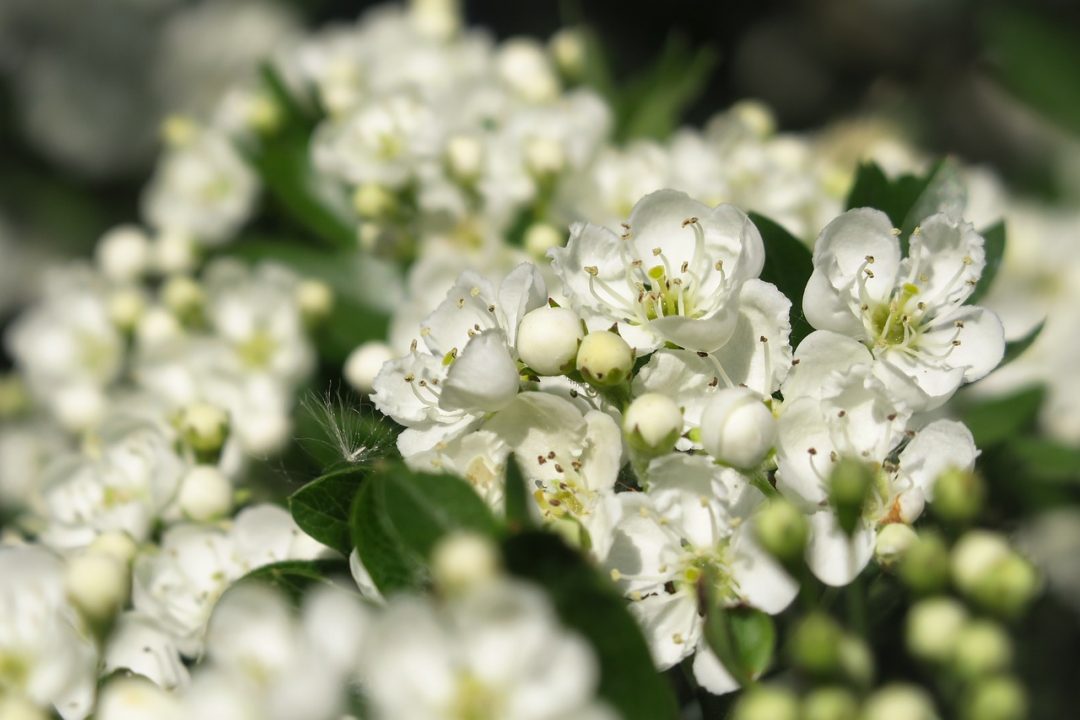
Have you ever wondered, “What is the state flower of Missouri?” Well, the answer is the white hawthorn blossom! Its beauty, abundance, and connection to Missouri’s natural environment made it the perfect choice to represent this State. The hawthorn is a spring-blooming flower that has been part of the state’s identity for more than a century. Known for its clusters of delicate white flowers and thorny branches, the hawthorn grows throughout Missouri’s woodlands, fields, and rural landscapes. Every spring, these trees cover the countryside with fragrant blooms that signal the arrival of warmer weather.
Whether you’re exploring native plants or searching for inspiration for your garden, the hawthorn has a fascinating history and unique characteristics worth learning about. If you’re interested in blooms from across the country, browse our full list of state flowers, or arrange a thoughtful flower delivery for someone special.
History of the Missouri State Flower
The hawthorn belongs to the genus Crataegus, which includes hundreds of species of small trees and shrubs found throughout North America, Europe, and Asia. Missouri is home to more than a dozen native hawthorn species, making the tree a familiar sight across the state. The blossoms appear in early to mid-spring as clusters of five-petaled white flowers, often with soft pink stamens. After flowering, the tree produces small red fruits called haws, which provide an important food source for birds and other wildlife during the fall and winter.
For generations, Native American tribes and early settlers recognized the value of hawthorn trees. The fruits were used in traditional foods and herbal remedies, while the dense branches created natural shelter for birds and small mammals. Today, hawthorn remains an important native tree that supports biodiversity throughout Missouri. According to the Missouri Secretary of State and State Symbols USA, the white hawthorn blossom represents the rich diversity of native hawthorn species found across the state.
When and Why the Hawthorn Was Chosen as the State Flower
The state flower of Missouri was officially designated in 1923 after a statewide effort involving schoolchildren. Students across Missouri voted for the flower they believed best represented their home state, and the hawthorn blossom received overwhelming support. The Missouri General Assembly later approved the recommendation, officially recognizing the white hawthorn blossom as the Missouri state flower.
Several qualities made the hawthorn an ideal symbol:
- It is native throughout Missouri.
- Its spring blossoms create beautiful displays across forests and countryside.
- The tree is hardy and well adapted to the state’s climate.
- It supports local wildlife through nectar-rich flowers and nutritious berries.
More than 100 years later, the Missouri state flower continues to represent resilience, natural beauty, and the state’s rich ecological heritage.
Fun Facts About the Missouri State Flower
The hawthorn offers much more than attractive spring flowers. Here are a few interesting facts about Missouri’s official bloom.
Missouri Has Many Native Hawthorn Species
Although the state flower is known simply as the white hawthorn blossom, Missouri contains numerous native hawthorn species. Their flowers appear similar, with small white blooms arranged in clusters.
Hawthorn Trees Produce Colorful Berries
After blooming, hawthorn trees develop bright red fruits called haws. These berries attract songbirds, wild turkeys, cedar waxwings, and other wildlife during colder months.
The Blossoms Are Popular With Pollinators
Bees, butterflies, and other beneficial insects rely on hawthorn flowers as an early spring nectar source, making these trees valuable additions to native landscapes.
Hawthorn Flowers Are Usually White
Most Missouri hawthorn blossoms are bright white, although some species produce flowers with light pink hues. Their blossoms typically bloom between April and May depending on weather conditions.
Hawthorn Has a Long History in Herbal Medicine
For centuries, hawthorn fruits, flowers, and leaves have been used in traditional herbal practices. Today, researchers continue studying compounds found within the plant. However, medicinal use should always be discussed with a qualified healthcare professional.
If you enjoy learning about state symbols, you might also like to learn about the New Hampshire state flower and see how different native blooms represent each state’s history and landscape.
Growing and Caring for Hawthorn Trees
Although many people admire hawthorn in the wild, these attractive trees also make excellent landscape additions for homeowners interested in native plants.
Sun
Hawthorn performs best in full sun, receiving at least six hours of direct sunlight each day.
Soil
The tree grows well in well-drained soil and adapts to clay, loam, or sandy conditions. While it tolerates a range of soil types, good drainage helps prevent root problems.
Water
Young trees benefit from regular watering during establishment. Mature hawthorns become relatively drought-tolerant, although supplemental watering during prolonged dry periods supports healthy flowering.
USDA Hardiness Zones
Most native hawthorn species thrive in USDA Hardiness Zones 4 through 8, making them suitable for much of the Midwest and eastern United States.
Maintenance
Minimal pruning is needed beyond removing damaged or crossing branches during dormancy. Because many species have sharp thorns, gloves and protective clothing are recommended when working around the tree.
Learn More About State Flowers with The Bouqs Co.
The Missouri state flower remains one of the state’s most recognizable native plants. From its historic selection by Missouri schoolchildren to its role in supporting pollinators and wildlife, the hawthorn continues to symbolize the beauty and resilience of Missouri’s natural landscapes. Whether you encounter blooming hawthorns along country roads or plant one in your own yard, these elegant spring blossoms offer a lasting reminder of the state’s rich botanical heritage.
Shop All

