
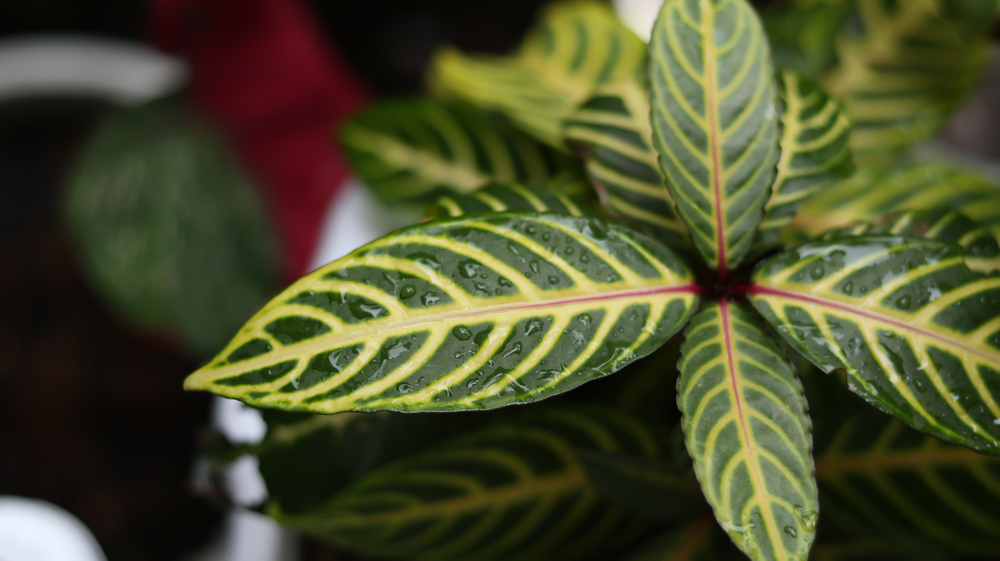
The zebra plant, known botanically as Aphelandra squarrosa, stands out for bold foliage and striking yellow bracts. Dark green leaves feature bright white veins, which create the striped look behind the common name. This guide explains zebra plant care in detail, from indoor placement to long-term maintenance. The goal is to help you understand how to care for a zebra plant with clear steps you can apply at home.
The zebra plant is native to southeastern Brazil, specifically the Atlantic Forest region, one of the most biodiverse tropical ecosystems in the world. This region stretches along Brazil’s eastern coast and features warm temperatures, high rainfall, and consistently elevated humidity levels throughout the year.
In its native habitat, the zebra plant grows beneath the forest canopy rather than in open sun. Taller trees filter sunlight, which explains the plant’s preference for bright but indirect light indoors. Direct exposure to harsh sun rarely occurs in the wild, and leaves remain protected from scorching by layered vegetation above. Zebra plants often grow along forest edges and shaded clearings where airflow remains gentle, and temperatures stay stable. Average temperatures in these regions range between 65 and 85 degrees Fahrenheit year-round. Sudden cold exposure remains rare in the wild, which explains the plant’s sensitivity to drafts and temperature drops indoors.
Humidity levels in the Atlantic Forest frequently exceed 70 percent. Zebra plants evolved broad, glossy leaves to efficiently absorb moisture from humid air. When grown indoors, dry conditions interfere with this process and lead to leaf curl, browning edges, or pest pressure. Replicating this natural humidity plays a central role in successful zebra plant care.
Understanding the Zebra Plant
Zebra plants belong to the Acanthaceae family. Indoors, most plants reach one to two feet tall. The plant grows upright, with thick stems and glossy leaves. Flowering usually occurs in late summer or early fall when conditions remain stable.
Zebra plant care requires attention to humidity and watering patterns. Many issues trace back to dry air or inconsistent moisture. With the right setup, caring for zebra plants becomes predictable and manageable.
How to Cut a Zebra Plant
Zebra plants rarely appear as cut flowers, yet their blooms sometimes arrive already formed when purchased as potted plants. Early handling affects bloom longevity.
After unboxing, remove any damaged leaves or packaging. Place the plant in bright, indirect light and keep soil lightly moist. Avoid sudden temperature changes, which stress developing bracts. Consistent care during the first week supports longer lasting color.
Indoor plants shipped through professional plant delivery services typically acclimate faster due to controlled handling and temperature management. You can explore available options through our plant delivery selection to source healthy specimens grown under proper conditions.
Caring for Zebra Plants in Gardens
Zebra plants grow outdoors only in warm climates, typically USDA zones 11 and above. Most gardeners grow them indoors or treat them as seasonal patio plants.
Best Time to Plant a Zebra Plant
Plant zebra plants outdoors after nighttime temperatures stay above 65 degrees Fahrenheit. Cold exposure damages leaves and halts growth.
Where to Plant and Sunlight Needs
Zebra plants prefer bright, indirect light. Outdoors, place them in partial shade or beneath filtered tree cover, because direct midday sun scorches leaves and fades variegation.
Indoors, an east-facing window or a few feet back from a south-facing window works well. Rotate the plant every few weeks to maintain even growth.
When to Water a Zebra Plant
Water when the top inch of soil feels dry. Use room temperature water and soak thoroughly until excess drains out, but never allow the pot to sit in standing water.
Zebra plant care depends on consistent moisture. Dry cycles lead to leaf drop, while soggy soil causes root decline.
Common Pests and Diseases for Zebra Plants
Common pests include spider mites, aphids, and mealybugs. Dry indoor air increases pest risk. Wipe leaves regularly with a damp cloth to remove dust and insects.
Root rot presents the most frequent disease issue. Well draining soil and drainage holes prevent this problem. Fungal leaf spots develop under poor airflow or wet foliage.
Complementary Plants
Zebra plants pair well with other humidity-loving houseplants such as calatheas, peace lilies, and ferns. Grouping plants raises ambient humidity naturally. If you enjoy caring for tropical foliage, resources like the Fatsia plant care guide and caring for kalanchoe plants offer useful comparisons across plant types.
Growing Zebra Plants in Containers
Container growing suits zebra plants due to climate sensitivity. Indoor control over light, humidity, and temperature supports long term success. Choose containers with drainage holes. Clay pots wick moisture and help prevent overwatering, though plastic pots retain moisture longer and suit dry homes. Decorative cache pots work well if the inner pot drains freely.
Use a loose, organic potting mix with added perlite or orchid bark. This structure supports airflow around roots. Repot every one to two years, ideally in spring, to refresh soil and accommodate growth.
Humidity remains a top priority. Aim for humidity levels above 60 percent. Use pebble trays, humidifiers, or plant groupings to maintain moisture in the air.
Varieties of the Zebra Plant
Aphelandra squarrosa remains the most common zebra plant grown indoors. Several cultivated selections vary slightly in leaf size and vein contrast.
Some varieties produce broader leaves with thicker white veins. Others display more compact growth, which suits small spaces. Flower bract size and duration also vary based on genetics and care consistency.
True zebra plants differ from Haworthia zebra succulents, which share the striped name but require dry conditions. Mixing care approaches between these unrelated plants leads to decline.
Fertilizing and Pruning
Feed zebra plants every two to four weeks during active growth using a balanced, diluted liquid fertilizer. Avoid feeding during winter dormancy, when growth slows.
Prune lightly to maintain shape and remove spent flower bracts. Cut back leggy stems in spring to encourage fuller growth. Always use clean tools to prevent disease spread.
Encouraging Blooms
Flowering depends on light consistency and plant maturity. Zebra plants bloom once stems reach sufficient strength and length. Bright, indirect light and steady care increase bloom likelihood. After flowering, the bracts fade gradually. Remove spent bracts once color declines. Continued leaf growth indicates plant health even outside bloom periods.
Fun Facts About Zebra Plants
Zebra plants earned their name from leaf patterning rather than flower color. The bright yellow bracts function as modified leaves, not petals. In native habitats, these bracts attract pollinators within dense forest understories.
Zebra plants also respond quickly to environmental changes. Leaf drooping often signals thirst, while leaf yellowing points to excess water.
Troubleshooting Common Problems
Leaf drop often results from cold drafts or dry air. Move the plant away from vents and exterior doors. Increase humidity and stabilize temperatures.
Brown leaf edges indicate low humidity or salt buildup from fertilizer, flush soil occasionally with distilled water to remove residue.
Wilting with wet soil signals root stress. Improve drainage and reduce watering frequency.
Now, Take Great Care of Your Zebra Plant
Zebra plant care centers on balance. Warmth, humidity, bright filtered light, and steady moisture mirror the plant’s native environment. Once those conditions stay consistent, caring for zebra plants becomes straightforward.
If you follow these steps on how to care for a zebra plant, you support healthy foliage and increase the chance of seasonal blooms. For plant lovers expanding indoor collections, understanding zebra plant care also builds skills transferable to other tropical houseplants.
Shop All

