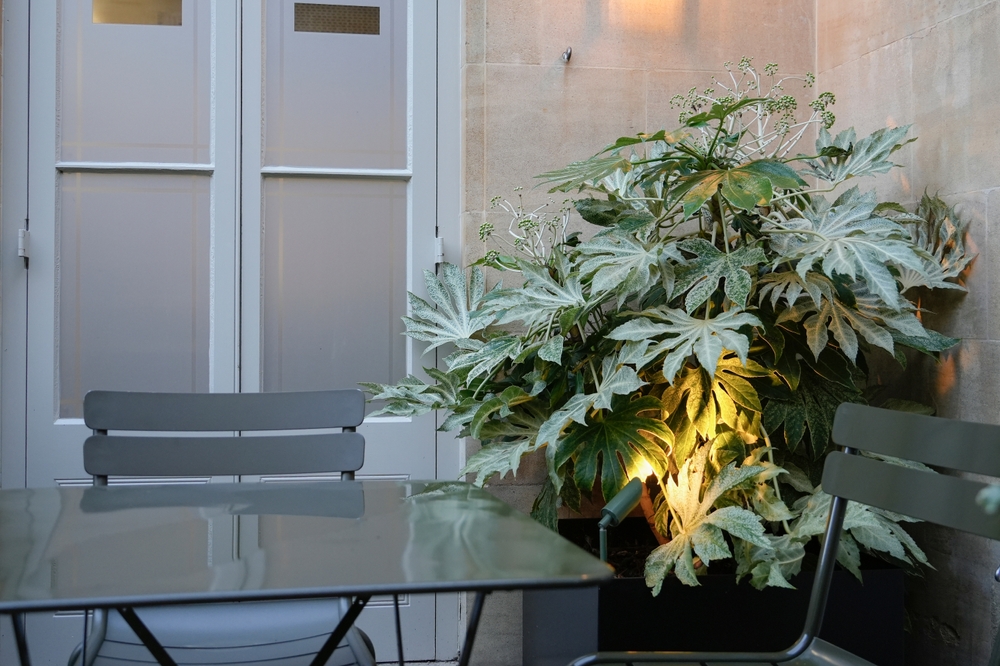
Fatsia japonica brings bold texture and glossy green foliage to homes and gardens. This evergreen shrub, native to Japan, Korea, and Taiwan, features large palmate leaves and a strong upright form. Gardeners value this plant for its shade tolerance and steady growth in mild climates. This guide explains how to support the long-term health of this plant with clear steps you can apply at home. You will learn the basics of fatsia care, including garden and container care, as well as tips for indoor enjoyment.
Understanding the Fatsia Plant
Fatsia japonica belongs to the Araliaceae family, the same family as ivy and schefflera. Mature plants often reach 6 to 10 feet outdoors, with a similar spread, while indoor specimens stay smaller with regular pruning. The leaves grow up to 16 inches wide, creating a dramatic tropical look without high maintenance demands.
According to the Royal Horticultural Society, fatsia thrives in mild regions and handles shade better than many broadleaf evergreens, which explains strong performance in coastal gardens and shaded courtyards.
Cut Fatsia Leaf Care
Fatsia leaves often appear in floral arrangements due to their strong structure and long vase life. Proper handling preserves color and firmness.
Start by trimming stems at a diagonal with clean shears, then remove foliage below the water line to limit bacteria growth. Place stems in cool water right away and change water every two days and recut stems each time.
Store arrangements away from direct sun and heat sources, while cooler rooms slow moisture loss. These steps mirror best practices we use for shipping florals and plant delivery at The Bouqs Co. If leaves show early droop, submerge stems in room temperature water for thirty minutes. This method restores hydration without stressing tissue.
Caring for Fatsia Japonica in Gardens
When to Plant Fatsia Japonica
Plant fatsia in spring or early fall. Mild temperatures support root establishment before summer heat or winter cold. The Spruce reports improved survival rates with spring planting in most regions.
Where to Plant Fatsia: Sunlight Needs
Fatsia prefers partial shade to full shade, with morning sun and afternoon shade working well. Full sun exposure leads to leaf scorch, especially in warm climates. Choose a sheltered location protected from strong winds, which tear large leaves.
When to Water Fatsia Plants
Consistent moisture supports leaf size and color, so water deeply once the top inch of soil feels dry. However, make sure to avoid saturated soil, which leads to root stress. Mulch can also help regulate moisture and soil temperature.
Common Pests and Diseases
Spider mites, scale insects, and aphids affect stressed plants, especially indoors. Regular leaf inspection helps early control, while wiping leaves with a damp cloth or apply insecticidal soap can help with plant health as needed.
Root rot appears in poorly drained soil. Yellowing leaves and soft stems signal trouble. Improve drainage and reduce watering frequency to correct conditions.
Complementary Plants
Shade-loving companions such as hostas, ferns, and hellebores pair well with fatsia outdoors. Indoors, pairing with plants featured in the arrowhead plant care guide creates visual balance due to similar light needs. Mixing foliage shapes adds contrast without competing for resources.
Growing Fatsia Japonica in Containers
Container growing suits patios, balconies, and indoor spaces. Select a pot with drainage holes and a high quality potting mix with added perlite. Repot every two to three years to refresh soil and manage size.
Clay pots help regulate moisture but dry faster. Plastic pots retain water longer and suit drier homes. Decorative planter boxes work for outdoor patios when drainage remains adequate. Window planters support young plants in shaded exposures.
We recommend you water plants in containers more often than you would in garden beds, as soil dries faster in confined spaces. Feed your plant with a balanced liquid fertilizer during spring and summer, and reduce feeding during fall and winter.
Indoor placement near bright indirect light supports steady growth. Rotate the container monthly to encourage even leaf development. Fatsia adapts well indoors, similar to techniques used when caring for coffee plants in low-light spaces.
Fatsia Care Indoors
Indoor Fatsia care focuses on light balance and humidity. It’s recommended you place these plants near north or east facing windows, and avoid direct midday sun. Maintaining room temperatures between 60 and 75 degrees Fahrenheit is suggested, because sudden temperature swings can stress foliage. Average household humidity works, though occasional misting supports leaf health during dry seasons. Dust accumulation can block light absorption, so you should also clean leaves monthly with a soft damp cloth. This simple step improves appearance and photosynthesis.
How to Care for a Fatsia Plant Long Term
Pruning keeps the plant’s shape tidy and controls height. Trim leggy stems in spring. New growth emerges from cut points. Fatsia plant care also involves patience. Growth stays steady rather than fast. Avoid frequent relocation, since environmental stability supports leaf retention. Seasonal leaf drop occurs during stress from cold drafts or overwatering. Adjust care rather than replacing the plant. Most issues resolve once conditions stabilize.
Varieties of the Fatsia Plant
Several cultivated forms of Fatsia provide distinct visual appeal while sharing the same foundational care needs. Leaf pattern, growth habit, and light tolerance vary slightly across types, which helps you choose the right option for your space.
Fatsia japonica Variegata stands out for large, glossy leaves edged in creamy white. The variegation reflects more light than solid green foliage, which helps brighten low light interiors or shaded garden areas. Growth tends to progress at a slower pace since variegated leaves hold less chlorophyll than green leaves. Bright, indirect light supports stronger color contrast and prevents fading. The Royal Horticultural Society lists this variety as suitable for sheltered outdoor planting in mild climates and as a houseplant in cooler regions. Fatsia japonica Spider’s Web features dark green leaves covered in fine white speckling, giving a frosted appearance. This pattern develops best under stable indoor conditions with consistent temperatures and indirect light. The plant keeps a compact shape compared to standard Fatsia japonica, which supports use on floors or large tabletops. Missouri Botanical Garden notes Spider’s Web as a slower growing selection with strong ornamental value for interiors.
Fatshedera lizei results from a cross between Fatsia japonica and Hedera helix, English ivy. This hybrid combines broad, lobed leaves with a climbing or trailing growth habit. Support structures such as trellises encourage vertical growth, while hanging containers allow stems to cascade. NC State Extension identifies this plant as adaptable to indoor use with bright, filtered light and consistent moisture. All varieties respond well to the same core care approach, which includes well-draining soil, steady moisture, and protection from harsh direct sun. Light adjustments matter most for variegated and speckled forms, since stronger indirect light helps maintain leaf pattern clarity over time.
Native Locations and Fatsia Fun Facts
Fatsia originates from forested regions of Japan and Taiwan, where plants grow under tree canopies with filtered light. Autumn brings small white flower clusters followed by dark berries, which attract birds outdoors. Despite its tropical appearance, fatsia tolerates light frost once established. Gardeners in USDA zones 7 through 10 report strong winter survival with protection.
Bringing Fatsia Into Your Space
Fatsia delivers bold foliage with manageable upkeep. Whether placed in shaded gardens or styled indoors, success depends on consistent moisture, indirect light, and patience. With thoughtful placement and routine care, this plant rewards you with year-round greenery. Explore Bouqs’ options for plant delivery and discover foliage plants suited for your home or garden.
Shop All