
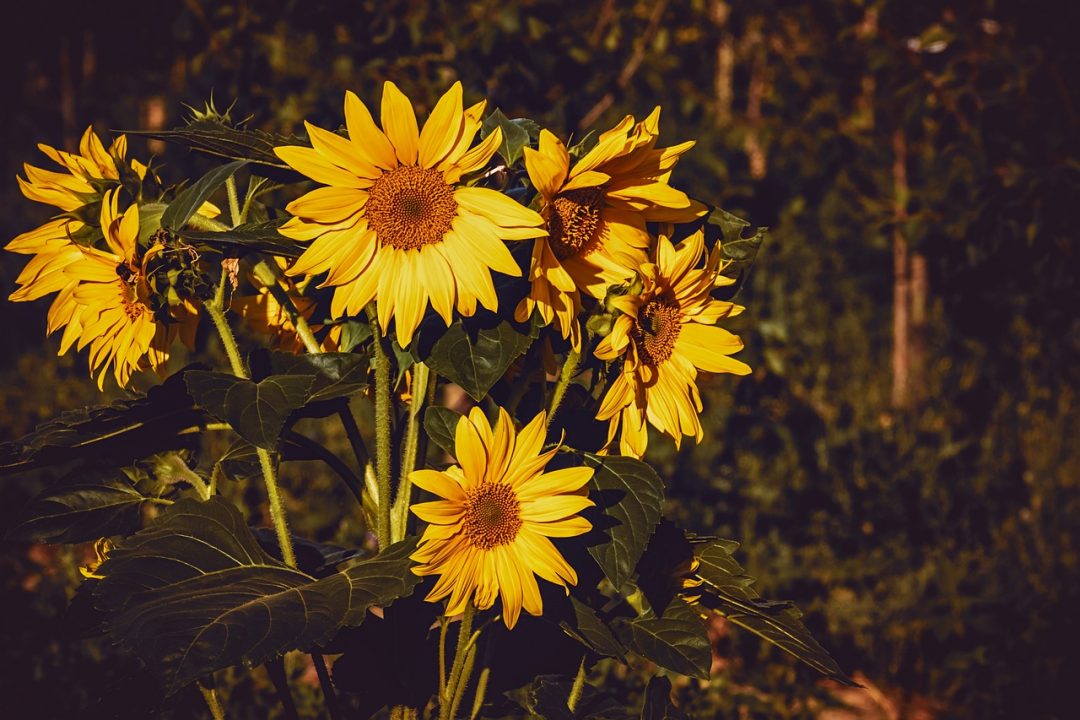
The sunflower stands as a defining symbol of Kansas. Tall stems, broad green leaves, and bright yellow petals reflect the open plains and agricultural roots of the state. This guide explains the history, meaning, and growing habits of the sunflower, Kansas’ state flower, with practical details for gardeners and flower lovers alike. Readers seeking seasonal flower delivery across the US often choose sunflowers for the same reasons Kansas embraced this bloom: strength, warmth, and visual impact.
History of the Kansas State Flower
Sunflowers grew across the Great Plains long before Kansas entered the Union. Native American tribes, including the Wichita and Pawnee, cultivated sunflowers for food, oil, dye, and medicinal use. Seeds provided protein and healthy fats, while petals and pollen served ceremonial and decorative purposes. Archaeological evidence places sunflower cultivation in the region more than 4,000 years ago, according to the National Sunflower Association and Kansas State University Extension.
European settlers later adopted sunflower farming due to the plant’s adaptability to prairie conditions. Deep roots supported growth in open, windy landscapes, while strong stems tolerated summer heat. Fields of sunflowers soon became a common sight across Kansas farmland, reinforcing the connection between the flower and the state’s identity.
When and Why the Sunflower Was Chosen
Kansas officially designated the sunflower as the state flower in 1903. State legislators selected the bloom due to widespread growth across Kansas and strong ties to local agriculture and history. The choice honored both Native American heritage and modern farming traditions.
For anyone asking, what is the state flower of Kansas? The answer reflects more than appearance. The sunflower symbolized resilience, optimism, and productivity. Those qualities aligned closely with Kansas values at the turn of the twentieth century. Today, the sunflower appears on state license plates, flags, public art, and tourism materials, reinforcing the role as the state flower of Kansas.
Kansas residents often refer to Kansas as the Sunflower State. This nickname developed from the same historical roots as the Kansas state flower designation and continues to shape the state’s public image.
Fun Facts and Blooming Details
Sunflowers belong to the genus Helianthus, a name derived from Greek words meaning sun and flower. Each sunflower head consists of hundreds or thousands of small florets, not a single bloom. Disk florets form the center, while ray florets create the familiar yellow ring.
Common sunflower colors include yellow, gold, orange, red, and bronze. Some cultivated varieties display creamy white or deep burgundy petals. Popular types include Mammoth Sunflower, Velvet Queen, Autumn Beauty, and Lemon Queen. Kansas growers often favor tall varieties suited for open fields, though compact forms work well in home gardens.
Sunflowers typically bloom from mid summer through early fall. Bloom time depends on planting date and variety. Many Kansas growers sow seeds after the final spring frost to support strong summer growth. Pollinators such as bees and butterflies rely on sunflower pollen and nectar, supporting local ecosystems.
Cut sunflowers remain popular for gifts and home decor. Many people choose to send sunflowers during late summer due to long vase life and bold color. Sunflowers pair well with neutral greens and accent blooms, creating arrangements with visual balance and seasonal relevance.
For readers interested in broader botanical symbolism, Bouqs offers a full list of state flowers covering all fifty states. Readers curious about regional floral differences may also enjoy learning about the Montana Island state flower through the guide to learn about the Montana Island state flower.
Sunflower Growing and Care Information
Sunflowers grow well across most of Kansas due to climate compatibility and soil diversity. Gardeners benefit from simple care requirements and strong growth habits.
Soil:
Sunflowers prefer well drained soil with moderate fertility. Sandy loam and loam soils support strong root development. Soil pH between 6.0 and 7.5 supports healthy growth.
Sun:
Full sun exposure supports tall stems and large flower heads. At least six to eight hours of direct sunlight per day produces optimal results.
Water:
Young plants require consistent moisture during early growth. Mature sunflowers tolerate short dry periods due to deep taproots. Overwatering leads to weak stems and reduced blooms.
Spacing:
Large varieties need twelve to twenty four inches between plants. Smaller varieties thrive with closer spacing. Proper airflow reduces disease risk.
Zones:
Sunflowers grow well in USDA hardiness zones 2 through 11. Kansas falls primarily within zones 5 and 6, ideal for annual sunflower growth.
Kansas State University Extension recommends direct seeding outdoors after soil temperatures reach at least 50 degrees Fahrenheit. Seeds germinate within seven to ten days under proper conditions. Support may benefit tall varieties exposed to strong prairie winds.
Gardeners growing sunflowers for cut flowers should harvest early in the morning once petals begin to open. Clean water and fresh cuts extend vase life. Commercial growers across Kansas rely on these practices to maintain quality during transport and retail display.
Cultural Meaning and Modern Use
The Kansas state flower continues to hold cultural importance across the state. Schools, festivals, and community events feature sunflower imagery. The flower also plays a role in Kansas agriculture through seed and oil production, contributing to local and national markets.
Sunflowers represent warmth, loyalty, and endurance in floral symbolism. These associations align closely with Kansas history and values. Florists often recommend sunflowers for celebrations, expressions of appreciation, and seasonal gifts. Bouqs offers nationwide access to sunflower arrangements through reliable flower sourcing and delivery networks.
Closing Thoughts
The sunflower earned recognition as the Kansas state flower through centuries of cultural, agricultural, and environmental connection. From Native American cultivation to modern farming and design, the sunflower remains deeply linked to Kansas identity. Gardeners, historians, and flower enthusiasts continue to celebrate the sunflower for beauty, strength, and meaning.
Shop All

