
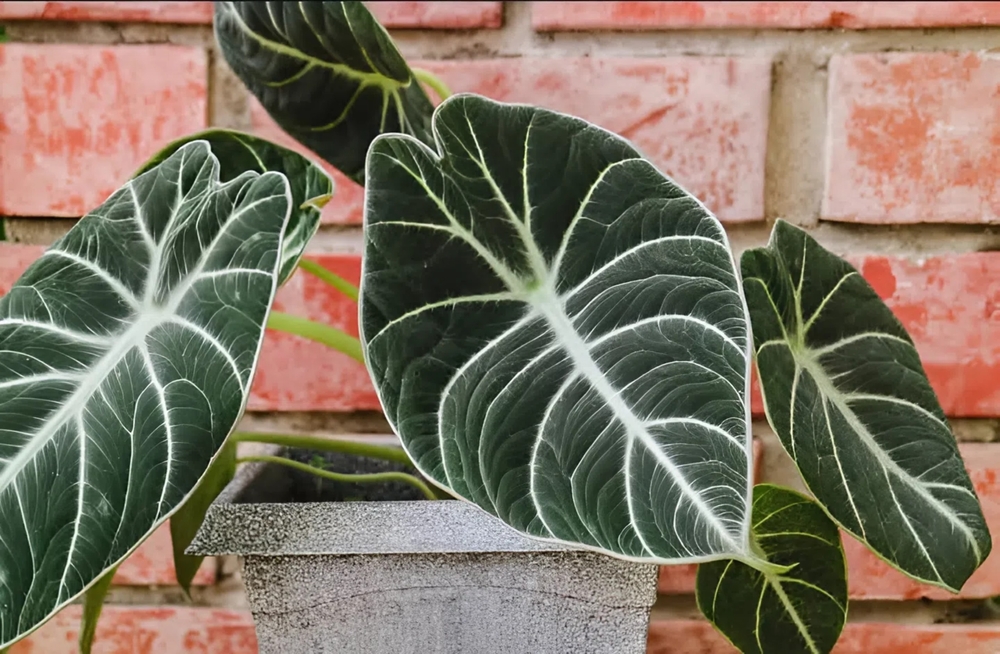
Alocasia plants bring bold tropical style into your home with their dramatic leaves, striking patterns, and sculptural shape. Often called Elephant Ear plants because of their oversized foliage, Alocasias stand out in living rooms, offices, patios, and indoor plant collections. Their glossy leaves and unique veining make them a favorite among plant lovers who want a statement piece with lush greenery.
While these plants look exotic, successful Alocasia plant care comes down to understanding a few important needs, including humidity, light, watering, and soil conditions. Once you learn the basics, your alocasia plant has strong potential to thrive year-round indoors or outdoors in warm climates. Whether you’re a first-time plant owner or an experienced collector, this guide covers everything you need to know about Alocasia care, including watering schedules, sunlight requirements, common pests, container growing tips, and popular varieties.
What Is an Alocasia Plant?
Alocasia plants belong to the Araceae family and are native to tropical and subtropical regions across Asia and Eastern Australia. These plants are known for their oversized arrow-shaped or heart-shaped leaves, thick stems, and eye-catching leaf textures. Wide varieties feature deep green foliage with white veins, dark purple undersides, or metallic finishes. Their bold appearance makes them one of the most popular tropical houseplants available today.
According to the experts at the Missouri Botanical Garden and Proven Winners, alocasias prefer warm temperatures, high humidity, and consistently moist soil to support healthy growth. For more indoor plant inspiration, explore our selection of plant delivery options.
How to Care for an Alocasia Plant
Learning how to care for an Alocasia plant starts with recreating its tropical environment. These plants prefer warmth, humidity, bright filtered light, and steady moisture. Below you will find a complete guide on how to care for your Alcasia plant under every circumstance.
Sunlight Needs for an Alocasia Plant
Alocasias grow best in bright, indirect sunlight. Place your plant near an east-facing or north-facing window where it receives filtered light throughout the day. Too much direct sun can scorch the leaves, while low light slows growth and causes drooping.
If you notice fading leaves or browning edges, your plant may receive too much sunlight. If stems stretch or lean heavily toward the window, your plant likely needs more light. Outdoor alocasias grow well in partial shade, especially in warmer regions where harsh afternoon sun damages foliage.
Watering Your Alocasia
Consistent moisture is one of the most important parts of Alocasia plant care. Water your plant when the top one to two inches of soil feel dry. The soil should stay lightly moist but never soggy, as overwatering often causes root rot, yellow leaves, and fungal problems. Under-watering causes drooping, curling leaves, and crispy edges.
During spring and summer, alocasias usually need more frequent watering because they actively grow. In winter, growth slows, so reduce watering slightly while still preventing the soil from drying out completely. Humidity also plays a major role in Alocasia care. Most varieties prefer humidity levels above 60%. Dry indoor air often leads to browning leaf edges.
You can increase humidity by:
- Using a humidifier
- Grouping tropical plants together
- Placing a pebble tray under the container
- Misting lightly around the plant
Alocasias need rich, well-draining soil that holds moisture without becoming compacted. A quality indoor potting mix combined with perlite, bark, or coco coir works well. Good drainage prevents root rot and helps oxygen reach the roots. Avoid heavy garden soil or dense mixes that trap water.
Temperature Preferences
These tropical plants prefer temperatures between 65°F and 85°F. Keep them away from cold drafts, air conditioning vents, and sudden temperature swings. Temperatures below 60°F often trigger stress or dormancy.
Fertilizing
Feed your alocasia every 4 to 6 weeks during spring and summer using a balanced liquid houseplant fertilizer diluted to half strength. Avoid overfertilizing, since excess salts damage the roots and leaves.
Common Problems in Alocasia Plant Care
Even healthy plants occasionally struggle with environmental stress. Understanding the most common issues helps you quickly correct problems before they worsen.
Yellow Leaves
Yellow leaves often result from overwatering or poor drainage. Check the soil moisture and confirm the pot has drainage holes.
Brown Leaf Edges
Dry air, inconsistent watering, or excess direct sunlight commonly cause crispy brown edges.
Drooping Leaves
Drooping leaves usually indicate underwatering, temperature stress, or root problems. Review your watering schedule and inspect the roots if symptoms continue.
Pests and Diseases
Spider mites, mealybugs, fungus gnats, and aphids are common pests that affect alocasias. Regularly inspect the undersides of leaves and wipe foliage clean with a damp cloth. Neem oil or insecticidal soap often helps control infestations naturally. Root rot remains one of the most serious diseases affecting alocasias. Proper drainage and careful watering help prevent fungal issues.
For additional plant maintenance tips, we also offer helpful resources on caring for stromanthe plants and the calibrachoa plant care guide.
Growing Alocasia Plants in Containers
Container growing works especially well for alocasias because you can better manage their moisture, lighting, and humidity needs indoors.
Choosing the Right Container
The best containers for alocasias provide strong drainage while complementing the plant’s dramatic appearance.
Popular container options include:
- Clay pots for improved airflow and moisture control
- Ceramic planters for decorative indoor displays
- Plastic nursery pots for moisture retention
- Modern planter boxes for large varieties
- Elevated indoor planters for better air circulation
Always choose a container with drainage holes to reduce the risk of root rot.
Repotting Alocasias
Alocasias prefer slightly snug root systems but still need repotting every one to two years as they grow. Repot during spring when the plant actively produces new growth. Choose a container only slightly larger than the previous pot to avoid excess moisture buildup in oversized pots.
Caring for Alocasia Plants Outdoors
In warm climates, alocasias grow beautifully outdoors in shaded patios, tropical gardens, and landscaped beds.
When to Plant
Plant alocasias outdoors during spring after temperatures consistently stay above 60°F.
Where to Plant
Choose a location with bright shade or filtered sunlight. Morning sun works well, but harsh afternoon sunlight often damages the leaves.
Watering Outdoors
Outdoor alocasias usually need more water during hot weather. Check soil moisture regularly and avoid letting the soil dry completely.
Mulching around the base helps retain moisture and stabilize soil temperatures.
Companion Plants
Alocasias pair well with other tropical and shade-loving plants, including:
- Ferns
- Caladiums
- Hostas
- Philodendrons
- Stromanthe
- Snake plants
These combinations create layered textures and lush tropical garden designs.
Cut Leaf Care for Alocasia Foliage
While alocasias are primarily grown as living plants, their dramatic foliage also works beautifully in floral arrangements and tropical displays.
To keep cut alocasia leaves fresh longer:
- Trim stems at an angle before placing them in water
- Use clean containers to reduce bacteria
- Replace water every few days
- Keep arrangements away from direct heat and sunlight
- Remove damaged leaves promptly
Cool indoor temperatures and fresh water help preserve large tropical leaves for decorative use.
Popular Alocasia Varieties
There are many stunning varieties available, each with unique foliage patterns and colors.
Alocasia Polly
One of the most recognizable varieties, Alocasia Polly features dark green leaves with bright white veins and compact growth.
Alocasia Amazonica
Known for its dramatic contrast and glossy texture, this variety remains a favorite among indoor plant collectors.
Alocasia Zebrina
Alocasia Zebrina stands out because of its striped zebra-pattern stems and oversized leaves.
Alocasia Black Velvet
This smaller variety produces velvety dark leaves with silver veining, making it popular for indoor shelves and desktops.
Alocasia Regal Shield
A larger variety with broad deep green foliage and purple undersides, Regal Shield creates a bold statement indoors or outdoors.
Fun Facts About Alocasia Plants
- Alocasias belong to the same family as philodendrons and monsteras.
- Some varieties grow several feet tall indoors.
- Their nickname “Elephant Ear” comes from the shape and size of their leaves.
- Many species naturally grow on tropical forest floors beneath filtered tree canopies.
- Alocasias enter dormancy more often than many common houseplants during cooler seasons.
Final Thoughts on Alocasia Care
With the right environment, caring for Alocasia plants becomes much easier than many people expect. These tropical plants reward consistent care with bold foliage, rapid growth, and striking indoor beauty. Focus on bright indirect light, steady moisture, warm temperatures, and high humidity for the best results. Whether you grow one compact variety indoors or build a lush tropical collection, proper Alocasia plant care helps your plant stay healthy and vibrant throughout the year. For more plant inspiration, plant gifts, and indoor greenery, browse Bouqs’ full collection of tropical plants and indoor favorites.
Shop All

