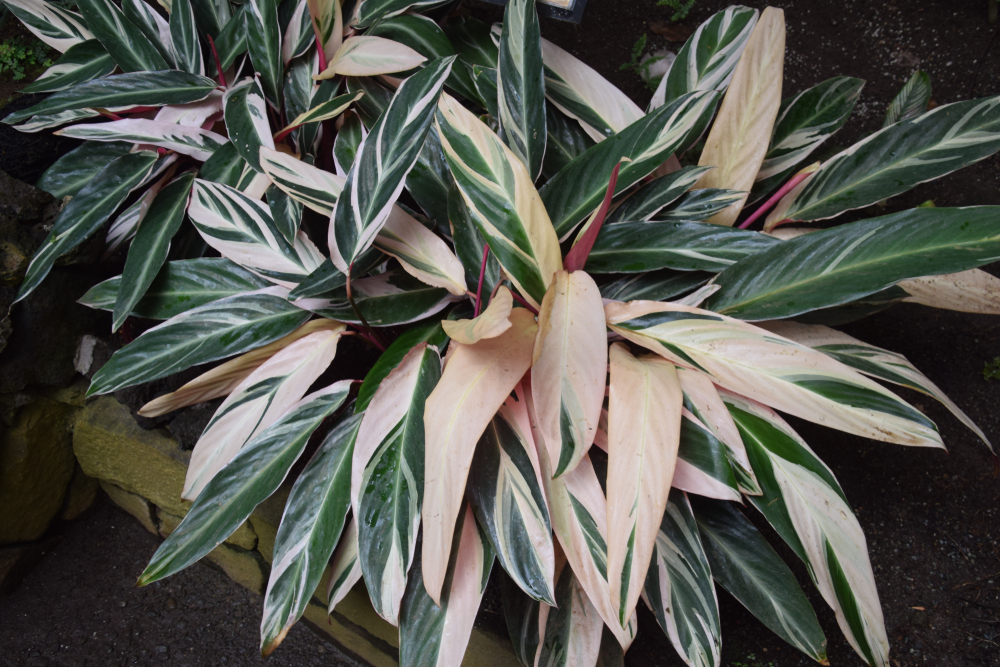
Stromanthe plants stand out for their bold, patterned leaves and vibrant color contrast. Their foliage often blends shades of green, cream, and pink, which makes them a favorite for indoor plant lovers who want something eye-catching. If you want to keep yours thriving, this guide covers everything you need to know about stromanthe plant care, from light and watering to common issues and growing tips.
What Is a Stromanthe Plant?
Stromanthe belongs to the Marantaceae family, which includes prayer plants and calatheas. These plants move their leaves throughout the day, opening in the light and folding at night. This natural movement helps them manage light exposure and moisture.
Native to tropical regions in South America, stromanthe plants grow in warm, humid environments. To succeed with stromanthe care, you need to recreate those conditions as closely as possible in your home. For deeper botanical context, you can review the Missouri Botanical Garden page.
How to Care for a Stromanthe Plant
If you want consistent growth and vibrant leaves, focus on these core care areas:
Light Requirements
Stromanthe plants prefer bright, indirect light. Direct sunlight burns their leaves, which leads to brown patches and faded color. Place your plant near a window with filtered light or behind sheer curtains. Low light slows growth and reduces the intensity of the leaf colors. If your plant starts losing its pink tones, increase light exposure slightly.
Watering Needs
Water your stromanthe when the top inch of soil feels dry. Keep the soil consistently moist but never soggy. Overwatering leads to root rot, which is one of the most common problems. Use filtered or distilled water when possible. Stromanthe plants react to minerals and chemicals in tap water, which causes browning leaf edges.
Humidity and Temperature
Humidity plays a major role in stromanthe plant care. Aim for at least 60 percent humidity. Dry air leads to curling leaves and brown tips.
You can increase humidity by:
- Using a humidifier
- Placing the plant on a pebble tray with water
- Grouping plants together
Keep temperatures between 65°F and 80°F. Avoid drafts, air conditioning vents, and sudden temperature changes.
Soil and Fertilizer
Use a well-draining soil mix. A blend of potting soil, peat, and perlite works well. This allows moisture retention without waterlogging. Feed your plant once a month during spring and summer with a balanced liquid fertilizer diluted to half strength. Skip feeding during fall and winter when growth slows.
Common Problems and Solutions
Even with consistent care, your Stromanthe may show signs of stress. Most issues link back to water quality, humidity, light, or temperature. Use the tips below to diagnose and fix problems quickly.
Brown Leaf Edges
This often signals low humidity or mineral buildup in tap water. Stromanthe plants prefer humidity above 50 percent. Dry indoor air, especially from AC or heaters, causes crisp edges. Increase humidity with a humidifier, group plants together, or place the pot on a pebble tray with water. If your tap water contains chlorine or hard minerals, switch to filtered or distilled water. Flush the soil once a month to remove salt buildup.
Yellow Leaves
Overwatering is the most common cause. Soggy soil limits oxygen to the roots and leads to yellowing. Check that your pot has drainage holes and use a well-draining soil mix. Let the top 1 to 2 inches of soil dry before watering again. If multiple leaves turn yellow at once and the soil smells musty, root rot may have started. In that case, trim damaged roots and repot in fresh soil.
Curling Leaves
Leaves curl when the plant tries to conserve moisture. This points to underwatering or low humidity. Check the soil first. If it feels dry several inches down, water thoroughly until excess drains out. If the soil is still moist, the issue is likely dry air. Increase humidity and keep the plant away from vents or drafts.
Faded or Dull Leaf Color
If the vibrant pink and green tones start to fade, your plant likely needs better light. Stromanthe thrives in bright, indirect light. Move it closer to a window with filtered light, but avoid direct sun, which can scorch leaves. Consistent lighting helps maintain strong variegation.
Leaf Scorching or Burn Marks
Direct sunlight causes brown patches or bleached spots. If you notice this, move the plant a few feet away from the window or use a sheer curtain to diffuse light. Afternoon sun tends to be the harshest.
Drooping Leaves
Drooping often signals watering stress. Both overwatering and underwatering lead to limp leaves. Check soil moisture to confirm. If the soil is dry, water deeply. If it is wet, allow it to dry out before watering again and review your schedule.
Pests (Spider Mites and Mealybugs)
Stromanthe plants are prone to pests in dry conditions. Spider mites show up as tiny specks and fine webbing under leaves. Mealybugs appear as white, cotton-like clusters. Wipe leaves with a damp cloth and treat with insecticidal soap or neem oil once a week until clear. Isolate the plant to prevent spread.
Slow Growth
If your plant stops growing, review its environment. Low light, poor nutrition, or cooler temperatures slow growth. Feed with a balanced liquid fertilizer once a month during spring and summer. Keep temperatures between 65 and 80°F, and avoid sudden drops. For more detailed plant health guidance, the Royal Horticultural Society offers reliable, research-backed care insights.
Growing Stromanthe Plants in Containers
Stromanthe plants grow well in containers, which makes them ideal for indoor spaces. Choose pots with drainage holes. Clay pots help regulate moisture, while plastic pots retain water longer. If your home is dry, plastic works better. If you tend to overwater, clay is a safer option.
You can also use:
- Decorative planter boxes for larger displays
- Hanging planters for trailing growth
- Window planters for bright, indirect light exposure
Repot your plant every one to two years or when roots outgrow the container. If you want to add more greenery to your home, explore options through plant delivery.
Caring for Stromanthe Plants Outdoors
In warm climates, you can grow stromanthe plants outdoors, so here are some helpful tips for caring for them outside.
When to Plant
Plant during spring when temperatures stay above 60°F. This gives the plant time to establish roots before cooler weather.
Where to Plant
Choose a shaded or partially shaded area. Direct sun damages the leaves, so filtered light works best.
When to Water
Water regularly to keep soil moist but not saturated. Outdoor plants dry out faster, so check soil often.
Common Pests and Diseases
Watch for:
- Spider mites
- Mealybugs
- Aphids
Use insecticidal soap or neem oil to treat infestations. Good airflow and proper spacing help prevent disease.
Complementary Plants
Pair stromanthe with other tropical plants like ferns, calatheas, and peace lilies. These plants share similar care needs and create a cohesive look.
Cut Foliage Care
While stromanthe is not typically used as a cut flower, its leaves can be used in arrangements.
To extend the life of cut foliage:
- Trim stems at an angle
- Place in clean water immediately
- Change water every two to three days
- Keep arrangements away from direct sunlight and heat
You can also learn more about handling plant arrangements in guides like caring for Mandevilla Plants and the sago palm plant care guide.
Varieties of Stromanthe
Several varieties stand out for their unique leaf patterns.
Stromanthe Triostar
This is the most popular variety. It features green, cream, and pink leaves with a deep pink underside.
Stromanthe Magic Star
This variety has darker green leaves with lighter speckling and subtle pink tones. Each variety follows the same stromanthe care routine, so once you understand the basics, you can expand your collection.
Fun Facts About Stromanthe
- Stromanthe plants belong to the same family as prayer plants, which move their leaves throughout the day.
- Their leaf movement helps reduce water loss and protect against intense light.
- The pink coloring in some varieties comes from pigments that help filter light.
Take Care of Your Stromanthe Plant with The Bouqs Co.
If you focus on humidity, consistent watering, and indirect light, you will succeed with stromanthe plant care. These plants reward attention with bold color and movement, which adds life to any space. Start with the basics, monitor your plant regularly, and adjust based on its response. With the right setup, caring for stromanthe plants becomes simple and rewarding.
Shop All