
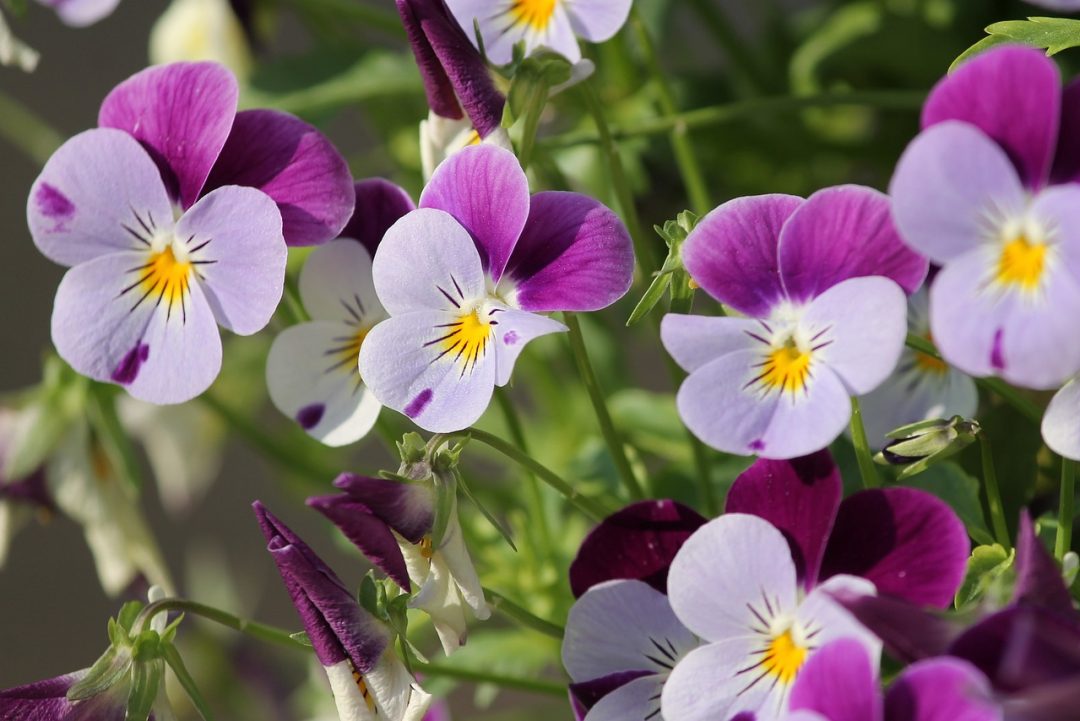
If you’ve ever wondered what the state flower of Rhode Island is, it’s the delicate and resilient violet, specifically the Viola sororia or common blue violet. More than just a pretty bloom, this flower is woven into Rhode Island’s history and ecosystem, and it’s a fascinating species to explore.
History of the Rhode Island State Flower
In 1897, schoolchildren across Rhode Island voted to select the violet from a list of ten finalists. Their choice was announced on Arbor Day and quickly became beloved.
Although it was chosen by popular vote decades earlier, it didn’t become the official state flower until the Rhode Island legislature passed the designation on March 11, 1968. Interestingly, Rhode Island was the last U.S. state to designate an official flower.
When and Why It Was Chosen
Why the violet? The choice reflects a thoughtful blend of civic participation, students voting, and an appreciation for a plant that grows abundantly across the state. The violet is common in Rhode Island’s woodlands and meadows, and its modest, hardy presence resonates with the state’s identity. Its ability to thrive in different environments made it a natural symbol for Rhode Island.
Fun Facts & Blooming Information
- Varieties & Colors: While often called the “common blue violet,” Viola sororia blooms in various hues, deep purple-blue, pale lilac, or even white.
- Blooming Season: Typically flowers in spring, roughly from April through early summer, with some self-pollinating blooms forming later.
- Reproduction Strategy: Viola sororia uses a “mixed mating” system which produces showy, insect-pollinated flowers and also non-opening, self-pollinating flowers, which helps ensure seed production even when pollinators are scarce.
- Seed Dispersal: Its seeds have a fatty, protein-rich structure called an elaiosome. Ants carry the seeds back to their nests, eat the coating, and then discard the seed, effectively planting it.
- Wildlife Connections: It’s a key host plant for the larvae of fritillary butterflies
Scientific Studies, Conservation & Pollinator Importance
Pollinators & Ecological Role
Viola sororia supports a surprising diversity of wildlife. Bees (like small carpenter bees, mason bees, and Andrenid bees) regularly visit its blooms for pollen and nectar. It’s also a specialist host for certain pollinators: for example, the Violet Miner Bee relies almost exclusively on violets for pollen.
Its role in the butterfly lifecycle is especially critical 14 species of greater fritillary butterflies and 16 species of lesser fritillary butterflies use violets as larval food.
Conservation and Climate Change Impacts
Recent research points to climate change affecting how the common blue violet reproduces. A study spanning specimens from 1875 to 2015 found that in warmer, drier environments, violets produce fewer of their showy, cross-pollinated flowers and shift toward more self-pollinating blooms.
This “mixed mating” shift has implications for genetic diversity. Relying more on self-pollination could reduce diversity over time, making populations potentially more vulnerable. Meanwhile, earlier blooming due to warming could also cause a mismatch with the life cycles of pollinators that rely on them.
Conservation Status
According to biodiversity databases, Viola sororia is not currently evaluated for global conservation risk but remains ecologically important in its native range.
Gardeners and conservationists encourage planting violets in naturalized areas rather than treating them as weeds. Mass planting of violets supports pollinator pathways, provides early-season forage for bumblebees, and offers host plants for butterflies.
Growing & Care for Viola sororia
Here’s how to support violets, whether in your garden or a more naturalized area:
- Soil: Prefers rich, humus-rich, well-drained soil but tolerates heavier clay if organic matter is added.
- Light: Does best in partial shade or light shade; tolerates more sun if moisture is plentiful.
- Water: Needs moderate moisture; consistent soil moisture supports both chasmogamous and cleistogamous flowering.
- Maintenance: Because it self-seeds and spreads, letting violet patches naturalize can create a pollinator friendly groundcover. Don’t be too quick to mow or spray; the plant supports bees, ants, and butterflies.
Why the Violet Matters for Rhode Island
As the state flower of Rhode Island, the violet is not just symbolic, it’s ecologically powerful. It supports pollinators, helps maintain genetic resilience, and links nature with local heritage. As climate changes, its adaptability through mixed mating may help it persist, but its continued role in ecosystems depends on healthy pollinator populations.
If you’re inspired by the violet’s beauty and ecological importance, you can support pollinators in your own yard by planting violets. Or, if you want to share a meaningful gift, try our flower delivery options on Bouqs.com. Curious about other states’ symbols? Check out our full list of state flowers for more. And if you like flora from the Northeast, you might want to learn about the Maine state flower, the white pine, next.
Shop All

