
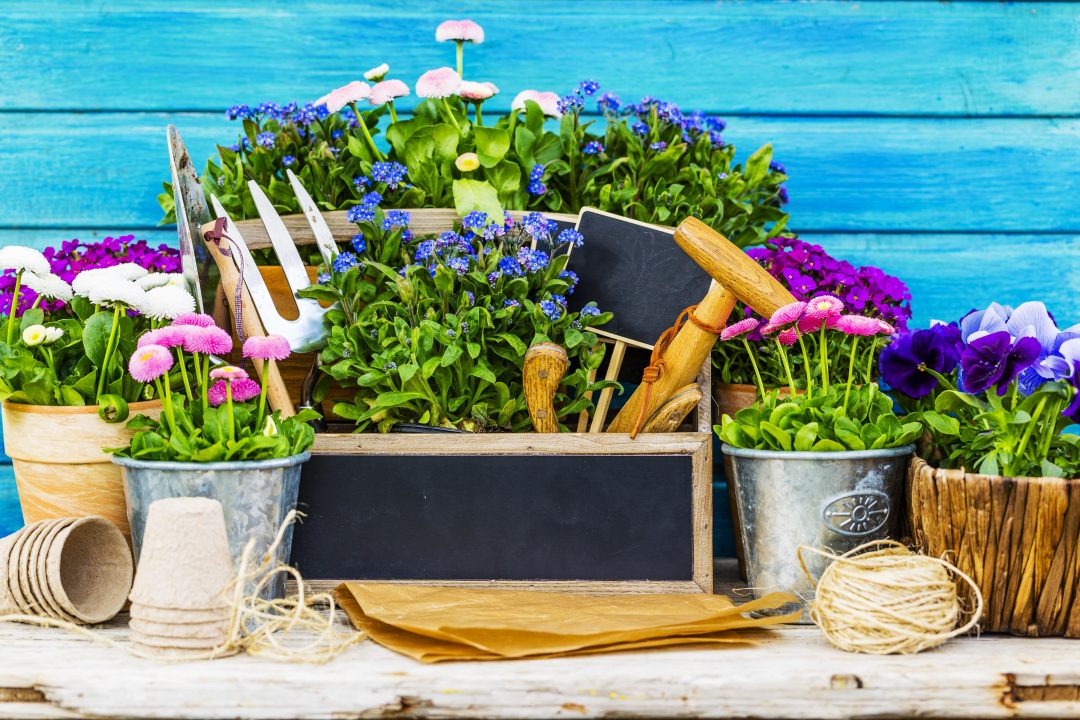
Whether you’re getting ready to plant your first flower garden or you’re a seasoned gardener looking to expand your collection, choosing the right garden flowers can feel overwhelming. With so many stunning options out there, where do you even begin? What flowers should I plant in my garden? It’s one of the most common questions we hear and the honest answer is that the best garden flowers are the ones that thrive in your climate, suit your soil, and bring you genuine joy every time you look at them.
In this guide, we’ve rounded up more than 40 of the best flowers for gardens of all types from low maintenance annuals and resilient perennials to fragrant cottage favorites and dramatic statement blooms. Each entry includes care information so you can plant with confidence. Ready to dig in? Let’s grow something beautiful. And if you’d rather enjoy fresh blooms without the dirt under your fingernails, Order spring flower delivery straight to your door.
How to Choose Flowers for a Home Garden
One of the first steps in choosing flowers for your garden is to look at what conditions you’re working with. Do you have an open patio filled with sun or a wooded backyard with dappled shade? Is your soil compacted clay or well-draining sand?
While some flowers thrive in a wide variety of conditions, most have their preferences. Knowing what you’re working with allows you to choose flowers that are well-suited to your garden’s environment. And that means your plants will stay healthy!
After you take into consideration your garden’s environment, take a minute to think about what type of style you’re after. Do you want to keep to a specific theme like a manicured French garden or an eco-friendly garden filled with native plants? Are you looking for flowers that are great for cutting? Or do you just want a lush and low-maintenance place to relax? Answering these questions can help you find the best flowers for gardens.
Annuals or Perennials?
One thing to consider when planting garden flowers is whether you want annuals or perennials. Annual flowers complete their life cycle and die in a single growing season, so you must replant them each year. Some popular annual flowers include cornflowers, impatiens, petunias, and sunflowers. Annuals let you mix things up each year, and they are typically less expensive than perennials.
Perennial plants live for multiple years, so you don’t have to replant them each spring. Although their foliage often dies back in the winter, the plants reemerge in the spring. Columbine, peonies, coneflowers, and lavender are all perennials. Perennial flowers are a good choice if you want to skip the work of planting new flowers each spring, but they’re not always a great option if you’re only living somewhere for a year or two..
While most flowers are annuals or perennials, some are biennials. These plants produce vegetation the first year before blooming and dying the second year. Foxglove and Canterbury bells are both biennials.
Annual Garden Flowers
Annuals complete their entire life cycle in one season, which means they bloom prolifically from spring through frost before dying off. They’re fantastic for filling gaps in beds, adding seasonal color, and experimenting with new varieties year after year. Many of the best garden flowers fall into this category because they’re easy, reliable, and give you a big payoff with minimal effort.
1. Sunflowers

- Bloom time: Summer to early fall
- Sun: Full sun
- Water: Moderate; drought tolerant once established
- Soil: Well drained; tolerates most soil types
- Height: 3–16 feet
Sunflowers are the ultimate feel-good garden flowers tall, cheerful, and nearly impossible to kill. Direct-sow seeds after the last frost date. They need very little fussing; just water at the base and stake taller varieties against wind. Excellent for attracting bees and birds.
2. Zinnias
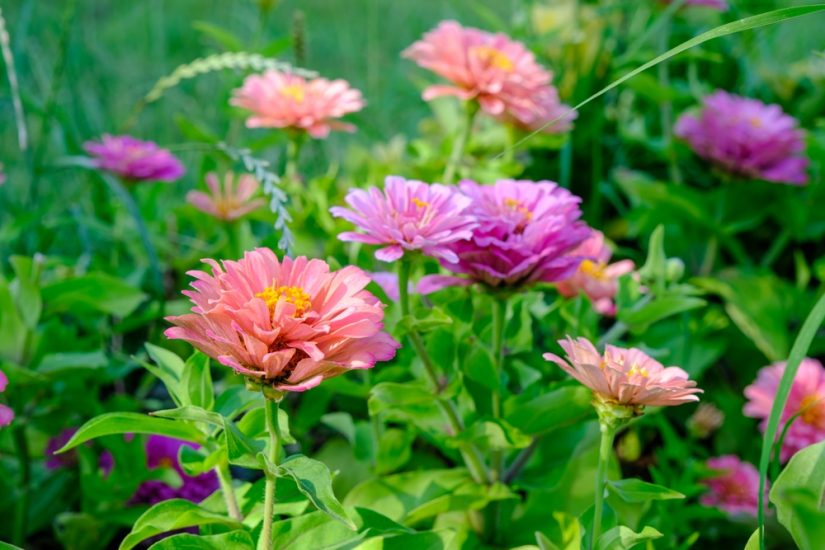
- Bloom time: Summer through frost
- Sun: Full sun
- Water: Moderate
- Soil: Rich, well drained
- Height: 12–36 inches
Zinnias are among the best flowers for gardens that need season long color. Direct sow after the last frost and deadhead regularly to keep blooms coming. They’re heat lovers that practically thrive on neglect, making them ideal for beginners.
3. Marigolds

- Bloom time: Spring through frost
- Sun: Full sun
- Water: Low to moderate; drought tolerant
- Soil: Average, well drained
- Height: 6 inches–3 feet
Marigolds earn a spot in nearly every garden not just for their fiery orange and gold blooms, but because they naturally deter pests. Plant them as a border around vegetable beds or in containers. Deadhead spent flowers to encourage continuous blooming.
4. Cosmos

- Bloom time: Summer through fall
- Sun: Full sun
- Water: Low; drought tolerant
- Soil: Poor to average, well drained (excess fertility reduces blooms)
- Height: 18–60 inches
Cosmos are wonderfully carefree garden flowers with feathery foliage and daisy like blooms in pink, white, and magenta. Sow seeds directly in the ground after the last frost — they actually perform better in lean soil, so skip the fertilizer. They’ll self seed prolifically, giving you even more blooms next year.
5. Impatiens

- Bloom time: Late spring through frost
- Sun: Part to full shade
- Water: Regular; keep soil moist
- Soil: Loamy, well drained
- Height: 6–24 inches
Impatiens are the go-to solution for shady spots where other garden flowers struggle to thrive. They bloom nonstop through frost in a wide range of colors. Water regularly and fertilize monthly for best results.
6. Nasturtium

- Bloom time: Summer to fall
- Sun: Full sun to partial shade
- Water: Low; drought tolerant
- Soil: Poor, well drained (rich soil encourages leaves over flowers)
- Height: 12 inches (bush); up to 10 feet (climbing)
Nasturtiums are edible, cheerful, and virtually foolproof. Direct sow seeds after frost — they dislike being transplanted. Both the flowers and leaves are peppery and delicious in salads. Like cosmos, they bloom more freely in poor soil.
7. Morning Glory
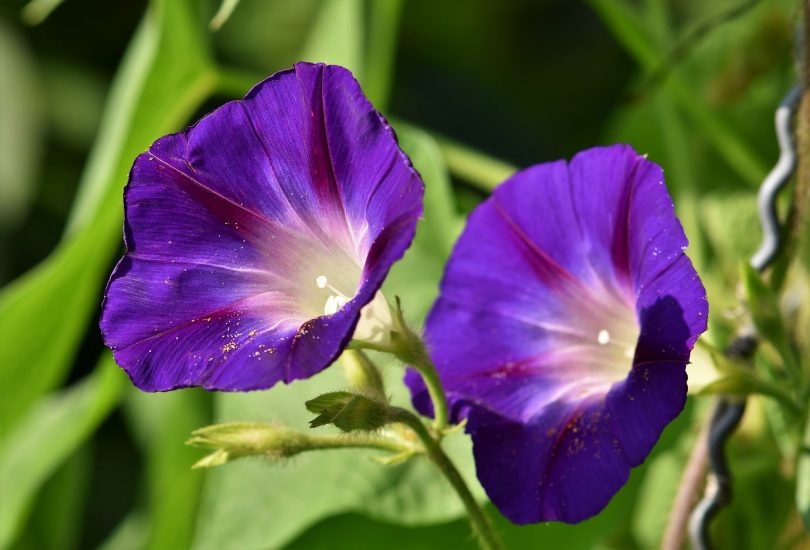
- Bloom time: Late summer to fall
- Sun: Full sun
- Water: Moderate; water during dry spells
- Soil: Moderately fertile, well drained
- Height: 6–15 feet (vine)
Morning glories are fast growing annual vines that cover fences and trellises in jewel toned trumpets of blue, purple, pink, and white. Soak seeds overnight before planting to speed germination. Note: seeds are toxic if ingested, so keep away from children and pets.
8. Sweet Peas
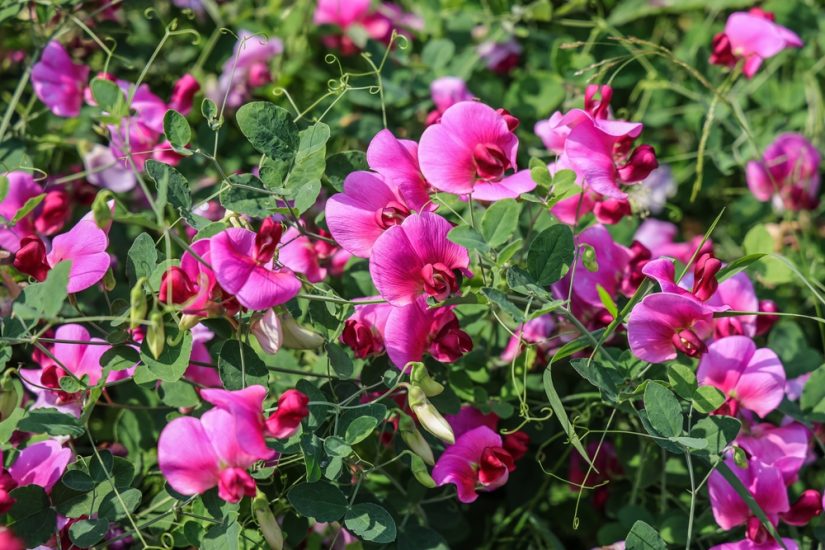
- Bloom time: Spring through early summer (cool climates can extend to fall)
- Sun: Full sun
- Water: Moderate; keep moist
- Soil: Loamy, well drained
- Height: 3–8 feet (needs support)
Few garden flowers match the old fashioned fragrance of sweet peas. Sow seeds in early spring — they love cool weather and will fade when summer heat arrives. Provide a trellis or fence for support and pick blooms often to encourage more flowers.
9. Bachelor’s Button / Cornflower
- Bloom time: Late spring to summer
- Sun: Full sun
- Water: Low to moderate
- Soil: Average, well drained
- Height: 12–30 inches
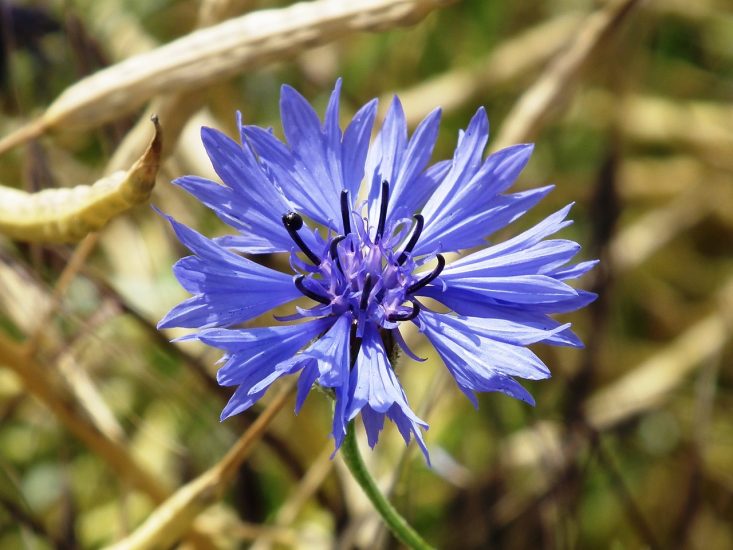
Bachelor’s buttons are beloved cottage garden flowers that direct sow easily and bloom in brilliant true blue — a rare color in the garden. They prefer cool weather, so sow seeds in early spring or fall. Deadhead to extend the season.
10. Cleome / Spider Flower

- Bloom time: Summer to fall
- Sun: Full sun
- Water: Low to moderate
- Soil: Average, well drained
- Height: 3–5 feet
Cleome adds striking vertical drama to borders with its tall, spidery blooms in pink, white, and purple. These heat loving annuals are drought tolerant and self seed enthusiastically — you may never need to plant them twice!
Perennial Garden Flowers
Perennials return year after year, rewarding your one time planting investment with blooms for years to come. They’re the backbone of any well planned garden and represent some of the best flowers for gardens seeking long term structure and color.
11. Coneflower / Echinacea
- Bloom time: Summer to fall
- Sun: Full sun to partial shade
- Water: Low; drought tolerant once established
- Soil: Average to rich, well drained
- Height: Up to 4 feet
- Zones: 3–9
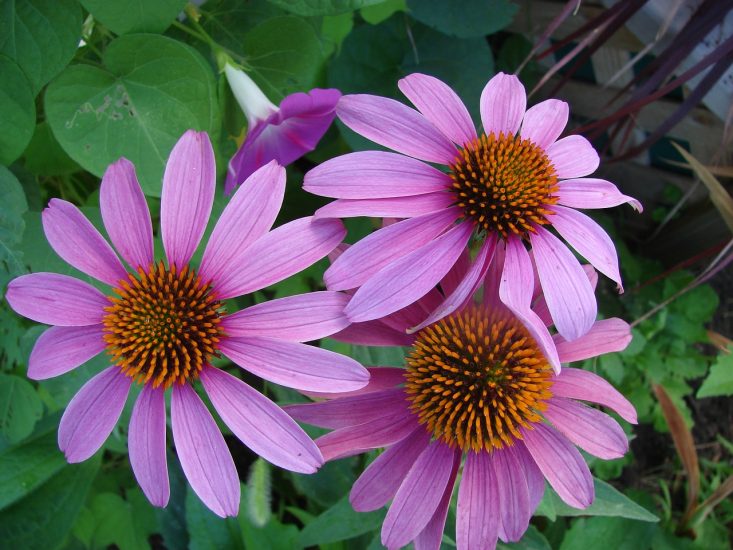
Coneflowers are among the most dependable best garden flowers for North American gardens. They attract butterflies and bees, produce excellent cut flowers, and their seed heads feed birds in winter. Divide clumps every 3–4 years to keep them vigorous.
12. Black-Eyed Susan

- Bloom time: Summer to fall
- Sun: Full sun
- Water: Low; very drought tolerant
- Soil: Average, well drained
- Height: 18–36 inches
- Zones: 3–9
Black eyed Susans are the sun soaked workhorses of the perennial border. Their golden yellow petals with dark centers brighten any bed, and they spread reliably year after year. They’re also excellent pollinator plants and make gorgeous cut flowers.
13. Lavender
- Bloom time: Late spring to summer
- Sun: Full sun (minimum 6 hours)
- Water: Low; excellent drought tolerance
- Soil: Sandy, well drained, slightly alkaline
- Height: 12–24 inches
- Zones: 5–10
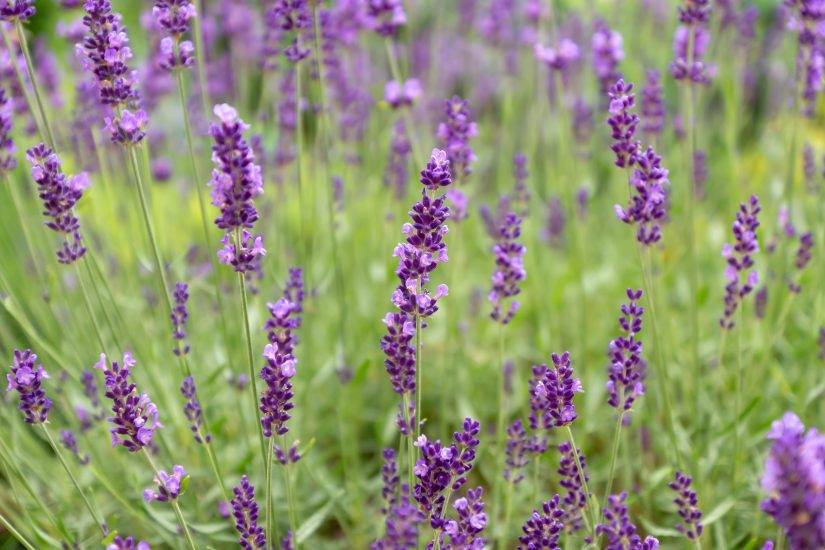
Lavender brings fragrance, color, and irresistible structure to the garden. It thrives in hot, dry conditions and poor soil. Cut stems back by about one third after blooming to encourage a second flush of flowers and prevent woody growth. The University of California Cooperative Extension notes lavender is one of the most water wise perennials available.
14. Salvia

- Bloom time: Spring through fall (varies by species)
- Sun: Full sun
- Water: Low to moderate
- Soil: Well drained
- Height: 18 inches–5 feet
- Zones: Varies (many hardy in Zones 4–10)
Salvia’s tall spikes of blue, purple, red, or pink blooms are hummingbird magnets and among the most heat tolerant garden flowers available. Deadhead regularly to keep blooms coming. Many species are deer resistant.
15. Coreopsis

- Bloom time: Late spring through fall
- Sun: Full sun
- Water: Low; drought tolerant
- Soil: Average to poor, well drained
- Height: 12–36 inches
- Zones: 4–9
Coreopsis, or tickseed, produces cheerful golden yellow flowers from late spring all the way through fall. It’s incredibly low maintenance and one of the best flowers for gardens in hot, dry climates. Cut plants back by half in midsummer for a fresh flush of blooms.
16. Shasta Daisy
- Bloom time: Early to midsummer
- Sun: Full sun
- Water: Moderate
- Soil: Average to fertile, well drained
- Height: 12–36 inches
- Zones: 5–9
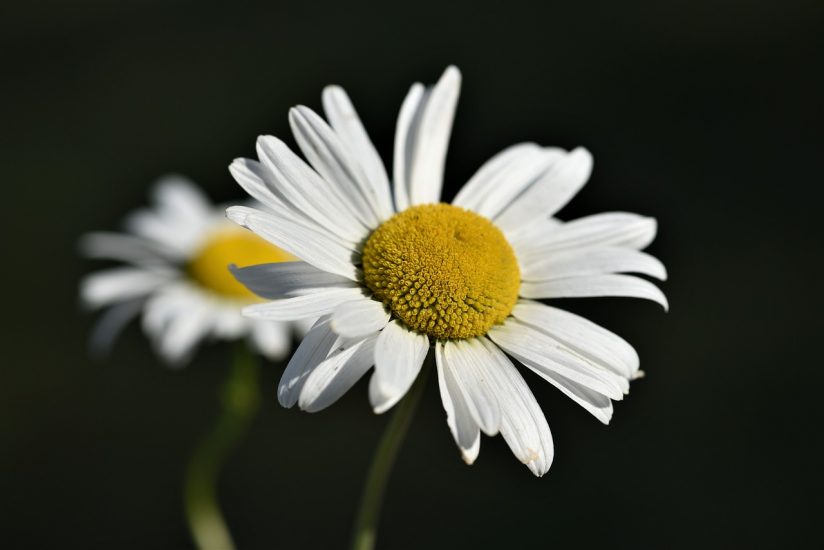
Classic white petals with a golden center make Shasta daisies timeless garden flowers for borders and cutting gardens alike. Divide clumps every 2–3 years to maintain vigor. Deadhead spent blooms to extend the flowering period.
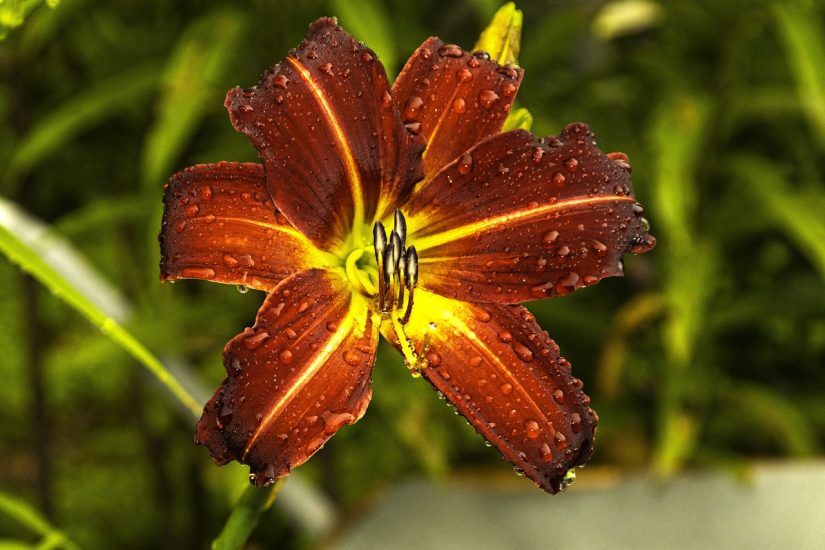
17. Daylily
- Bloom time: Summer
- Sun: Full sun to partial shade
- Water: Moderate
- Soil: Adaptable; tolerates most soils
- Height: 12–48 inches
- Zones: 3–9
Despite each bloom lasting only one day (hence the name), daylilies produce so many buds per stem that plants stay in flower for weeks. They’re among the most forgiving best garden flowers, tolerating a wide range of soil and light conditions.
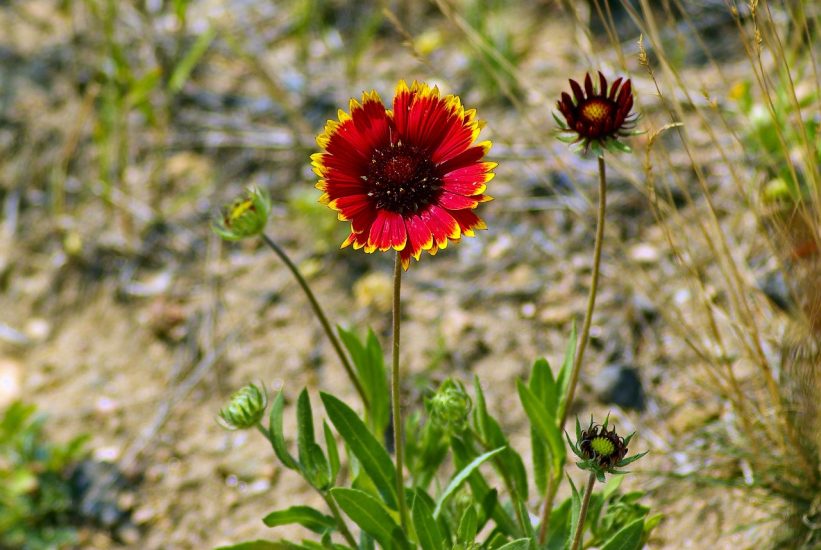
18. Blanket Flower
- Bloom time: Early summer through fall
- Sun: Full sun
- Water: Low; drought tolerant
- Soil: Sandy, average, well drained
- Height: 12–24 inches
- Zones: 3–10
Blanket flowers produce fiery red and yellow blooms that look like miniature sunsets. They thrive in poor, dry soil and are one of the longest-blooming perennials you can grow. They also make excellent cut flowers.
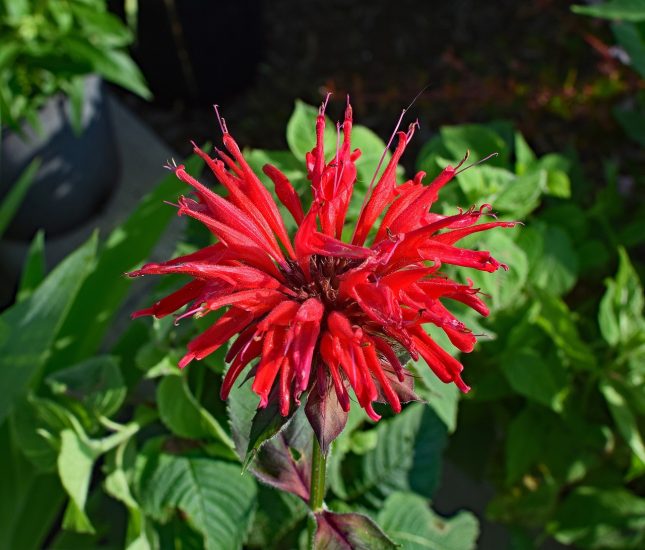
19. Bee Balm
- Bloom time: Summer
- Sun: Full sun to partial shade
- Water: Moderate; prefers consistent moisture
- Soil: Fertile, moist, well drained
- Height: 2–4 feet
- Zones: 3–9
Bee balm is a powerhouse pollinator plant with shaggy, crown like blooms in red, pink, purple, or white. Hummingbirds, bees, and butterflies love it. Divide clumps every 2–3 years and thin stems for good air circulation to prevent powdery mildew.
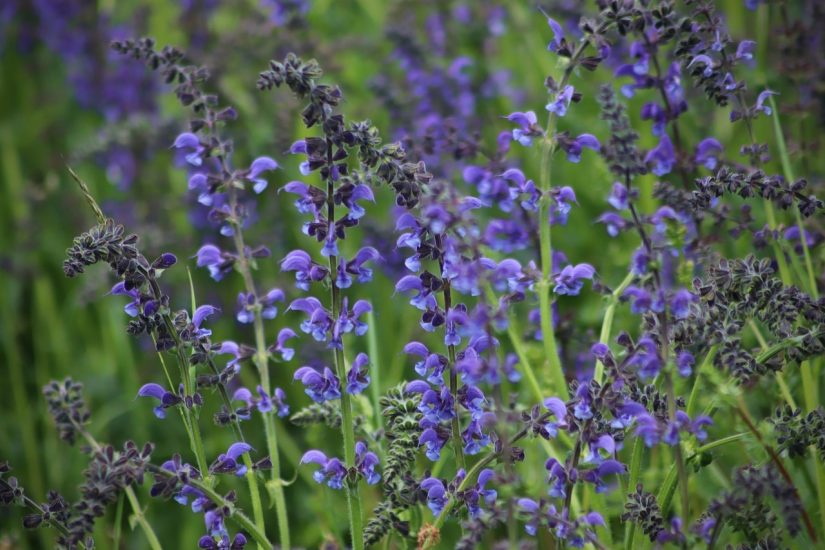
20. Russian Sage
- Bloom time: Midsummer to fall
- Sun: Full sun
- Water: Low; very drought tolerant
- Soil: Well drained, average to poor
- Height: 3–5 feet
- Zones: 4–9
Russian sage offers soft, hazy clouds of lavender-blue flowers on silver stems — a perfect contrast plant for bolder blooms. It’s one of the toughest best garden flowers for hot, dry summers and actually thrives on minimal watering.
21. Catmint

- Bloom time: Late spring to summer (re-blooms if cut back)
- Sun: Full sun to partial shade
- Water: Low
- Soil: Average, well drained
- Height: 12–36 inches
- Zones: 3–8
Catmint forms soft mounds of aromatic gray green foliage covered in small lavender blue flowers. Cut it back hard after the first bloom and it will rebloom prolifically. It’s deer and rabbit resistant, drought tolerant, and one of the easiest garden flowers you’ll ever grow.
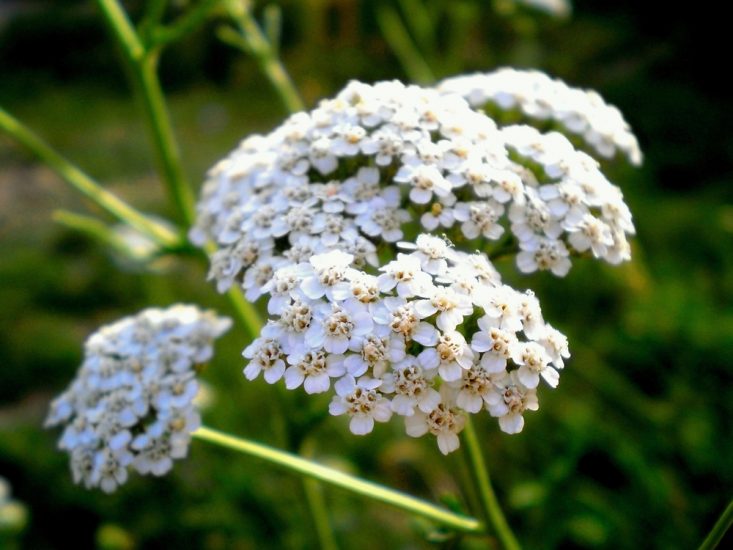
22. Yarrow
- Bloom time: Early to midsummer
- Sun: Full sun
- Water: Low; drought tolerant
- Soil: Average to poor, well drained
- Height: 2–3 feet
- Zones: 3–9
Yarrow’s flat topped flower clusters in yellow, red, pink, white, and orange are beloved by pollinators and humans alike. It spreads readily and tolerates poor soil and drought like a champion. Divide clumps every 3 years to maintain form.
Bulb Flowers for the Garden
Bulbs are the secret weapon of the home gardener — plant them once and enjoy years of spectacular color. Many of the most iconic garden flowers grow from bulbs, corms, or tubers.
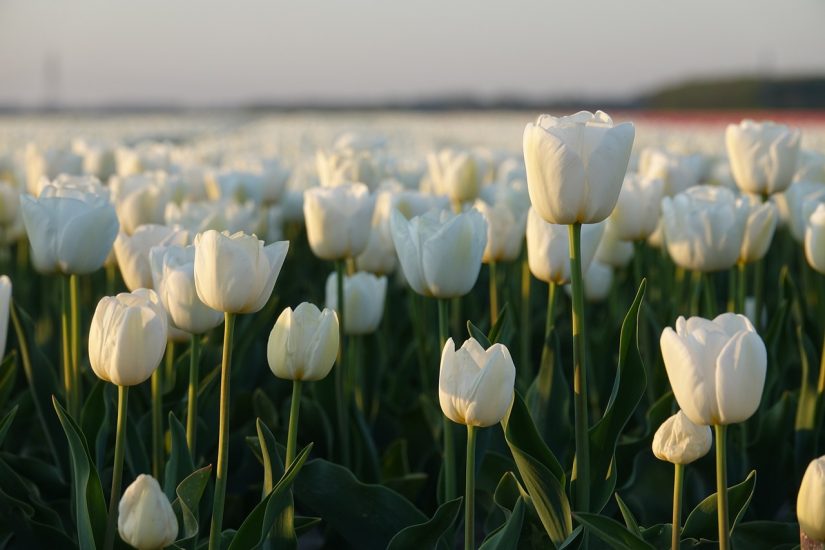
23. Tulips
- Bloom time: Mid spring
- Sun: Full sun
- Water: Moderate during growth; minimal in summer dormancy
- Soil: Fertile, well drained
- Height: 10–24 inches
- Zones: 3–8
Tulips are among the most celebrated spring garden flowers in the world. Plant bulbs in fall for spring color. They prefer cold winters to perform their best. If you’re celebrating spring birthdays, check out the birth flowers for April. You might recognize a few familiar faces. For the easiest results, treat tulips as annuals in warmer climates and replant each fall.
24. Daffodils

- Bloom time: Early to mid spring
- Sun: Full sun to partial shade
- Water: Moderate during bloom; tolerates dry conditions in summer
- Soil: Average, well drained
- Height: 6–24 inches
- Zones: 3–9
Daffodils are nearly foolproof spring garden flowers that deer and rodents avoid (the bulbs are toxic). Plant in fall and let the foliage die back naturally to fuel next year’s blooms. They naturalize well and multiply over time.
25. Dahlias

- Bloom time: Midsummer to frost
- Sun: Full sun
- Water: Regular; 1–2 inches per week
- Soil: Fertile, well drained
- Height: 1–6 feet
- Zones: 8–11 (tubers must be lifted in colder climates)
Dahlias produce some of the most spectacular garden flowers imaginable, in virtually every color and form — from dinner plate sized blooms to pompom sized buttons. Plant tubers after the last frost date, stake taller varieties, and pinch young plants to encourage bushy growth. Learning how to cut garden flowers properly helps dahlia stems last longer in vases.
26. Gladiolus

- Bloom time: Summer
- Sun: Full sun
- Water: Regular; 1 inch per week
- Soil: Fertile, well drained
- Height: 2–5 feet
- Zones: 7–10 (corms must be lifted in colder zones)
Gladiolus corms produce tall, dramatic spikes packed with ruffled blooms in nearly every color. Plant corms 2 inches deep every 2 weeks from spring through midsummer for continuous blooms. Stake in windy locations.
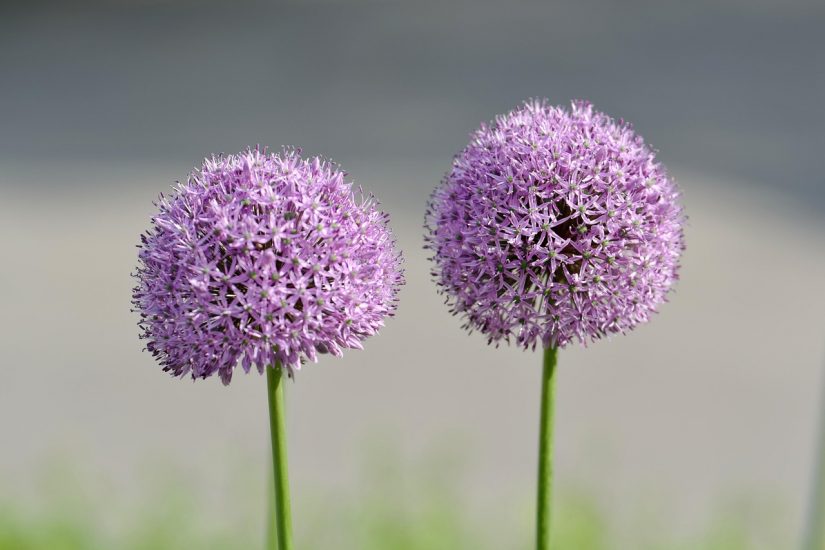
27. Allium
- Bloom time: Late spring to early summer
- Sun: Full sun
- Water: Low; drought tolerant
- Soil: Well drained
- Height: 6 inches–4 feet
- Zones: 4–10
Alliums produce globe shaped flower heads in purple, pink, or white on tall, elegant stems. They’re deer resistant, extremely easy to grow, and add dramatic architecture to the garden. Plant bulbs in fall and enjoy them every spring.
28. Calla Lily

- Bloom time: Late spring to early summer (or summer in cooler climates)
- Sun: Full sun to partial shade
- Water: Regular; keep moist
- Soil: Rich, moist, well drained
- Height: 16–36 inches
- Zones: 8–10 (rhizomes must be lifted in colder zones)
With their elegant, trumpet shaped blooms in white, yellow, pink, and dark purple, calla lilies are among the most sophisticated garden flowers for borders and containers. In colder zones, dig up rhizomes after the first frost and store indoors over winter.
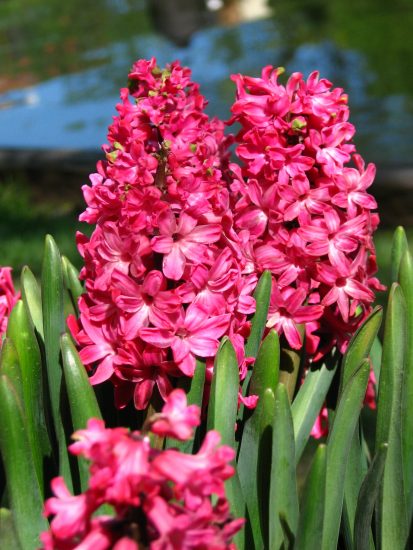
29. Hyacinth
Credit Wiki Commons: https://commons.wikimedia.org/wiki/File:Hyacinthus_%27Red_Magic%27_01.jpg
- Bloom time: Early to mid spring
- Sun: Full sun to partial shade
- Water: Moderate
- Soil: Well drained
- Height: 8–12 inches
- Zones: 4–8
Hyacinths produce intensely fragrant clusters of bell shaped blooms in blue, purple, pink, white, yellow, and red. Plant bulbs in fall for a spectacular and powerfully scented spring display. They’re among the most rewarding spring garden flowers for their fragrance alone.
Cottage Garden Flowers
Cottage garden flowers bring an effortless, romantic beauty to outdoor spaces. They tend to have an informal, slightly wild quality — think lush, layered plantings that look like they’ve been there forever.
30. Roses
- Bloom time: Late spring to fall (varies by variety)
- Sun: Full sun (6+ hours)
- Water: Regular; 1 inch per week
- Soil: Rich, fertile, well drained
- Height: 1–15 feet
- Zones: 3–11 (varies widely by variety)
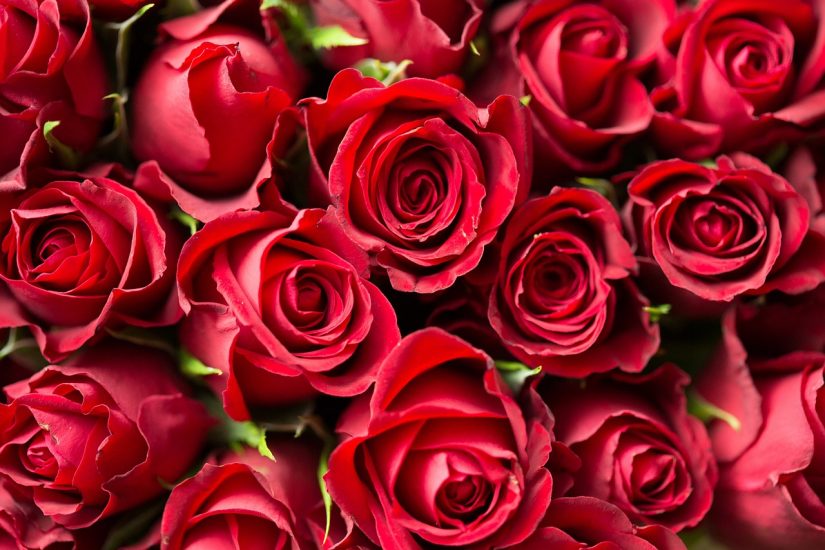
Roses are the quintessential cottage garden flowers — romantic, fragrant, and available in an extraordinary range of colors and forms. Choose disease resistant varieties like Knockout Roses or David Austin English Roses for lower maintenance. Feed monthly during the growing season and prune in early spring for best results.
31. Peonies

- Bloom time: Late spring to early summer
- Sun: Full sun to partial shade
- Water: Moderate
- Soil: Rich, fertile, well drained
- Height: 18–36 inches
- Zones: 3–8
Peonies are among the most beloved garden flowers in the world, with lush, cabbage like blooms in pink, white, red, and coral. Plant roots (eyes facing up) no more than 1–2 inches below soil level — planting too deep prevents blooming. With proper placement, peonies can live for 50+ years.
32. Foxglove
- Bloom time: Late spring to early summer
- Sun: Partial shade to full sun
- Water: Moderate
- Soil: Rich, moist, well drained
- Height: 3–6 feet
- Zones: 4–9
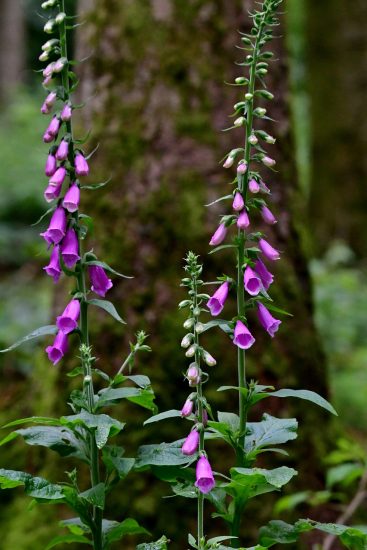
Foxglove’s tall, dramatic spikes of tubular blooms in purple, pink, white, and yellow are a cottage garden classic. They’re biennial (blooming in their second year), so plant new seeds each year to ensure continuous blooms. Note: all parts are toxic if ingested.
33. Hollyhock

- Bloom time: Summer
- Sun: Full sun
- Water: Moderate
- Soil: Average, well drained
- Height: 5–8 feet
- Zones: 3–9
Hollyhocks’ towering spikes of crepe paper blooms in pink, red, white, yellow, and nearly black make them the ultimate back of the border plant. They’re short lived perennials that self seed freely. Water at the base (not overhead) to prevent rust disease.
34. Lupine
- Bloom time: Late spring to early summer
- Sun: Full sun to light shade
- Water: Moderate
- Soil: Average, slightly acidic, well drained
- Height: 3–4 feet
- Zones: 4–8
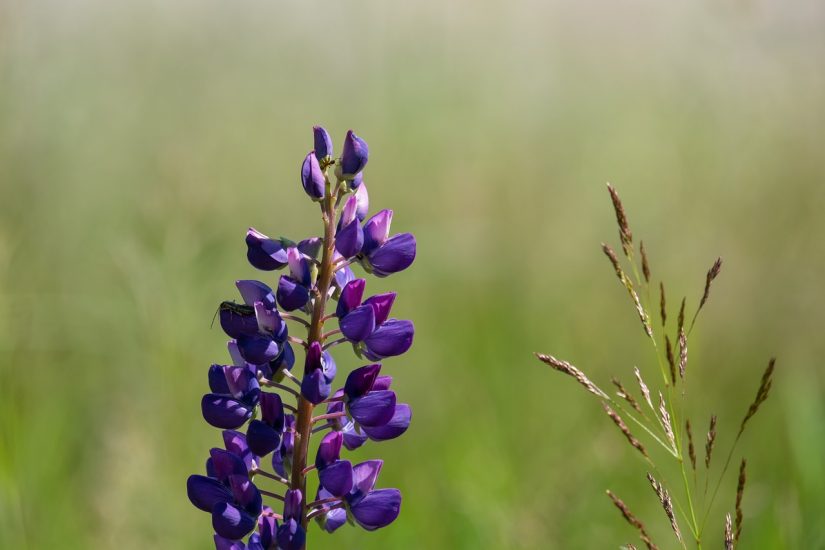
Lupines produce spectacular cone shaped flower spikes in two tone combinations of blue, purple, pink, red, yellow, and white. They prefer cool, moist conditions and resent being transplanted, so direct sow seeds where you want them to grow.
35. Dianthus / Pinks
- Bloom time: Late spring through summer
- Sun: Full sun
- Water: Moderate; well drained conditions are essential
- Soil: Alkaline, well drained
- Height: 6–30 inches
- Zones: 3–9
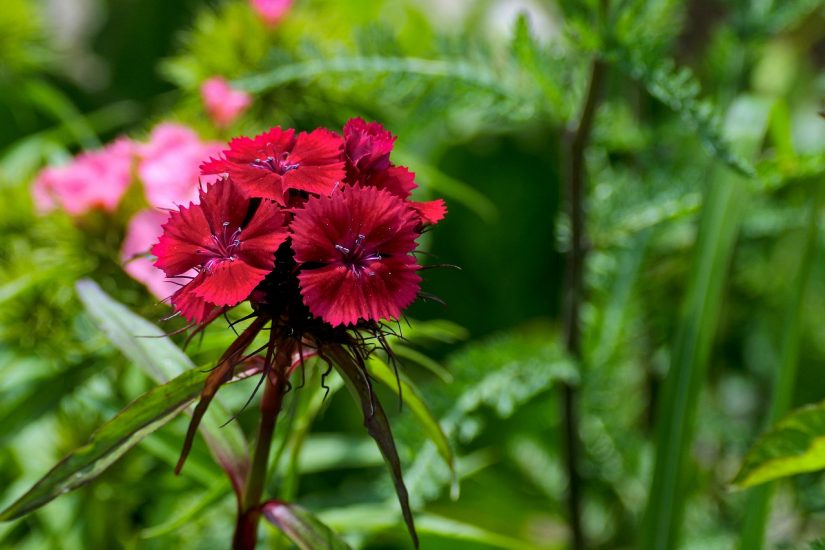
Dianthus, commonly called pinks or carnations, produce charmingly fringed flowers with a distinctive clove like fragrance. They’re among the most deer resistant garden flowers and make excellent edging plants. Deadhead regularly for continuous blooms.
Flowers for Cutting Gardens
A cutting garden is one of the most rewarding projects a home gardener can take on. These best flowers for gardens dedicated to bouquet making are chosen for their long stems, long vase life, and ability to produce an abundance of blooms. Knowing how to cut garden flowers at the right time makes all the difference in how long they last.
36. Lisianthus
- Bloom time: Summer to fall
- Sun: Full sun
- Water: Moderate; allow soil to dry slightly between waterings
- Soil: Fertile, well drained
- Height: 18–36 inches
- Zones: Annual in most zones
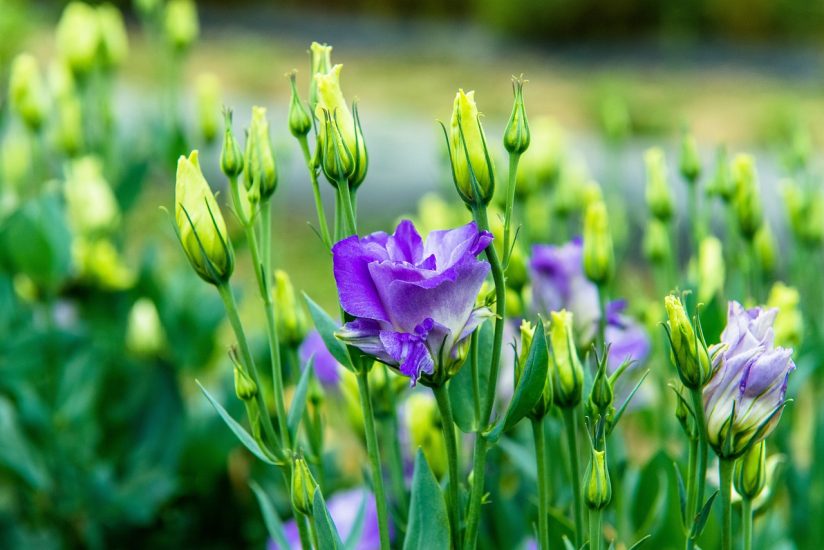
Lisianthus blooms look like a cross between a rose and a poppy, with ruffled petals in purple, white, pink, and bicolor. They’re one of the most stunning cutting garden flowers and have an impressive vase life of up to 3 weeks.
37. Snapdragons
- Bloom time: Spring through early summer; fall in mild climates
- Sun: Full sun
- Water: Moderate
- Soil: Rich, well drained
- Height: 6–48 inches
- Zones: Annual (short lived perennial in Zones 8–10)
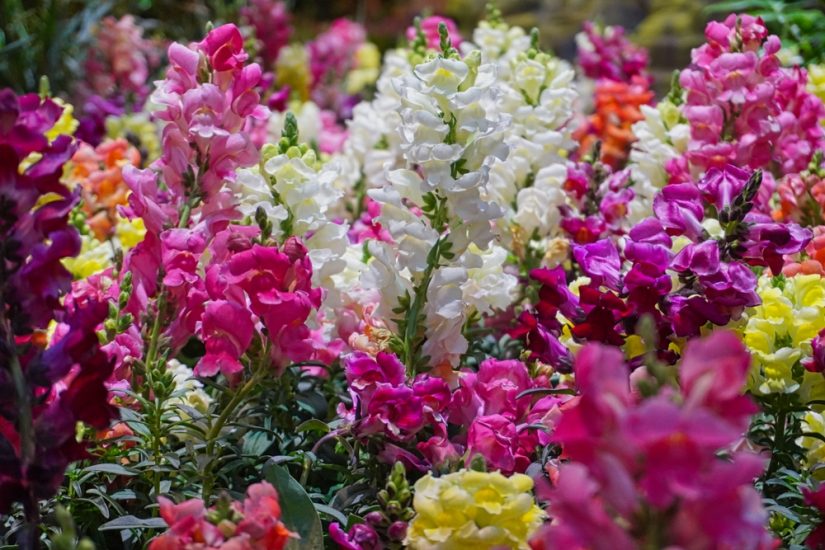
Snapdragons are classic cut flowers with tall, dramatic spikes in nearly every color. They love cool weather, so plant in early spring or fall. Pinch young plants to encourage branching and cut flowers when the bottom third of the spike is open.
38. Statice
- Bloom time: Summer to fall
- Sun: Full sun
- Water: Low; drought tolerant
- Soil: Sandy, well drained
- Height: 18–24 inches
- Zones: Annual (perennial in Zones 9–11)
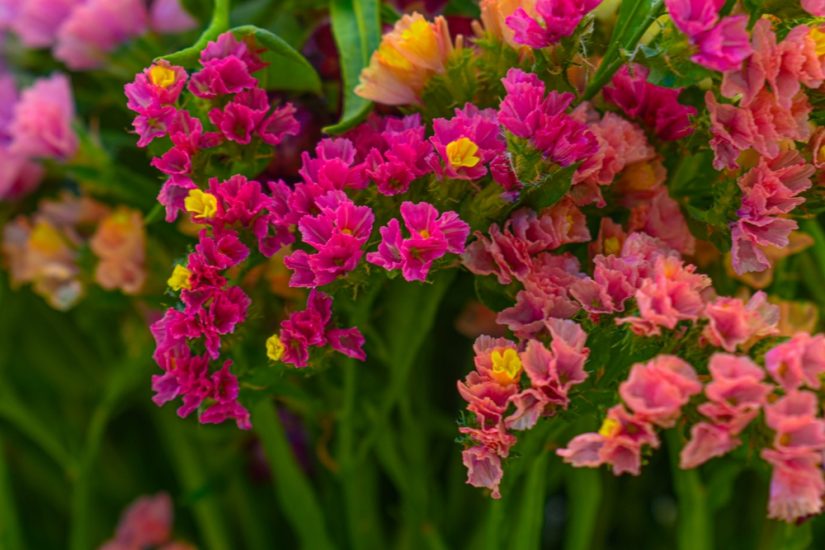
Statice produces clouds of tiny papery flowers in purple, pink, white, and yellow that retain their color when dried. It’s one of the most useful garden flowers for both fresh and dried arrangements. It’s extremely drought-tolerant once established.
39. Strawflower

- Bloom time: Summer through frost
- Sun: Full sun
- Water: Low; drought tolerant
- Soil: Average, well drained
- Height: 12–36 inches
- Zones: Annual
Strawflowers are the everlasting flower — their papery petals dry on the stem, retaining color and form for months or even years. They bloom prolifically all summer in shades of yellow, red, orange, pink, and white.
40. Liatris / Blazing Star
- Bloom time: Mid to late summer
- Sun: Full sun
- Water: Low to moderate
- Soil: Average, well drained
- Height: 18–36 inches
- Zones: 3–9
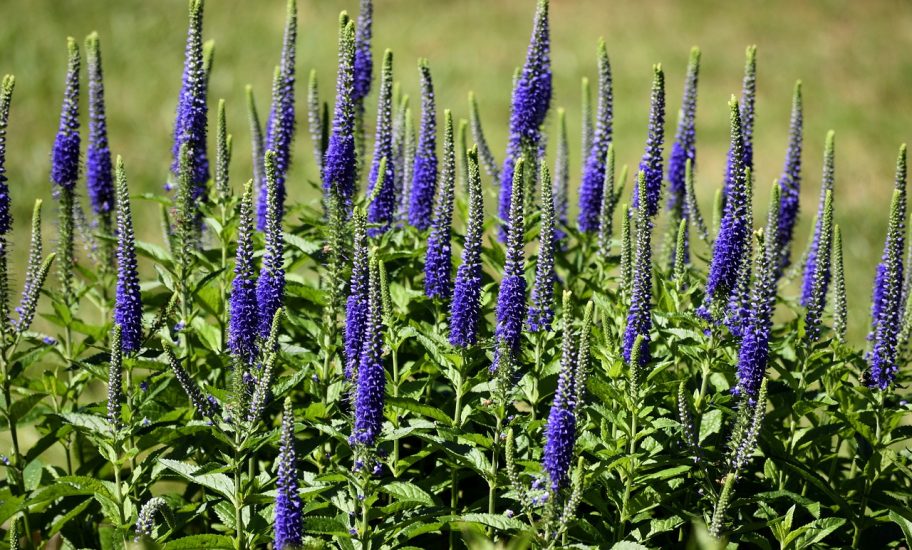
Liatris is a native North American wildflower that doubles as one of the finest cut flowers in the garden, with tall purple spikes that open from the top down (unlike most spikes). It’s low maintenance, drought tolerant, and a favorite of butterflies and bees.
41. Stock
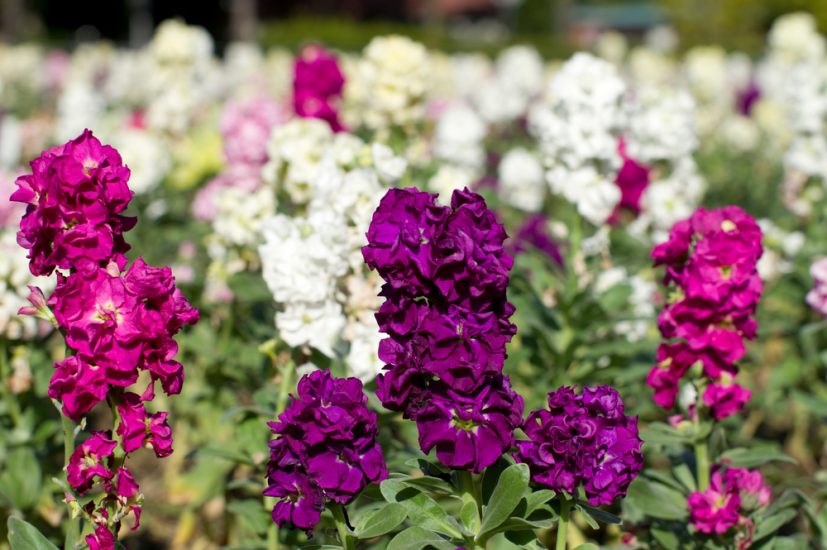
- Bloom time: Spring and early summer (or fall in warm climates)
- Sun: Full sun
- Water: Moderate
- Soil: Rich, well drained
- Height: 12–30 inches
- Zones: Annual (short lived perennial in Zones 7–10)
Stock is one of the most intensely fragrant of all cut flowers, with dense spikes of blooms in pink, white, red, purple, and yellow. Like snapdragons and sweet peas, stock thrives in cool weather. Cut stems early in the morning for the longest vase life.
42. Celosia / Cockscomb

- Bloom time: Summer to frost
- Sun: Full sun
- Water: Moderate
- Soil: Rich, well drained
- Height: 6–36 inches
- Zones: Annual
Celosia’s dramatic velvety blooms — either plumed or brain-like cockscomb — make it one of the most eye-catching garden flowers around. It thrives in heat and humidity, making it a summer workhorse. It also dries beautifully for fall arrangements.
Garden Flower FAQs
What Flowers Should I Plant in My Garden?
This depends on numerous factors including your soil type, sun, and personal preferences. However, some popular garden flowers include roses, snapdragons, marigolds, and lilies.
What are the Easiest Garden Flowers to Grow?
Sunflowers, zinnias, marigolds, nasturtiums, cosmos, and coneflowers are consistently ranked among the easiest best garden flowers for beginners. They’re forgiving, adaptable, and produce impressive results with minimal effort. Most can be direct sown from seed.
What are the Best Flowers for a Low-Maintenance Garden?
For a low-maintenance approach, focus on drought tolerant perennials like lavender, coneflower, black eyed Susan, Russian sage, catmint, and yarrow. These garden flowers require little water once established, return year after year, and support pollinators without demanding much attention.
What’s the Difference Between Annuals and Perennials?
Annuals complete their life cycle in one growing season and must be replanted each year, but they tend to bloom continuously and put on a dramatic show. Perennials die back to the ground in winter and return each spring, gradually spreading and improving over time. Most garden designers recommend combining both for the best results.
Add Flowers to Your Home and Garden
We probably don’t have to tell you this, but there’s no such thing as too many flowers! So before you get busy planting flowers in your garden, take a moment to order spring flower delivery for yourself and your loved ones. While there’s never a wrong time to order flowers, the warmer months coincide with one of the most popular flower holidays: Mothers’ Day! We’ve put together a wide selection of Mothers’ Day flowers, so you can find a bouquet perfect for every type of mom. Not only will your flowers arrive fresh, but your mom will love that they come from sustainable farms.
Shop All

