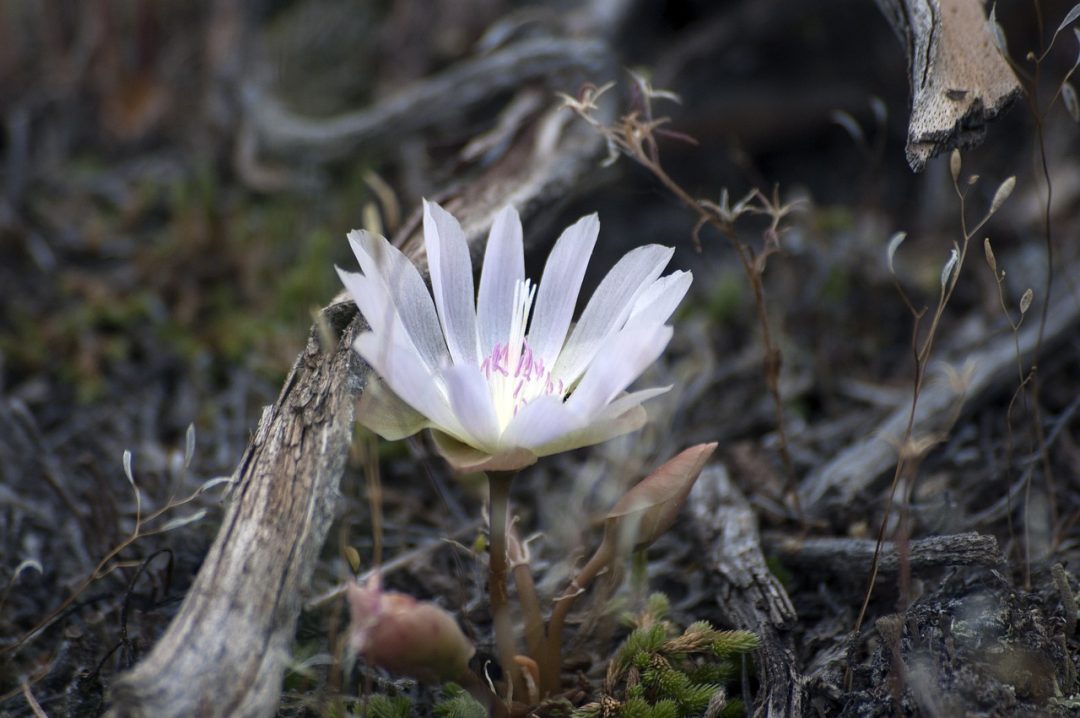
The bitterroot is recognized as the state flower of Montana, a small, native wildflower with deep cultural and historical significance throughout the state. This guide explores the history, meaning, and growing traits of the Montana state flower, with practical details and verified references for accuracy. For readers exploring flowers across the country, we also offer a full list of state flowers for comparison and context.
History of the Montana State Flower
The bitterroot, scientifically known as Lewisia rediviva, grows naturally across much of western Montana, along rocky slopes and open grasslands. Indigenous tribes, including the Salish, Kootenai, Blackfeet, and Nez Perce, relied on bitterroot for food and trade long before European settlement. The thick root served as a high-energy food source once prepared through traditional cooking methods.
The plant gained national attention during the Lewis and Clark Expedition in the early 1800s. Meriwether Lewis documented the plant in 1806, noting its importance to local tribes. The species name rediviva refers to its ability to survive long dry periods and return to bloom once moisture arrives. Detailed botanical records appear in the Montana Field Guide and the U.S. Forest Service Wildflower database, both recognized authorities on native plants.
When and Why It Was Chosen as the State Flower
Montana officially adopted bitterroot as its state flower in 1895. Women’s civic groups led the effort, especially the Montana Federation of Women’s Clubs, which promoted the flower as a symbol of endurance and connection to the land. Lawmakers supported the choice due to the plant’s deep roots in Indigenous history and its widespread presence across the state.
The Montana state flower reflects resilience, a trait often associated with life in the region’s dry, rugged climate. Bitterroot thrives where many plants struggle, aligning closely with Montana’s identity and natural environment. Today, the flower remains a protected native species on public lands, reinforcing its long-term value to the state.
Fun Facts and Blooming Information
Bitterroot blooms in spring, often between April and June, depending on elevation and snowfall. The plant produces pink, rose, or white flowers with multiple narrow petals. Blooms appear low to the ground, usually before the leaves fully emerge.
Several varieties exist within the Lewisia genus, though Lewisia rediviva stands as the official state flower of Montana. Each plant produces a single flower per stem, creating a striking contrast against gravelly soil. The Montana state flower also closes during cloudy weather and reopens with direct sunlight, a trait documented by the U.S. Forest Service.
Unlike many flowering plants, bitterroot enters dormancy during summer heat. This cycle helps explain why sightings often occur early in the growing season. For readers interested in floral traditions beyond Montana, Bouqs also shares guides to learn about Maine’s state flower and other regional symbols.
Growing and Care Information
Bitterroot grows best in conditions similar to its native habitat. Well-drained, rocky soil supports healthy root development. Sandy or gravel-based soil works well, while heavy clay leads to root rot. Full sun exposure during spring supports flowering, though partial shade during hot afternoons protects the plant during dormancy.
Watering requires restraint. Bitterroot prefers low moisture levels, especially once flowering ends. Overwatering causes damage to the taproot. The plant thrives in USDA hardiness zones 4 through 7, matching much of Montana’s climate range. Gardeners interested in native landscaping often pair bitterroot with drought-tolerant species. The Montana state flower suits rock gardens and raised beds with controlled drainage. Transplanting mature plants rarely succeeds due to the deep root structure.
Bitterroot and Modern Floral Culture
While bitterroot rarely appears in commercial bouquets due to its growth habits, interest in native flowers continues to rise. For occasions calling for classic arrangements, The Bouqs Co. provides nationwide flower delivery with responsibly sourced blooms. Learning about native species like the bitterroot builds appreciation for regional ecology alongside traditional floral gifting.
Learn More About Bitterroot
See additional detail on bitterroot biology and conservation:
- Montana Field Guide, Bitterroot Species Profile
- U.S. Forest Service Wildflowers Database, Lewisia rediviva
Exploring state flowers highlights how plants reflect local history and environment. For a broader overview, Bouqs maintains a full list of state flowers covering all 50 states, each with unique stories rooted in place and tradition.
Shop All