Water
Keep flowers in their plastic sleeve and place in cool water. Hydrate for 2 hours, then remove the sleeve.


From our expert florists to you—here’s how to get the best experience.
Follow these steps and watch ‘em bloom before your eyes.
Keep flowers in their plastic sleeve and place in cool water. Hydrate for 2 hours, then remove the sleeve.
Cut stems at a 45-degree angle to fully absorb water. Remove any leaves sitting below the water line. Add flower food packet.
To keep your flowers looking as fresh as possible, avoid bright and hot areas.
Flowers may arrive as buds that open in 1-2 days. Keep refreshing water every 1 to 2 days.
Tag @thebouqsco - we love to see your beautiful Bouqs!


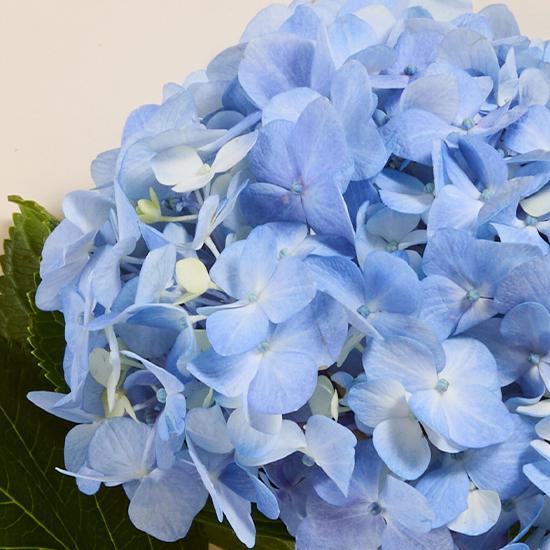
Hydrangea, a staple in the summer months, are known for their fluffly petals and love of water.
Water: To keep these flowers at their best, make sure to immediately put them in a clean vase full of fresh water. They are drinkers, so be sure to check on the water levels every couple of days. If they look droopy, try dunking the entire flower head upside down in cool water for 30 minutes.
Light: Keep hydrangea blooms out of bright, direct sunlight.
Pets: Hydrangeas are toxic to pets. Keep out of reach from both your cats and dogs.
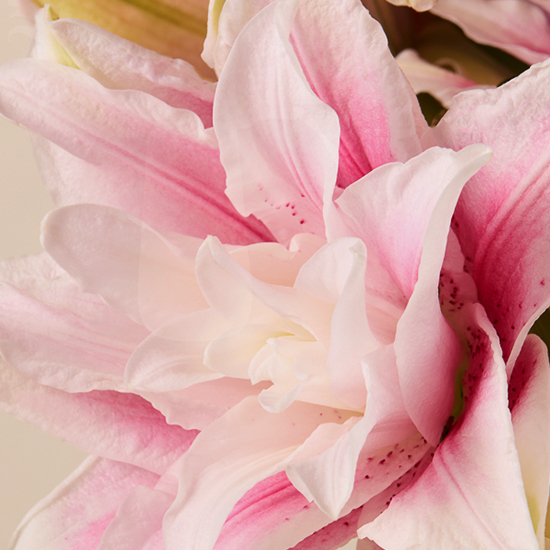
While lilies bloom into spectacular trumpet-shaped flowers, they arrive in bud form. So, if you’re hoping to display a bouquet of stunning lilies at a special event, it’s best to order so your flowers arrive a few days ahead of time. Our cut guarantees that 80-90% of blooms will open, but it's normal if a few don't. We recommend removing the stamen that contains pollen to prevent staining and help with allergies. Simply put on a pair of gloves and then pinch the stamens at their bases.
Water: Change water every few days. Warm water can help speed up the blooming process.
Light: Keep out of direct light.
Pets: It is seriously recommended that pet owners keep lilies away from their pets. Lilies can be extremely harmful if ingested.
If pollen stains occur, we recommend using a blow dryer, lint roller or scotch tape to remove via dry method.
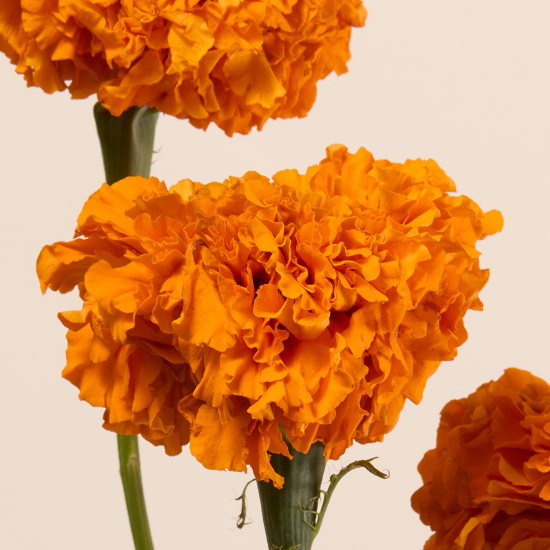
Marigolds are known for their stunning colors and ruffle texture. They can be top heavy, so make sure you choose a vase that gives the bloom, and especially the stems, the support they need. Marigolds can have a distinct smell that mimics soil. If you're marigolds are giving off a strong scent, that is completely normal.
Water: Add cool to luke warm water to your vase and make sure to replace every couple of days.
Light: Keep away from direct sunlight.
Pets: Marigolds are considered a safer flower, but it is recommended that you keep out of reach of pets.
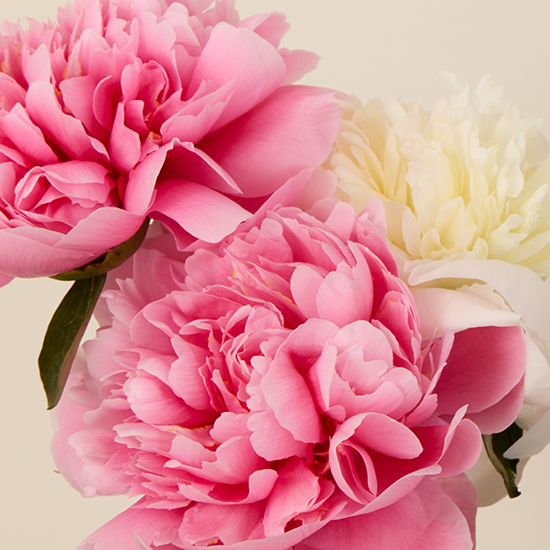
While peonies are known for their dramatic ruffles, we want to make sure you enjoy every moment of these flowers! That’s why your peonies will arrive in bud form. To help encourage the blooming process, trim the ends of the stems and place them in freshwater. It’s common for peonies to bloom at different speeds, so don’t be alarmed if some seem a bit behind. Once peony flowers are fully open, their average lifespan is about two to three days.
Water: Change water every few days to help encourage the blooming process.
Light: Keep out of direct light.
Pets: Peonies contain a toxin to both cats and dogs, so keep them out of reach.
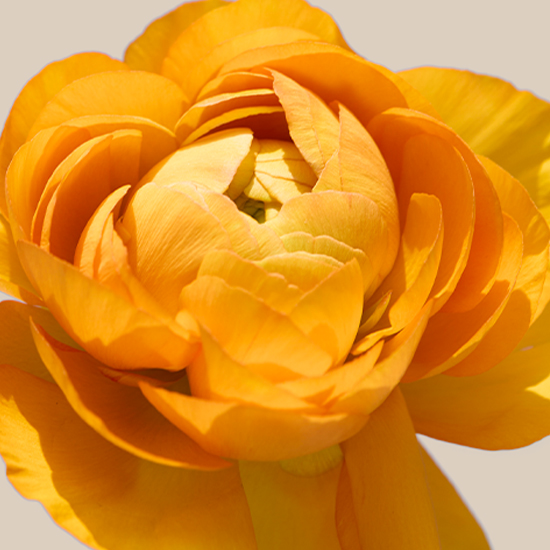
Ranunculus are delivered in bud form, and the buds may arrive green. As these buds bloom, they produce flowers that are three to five times their size! Since ranunculus stems are quite delicate and have naturally curved stems, it’s best to use a tall vase to support the stems. A good rule of thumb is that the vase should be at least 2/3 the length of the cut stems.
Water: Change water for ranunculus every few days.
Light: Keep out of direct light.
Pets: Ranunculus are considered toxic and poisonous to pets, including cats and dogs.
Got a droopy ranunculus? Ensure the ends are trimmed at an angle and that the vase is filled with water. You’ll also want to make sure you’re using a vase that is tall enough to support the stems (or cut the stems down to fit your vase). A good rule of thumb is that the vase should be at least 2/3 the length of the cut stems.
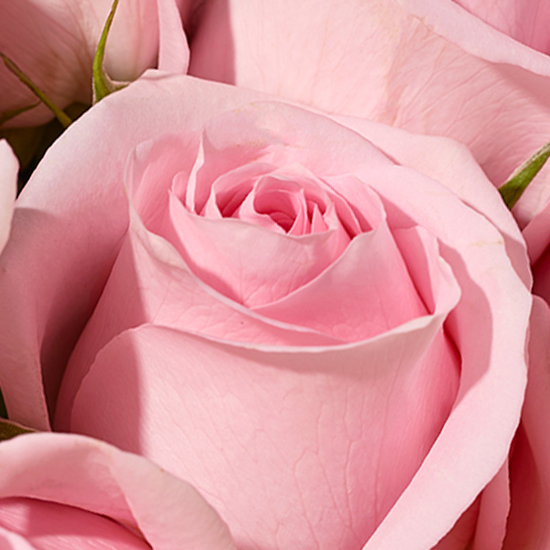
Roses are delivered with their protective guard petals still attached. These petals may appear lighter in color or have spots — but don’t fear, that means they’ve done their job! Once the roses are safely in your home, use your hands to gently remove the guard petals. While there are all kinds of roses (garden roses, spray roses, tea roses, etc.), all types can benefit from freshly-cut stems. You should also make sure to remove any leaves that will fall below the water line.
Water: Change water every few days to keep your roses looking fresh!
Light: Keep out of direct light.
Pets: Roses are considered less toxic for pets, though ingestion could cause mild upset stomachs for dogs or cats.
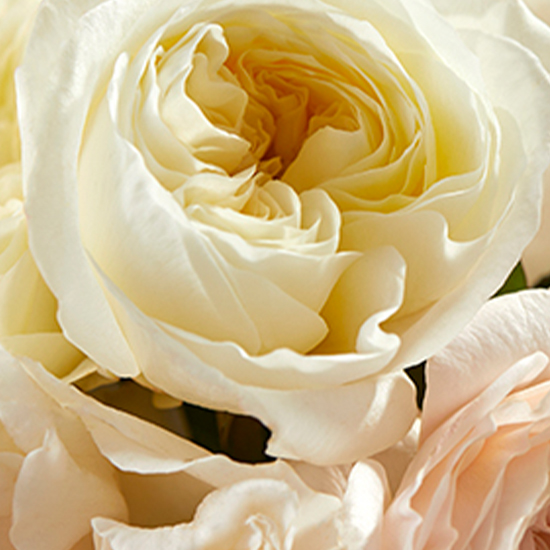
Garden roses are larger and more fragile than regular roses. Remove outer protective petals (guard petals) and extra leaves as needed. Trim ends at a 45 degree angle and make sure foliage is above the water line.
Water: Change water every few days to keep your roses looking fresh!
Light: Keep out of direct light.
Pets: Roses are considered less toxic for pets, though ingestion could cause mild upset stomachs for dogs or cats.
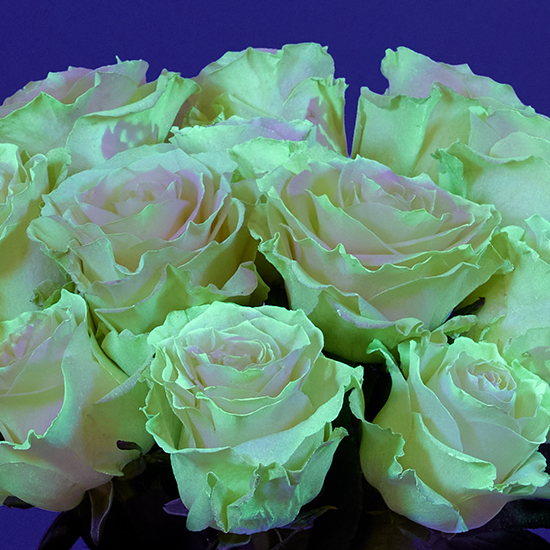
Our Glow-in-the-Dark Roses can glow up to three hours before needing to be recharged with another dose of light. Roses are delivered with their protective guard petals still attached. Once the roses are safely in your home, use your hands to gently remove the guard petals. You should also make sure to remove any leaves that will fall below the water line.
Water: Change water every few days to keep your roses looking fresh!
Light: "Charge" your Roses so they glow! Arrange petals to ensure each one is exposed to light. Place them in bright light for at least 15 minutes. Natural sunlight will give the best results but artificial light will work too!
Pets: The dye used on these flowers is non-toxic but should be kept away from pets.
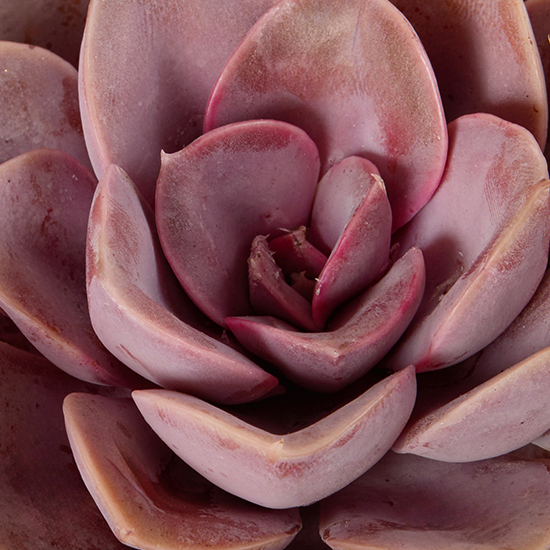
Yes, that’s right, succulents can be a part of bouquets! When succulents arrive, their ‘stems’ are not actually part of the plant — they're just a way to make the succulent appear like a flower. Succulents included in mixed arrangements can be replanted into a separate pot and sprayed with water in between watering.
Water: Remember to water after you’ve replanted the succulent in soil.
Light: Keep out of direct light.
Pets: Toxicity depends on the specific species.
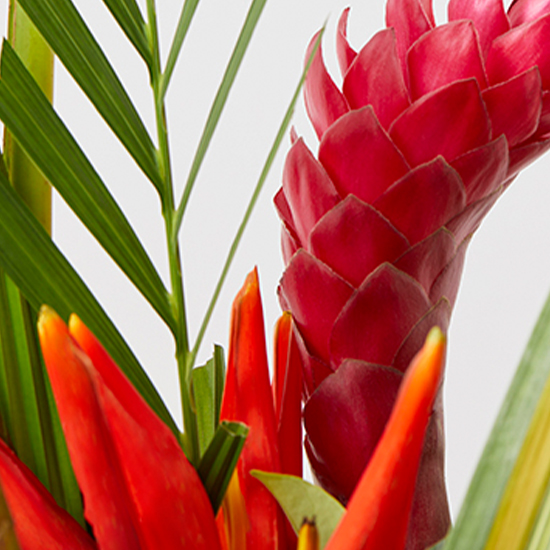
Tropical flowers include stunning specimens like ginger flowers, musa (banana), and lobster claws. Be sure to keep these arrangements away from cold drafts and provide some extra humidity if possible. Tropical flowers do NOT need flower food.
Water: Provide lots of water and change every few days. Tropical flowers need a LOT of water. Fill the vase at least 2/3 full and change every 2-3 days.
Light: Keep out of direct light.
Pets: Toxicity depends on the species, so be sure to do your own research about the tropical flowers you have. Mini fruits included are not edible. Keep away from pets.
Tropical arrangements can absorb water from their leaves and flowers. Tropical flowers also absorb water from their environment. Spray them once a day to ensure a long and happy vase life. If your Bouq looks a bit squeezed after transportation, carefully separate the blooms with your hands. Flowers and foliage will return back to their original shape.
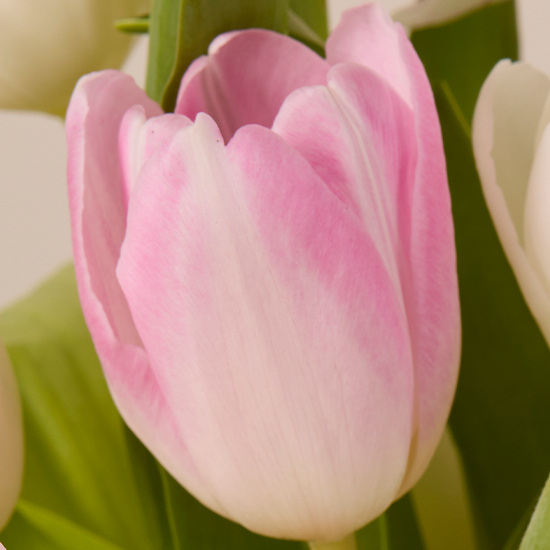
Tulips are shipped in bud form and may arrive slightly curved - this is completely normal! Trim the stem at a 45 degree angle and cut to about four inches from the top of the vase for support. Only add about two inches of water at a time to avoid over hydrating then add more daily to maintain the same water level (tulips drink water quickly!).
Water: Tulips are thirsty flowers — check and replenish the water every day. Only the bottom two inches of the stems should be in water.
Light: Keep out of direct light.
Pets: Tulips are considered toxic and poisonous for pets, so it may be best to avoid them for pet parents, or at the very least keep them far out of reach.
Droopy tulips? Make sure your tulips are trimmed to the size of your vase (we recommend about four inches above the rim) so they are well supported. Tulips are soft-stemmed and will droop if there is more than two inches of water in the vase. Remove extra leaves if your flowers seem crammed or if it's preventing all flowers from receiving proper hydration.
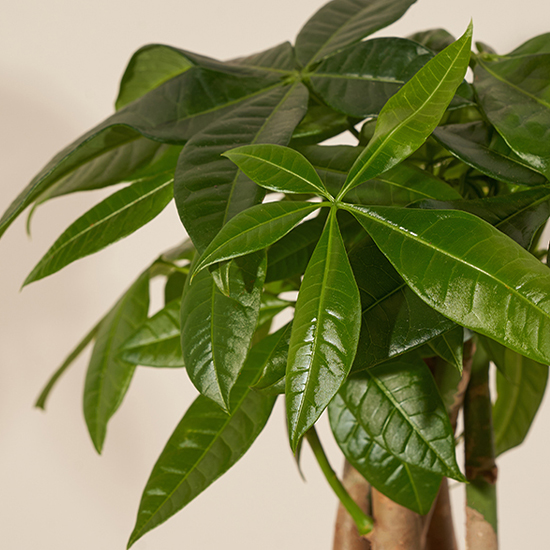
To keep these plants thriving, allow the top half of the soil to dry before watering.
Water: Water deeply about every two weeks.
Light: Medium to bright indirect light is best for money trees.
Pets: Money trees are considered pet-safe plants.
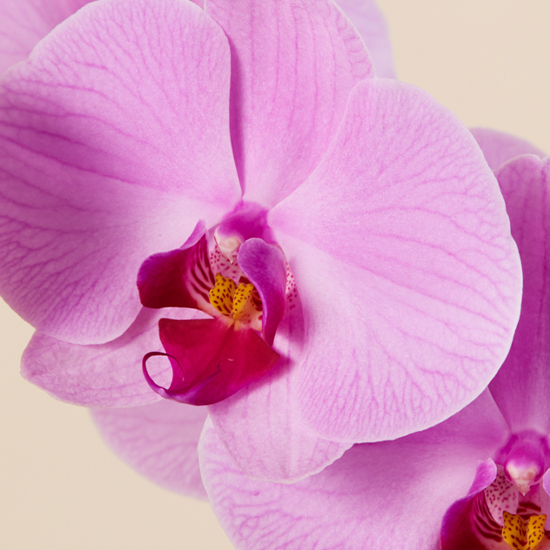
This chunky mix mimics the orchid’s natural environment and allows excess water to escape.
Water: Thoroughly wet the growing media every week then allow it to drain.
Light: Bright yet indirect light.
Pets: Orchids are generally considered pet-safe flowers.
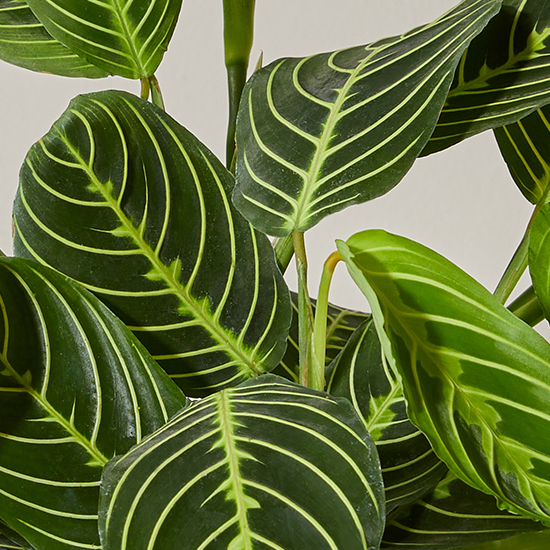
Prayer plants are known for their patterned foliage and can be an amazing addition to any room with the right conditions.
Water: Prayer plants like their soil to remain moist at all times, though that doesn’t mean you need to water the plants every day. Instead, aim to water them when the top few inches of soil is dry, about once or twice a week.
Light: Prayer plants prefer bright yet indirect light.
Pets: Prayer plants are non-toxic to pets, including cats and dogs.
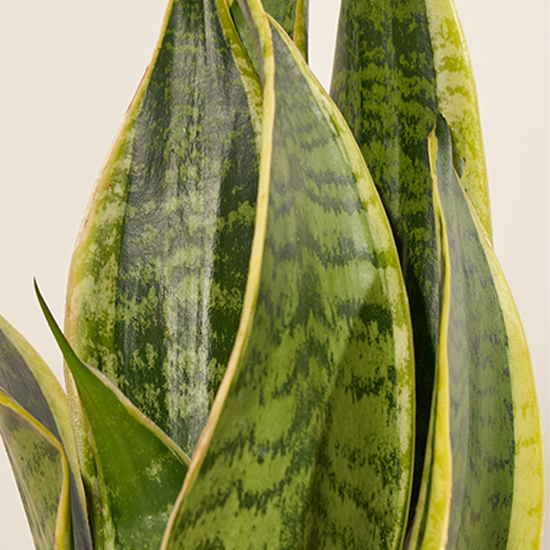
One of the easiest to care for houseplants, snake plants can tolerate a wide variety of light conditions as well as periods of drought.
Water: Allow the top half of the soil to dry in between watering.
Light: Snake plants prefer bright to medium indirect light but are also tolerant of low light.
Pets: Snake plants are toxic to pets like cats and dogs.
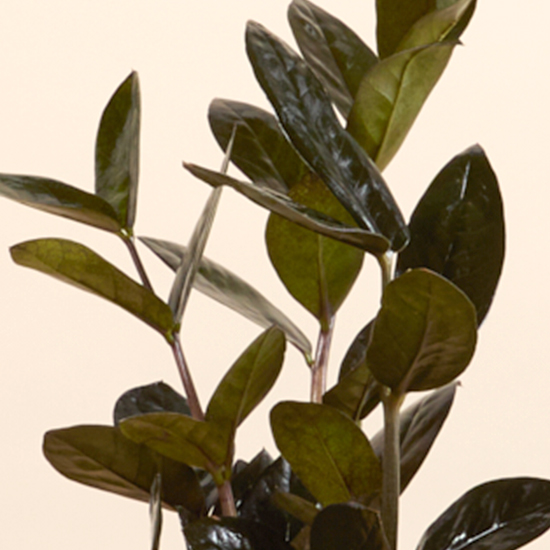
Although the ZZ plant has a reputation of being almost indestructible, don’t allow the air temperature to dip below 60ºF.
Water: Water when the top half of soil is dry, about once every two weeks.
Light: ZZ plants prefer bright to medium indirect light, but can survive low-light conditions as well.
Pets: The ZZ plant is considered toxic if ingested, so keep away from pets like cats and dogs.
Bring it inside right away and unbox it within a couple of hours. Unless it came from one of our retail stores already arranged, your Bouq ships in a protective cardboard box. Take it out of the box, carefully remove the paper wrap, then undo the rubber band holding the stems together.
Yes! This step does the most to help your flowers last. Stem ends dry out in transit, and dry ends can't take up water well. Use sharp shears or scissors to cut at least half an inch off each stem at a 45º angle. You can cut more if you want a shorter arrangement.
Remove any leaves that would sit below the water line. Leaves left underwater break down and grow bacteria, which shortens the life of your bouquet.
Start with a clean vase and fill it about halfway, refilling every two to three days along with more flower food. Fresh water removes the bacteria that make flowers wilt early and a clean vase keeps bacteria and disease from spreading to your stems.
Display your fresh flower bouquet in a cool spot out of direct sunlight. Garden flowers love bright sun, but strong light damages cut flowers. In a warm home, keep the vase away from vents, radiators and drafty windows, since both hot and cold drafts cause damage. It's also important to keep your fresh flowers away from fresh fruit. Fruits such as apples, bananas, mangos, peaches, and pears give off ethylene, a natural plant gas that speeds up ripening and can make cut flowers fade much faster.
Flower food keeps your blooms hydrated and slows bacteria growth. Stir some into the water before you add your Bouq, and save the rest for when you change the water.