
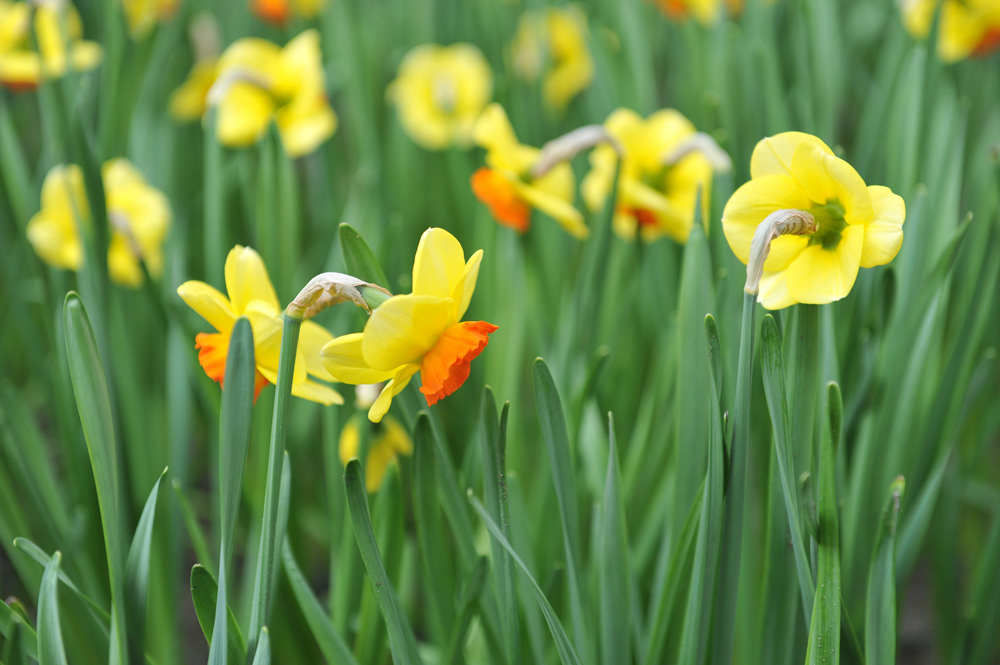
Daffodils are among the first flowers to bloom when winter fades, bringing bright color and renewed energy to gardens, homes, and floral arrangements. With over 13,000 registered varieties, daffodils range from classic yellow trumpet blooms to soft white and peach-toned hybrids. Their early appearance and cheerful look have made them a powerful symbol across cultures and centuries.
From ancient mythology to modern celebrations, the daffodil flower meaning has evolved into a rich blend of hope, renewal, and emotional depth. Whether you are gifting a bouquet or planting bulbs in your garden, understanding daffodil meaning adds intention and significance to every bloom.
What Do Daffodils Symbolize?
If you’ve ever asked, what do daffodils symbolize?, the answer depends on context, culture, and even the number of flowers given. At a high level, daffodils represent:
- New beginnings
- Rebirth and renewal
- Hope and optimism
- Prosperity and success
Because they bloom at the start of spring, daffodils naturally connect to fresh starts. This makes them a popular choice for celebrating life milestones, from new jobs to new homes.
History of Daffodils
Daffodils belong to the genus Narcissus, which traces back to ancient Mediterranean regions. Their botanical name connects to Greek mythology, specifically the story of Narcissus, a young man who fell in love with his own reflection. According to legend, he transformed into the flower we now recognize as the daffodil.
This myth influences part of daffodil symbolism, especially themes of self-awareness and reflection. Over time, different cultures adapted the flower’s meaning to reflect their own values. For example, in Wales, daffodils are worn on St. David’s Day as a national symbol. In China, they represent good fortune and are often displayed during Lunar New Year celebrations.
Daffodil Meaning: New Beginnings and Renewal
One of the most recognized aspects of daffodil meaning is renewal. As one of the first flowers to bloom after winter, daffodils signal the transition into spring. Their emergence often occurs while the ground is still cold, which reinforces their association with resilience and the idea that growth can begin even before conditions feel ideal. This timing has made daffodils a symbol of turning points, both in nature and in everyday life.
Because of this, daffodils are often used to represent personal transformation, whether that involves starting a new chapter, recovering from a setback, or setting new goals. Their bright, open petals create a strong visual contrast against the muted tones of late winter, which strengthens their connection to optimism and forward momentum. In many cultures, this early bloom serves as a reminder that change is not only possible but expected, marking a clear shift toward longer days, warmer weather, and new opportunities.
This connection makes them ideal for:
- Celebrating a fresh start
- Marking personal growth
- Offering encouragement during life changes
In floral gifting, daffodils often appear in arrangements meant to uplift or inspire. Their bright petals create a visual reminder that change leads to growth. If you want to celebrate the season, you can explore options to order spring bouquets online and include daffodils in your arrangement.
Daffodil Symbolism: Hope and Positivity
Daffodil symbolism often centers on hope. Their bright yellow color resembles sunlight, which naturally connects to warmth, happiness, and positivity. During difficult times, daffodils serve as a meaningful gift that communicates support and encouragement. They are frequently used in awareness campaigns and charitable causes focused on resilience and recovery. For example, organizations like the American Cancer Society use daffodils as a symbol of hope for those facing cancer. This reinforces their role as more than just a decorative flower.
Prosperity and Good Fortune
In some cultures, daffodils carry strong associations with wealth and success. In Chinese traditions, blooming daffodils during the Lunar New Year are believed to bring prosperity for the year ahead. The flower’s ability to bloom on cue, often timed to coincide with the holiday, strengthens its reputation as a symbol of good luck and positive outcomes. Because of this, many households carefully cultivate daffodils indoors to ensure they open at the right moment, viewing this as a sign of a strong and prosperous year to come.
Key beliefs include:
- A daffodil that blooms exactly on Lunar New Year’s Day signals incoming wealth and success
- Healthy, upright stems represent steady financial growth and stability
- Fully opened petals reflect fulfillment and abundance in both personal and professional life
- Gifting daffodils expresses wishes for prosperity, career advancement, and long-term success
These traditions highlight how daffodil symbolism extends beyond seasonal beauty and into cultural practices tied to intention and future outcomes.
Self-Love and Reflection
While daffodils often symbolize positivity, their connection to the Narcissus myth adds a more introspective layer to their meaning. This aspect of daffodil flower meaning includes: Self-awareness, personal reflection, and balance between confidence and humility.
In modern interpretations, this symbolism encourages healthy self-love rather than vanity. A bouquet of daffodils can represent personal growth or a reminder to prioritize self-care. It reflects the idea of checking in with yourself, understanding your strengths, and recognizing areas where you want to improve. Rather than focusing on appearance or external validation, this meaning centers on developing a strong sense of identity and emotional balance.
Because of this, daffodils are often chosen to mark moments of inner change, such as starting therapy, setting boundaries, or focusing on personal goals. Their presence serves as a quiet reminder to stay grounded while continuing to grow. In this way, daffodil symbolism supports both confidence and self-awareness, encouraging you to move forward with clarity and intention.
Daffodil Meaning in Different Colors
Although yellow daffodils are the most common, different colors carry slightly different meanings.
Yellow Daffodils
Yellow is the classic daffodil color and represents happiness, friendship, and positive energy. These are the most popular choices for spring bouquets.
White Daffodils
White daffodils symbolize purity, peace, and quiet elegance. They are often used in more formal arrangements or sympathy bouquets.
Orange or Peach Daffodils
These variations suggest warmth, enthusiasm, and creativity. They work well in vibrant, mixed arrangements.
Each color variation adds depth to daffodil symbolism, allowing you to tailor your message based on the occasion.
The Meaning of Giving Daffodils
When gifting flowers, the number of stems matters, especially with daffodils.
- A single daffodil can symbolize misfortune in some traditions
- A bouquet represents joy, abundance, and shared happiness
Because of this, florists often recommend giving daffodils in bunches rather than as a single stem.
Daffodils are perfect for:
- Birthdays in early spring
- Housewarming gifts
- Celebrating achievements
- Sending encouragement
If you are looking for more flower meanings, you can explore guides like:
Daffodils and Seasonal Significance
Daffodils are closely tied to March and April, making them the birth flower for March. This adds another layer to their symbolism.
For March birthdays, daffodils represent:
- Renewal and growth
- Creativity
- Optimism
They are also associated with Easter and other spring celebrations, where themes of rebirth and transformation are central.
Daffodil Symbolism in Literature and Art
Daffodils have appeared in literature and art for centuries. One of the most famous references comes from William Wordsworth’s poem I Wandered Lonely as a Cloud, where daffodils symbolize joy and emotional renewal.
Artists and writers often use daffodils to represent:
- The passage of time
- Emotional healing
- The beauty of nature
These creative interpretations reinforce the deeper emotional meaning behind the flower.
When to Use Daffodils in Floral Arrangements
Daffodils work well in many types of arrangements due to their bright color and strong symbolism.
Use them for:
- Spring centerpieces
- Cheerful gift bouquets
- Mixed arrangements with tulips and lilies
- Minimalist single-variety displays
Because they release a sap that can affect other flowers, florists often condition daffodils separately before combining them with other blooms.
Caring for Daffodils
To keep daffodils fresh longer, follow these tips:
- Trim stems at an angle before placing in water
- Use clean, fresh water
- Keep them away from direct sunlight and heat
- Change water every two days
If mixing with other flowers, let daffodils sit in water alone for several hours first to reduce sap transfer.
Final Thoughts on Daffodil Meaning & Symbolism
Daffodils stand out as one of the most meaningful flowers you can give or display. Their connection to renewal, hope, and prosperity makes them suitable for a wide range of occasions. Whether you are celebrating a new beginning, offering encouragement, or marking a seasonal change, daffodils provide a thoughtful and symbolic choice. Their bright appearance adds visual impact, while their deeper meaning adds emotional value.
If you want to bring this symbolism into your own space or gift it to someone else, you can explore options to order bouquets online and find arrangements that highlight the beauty of daffodils.
Shop All

