
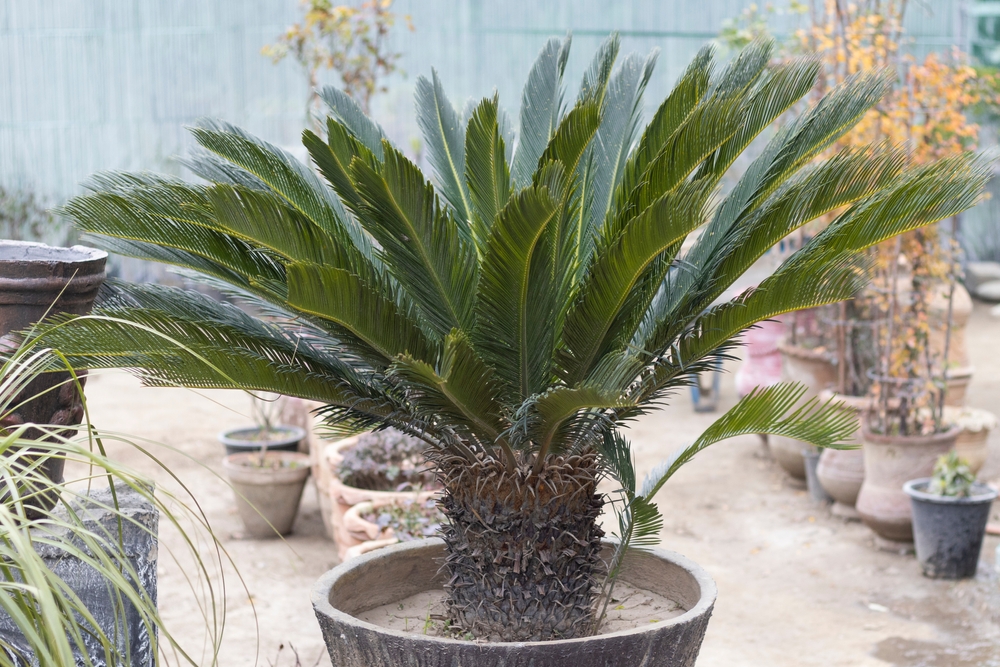
The sago palm stands out among ornamental plants due to its symmetrical fronds and sculptural appearance. Although the name suggests a palm tree, the plant belongs to an ancient group of plants known as cycads.
This guide covers sago palm plant care, including sunlight needs, watering routines, container growing tips, and common problems. Whether you grow one indoors or outside, understanding how to care for a sago palm plant helps keep the plant healthy and visually striking for years. If you plan to add one to your home collection, you can also explore options through a convenient plant delivery service to bring greenery straight to your door.
What Is a Sago Palm?
The plant commonly known as the sago palm belongs to the species Cycas revoluta. Native to southern Japan, this slow growing ornamental plant forms a thick trunk topped with stiff, glossy fronds that radiate outward in a circular pattern. Landscapers value the plant for its architectural shape, which creates a dramatic focal point in gardens and indoor plant collections.
Sago palms belong to a plant group known as cycads, one of the oldest surviving plant lineages on Earth. Fossil evidence shows cycads existed more than 200 million years ago, during the age of dinosaurs. These plants appeared long before modern flowering plants developed, which explains their primitive reproductive structures and slow growth patterns.
According to the Missouri Botanical Garden, cycads such as Cycas revoluta resemble palm trees but belong to a completely different botanical group. They produce cones rather than flowers and reproduce through seeds instead of blooms. Their thick trunks store nutrients and moisture, which allows the plant to tolerate periods of drought. Historically, people in parts of Japan and Southeast Asia processed the starchy center of the trunk to produce a substance known as sago. This process required careful preparation because the raw plant contains natural toxins. Despite this historical use, modern cultivation focuses on the plant’s ornamental value rather than food production.
During the nineteenth century, botanical collectors and plant explorers introduced cycads to Europe and North America as exotic landscape specimens. Their prehistoric appearance and durability made them popular additions to botanical gardens and conservatories. Today, gardeners grow sago palms both indoors and outdoors in warm climates. With the right environment and consistent care, sago palms grow slowly but steadily and can live for several decades, often becoming long-term centerpiece plants in homes and landscapes.
How To Take Care of a Sago Palm
Light and Temperature Needs
Proper lighting plays a key role in sago palm plant care. These plants prefer bright, indirect sunlight. Outdoors, they grow best in partial sun where they receive morning light and afternoon shade. Indoor plants should sit near a bright window with filtered sunlight. Direct intense sun through glass can scorch the fronds. Temperature also matters. Sago palms grow best in temperatures between 65°F and 85°F. They tolerate mild cold but suffer damage when temperatures drop below freezing. Gardeners in cooler climates often keep the plant in containers so they can move it indoors during winter.
Watering and Soil Requirements
Watering habits influence the long-term health of the plant. Sago palm care requires well-draining soil and moderate watering. Water the plant thoroughly, then allow the soil to dry before watering again. Overwatering often causes root rot, which remains one of the most common problems with cycads.
A good potting mix for these plants contains:
- Sand or perlite for drainage
- Standard potting soil
- Organic matter such as compost
The Royal Horticultural Society recommends well-draining soil because cycads store moisture within their thick trunks and roots. Excess water around the root system leads to disease. A consistent watering schedule remains an essential part of sago palm plant care.
Fertilizing
Fertilizer supports healthy growth and vibrant green fronds. Feed the plant during the active growing season, which typically runs from spring through early fall. Use a balanced slow-release fertilizer formulated for palms or cycads. Apply fertilizer every two to three months during the growing season. Avoid heavy fertilizing during winter when plant growth slows.
Growing Sago Palms in Gardens
Gardeners in warm climates often grow sago palms directly in landscape beds. Caring for sago palms outdoors requires attention to planting location, watering habits, and protection from pests.
When to Plant Sago Palms
The best time to plant a sago palm outdoors occurs in spring or early summer. Warmer temperatures allow the root system to establish before cooler weather arrives. Planting during the growing season also reduces transplant stress.
Where to Plant (Sunlight Needs)
Choose a location with partial sun and well-draining soil. Morning sunlight with afternoon shade works well. Too much direct afternoon sun may cause yellow or brown fronds.
When to Water
Water newly planted sago palms regularly during the first few months after planting. Once established, the plant tolerates short dry periods. Allow the soil to dry between watering sessions to prevent root problems.
How to cut a Sago Palm
Cut only damaged, yellow, or completely brown fronds. Use clean, sharp pruning shears and trim the fronds close to the trunk without cutting into the trunk itself. Avoid removing healthy green leaves because the plant relies on them for energy and growth. Gardeners usually prune once or twice per year, often after a new flush of leaves appears. Regular light pruning helps maintain the plant’s symmetrical shape and supports overall sago palm care.
Common Pests and Diseases
Several pests occasionally affect cycads. The most common include:
- Scale insects
- Mealybugs
- Spider mites
Scale insects remain one of the most serious pests affecting sago palms. They attach to leaves and stems, feeding on plant sap. Treat infestations using horticultural oil or insecticidal soap. Root rot remains the most frequent disease issue. Proper drainage and careful watering help prevent the problem.
Complementary Plants
Sago palms pair well with other tropical or architectural plants in gardens. Popular companions include:
- Bird of paradise
- Hibiscus
- Crotons
- Ornamental grasses
These plants share similar sunlight and watering preferences. If you enjoy tropical flowering plants, you may also want to read about caring for mandevilla plants, which grow well in similar warm climates.
Growing Sago Palms in Containers
Container growing works well for gardeners in cooler climates or for indoor plant collections. When learning how to care for a sago palm plant, container selection and drainage remain key considerations.
Choosing the Right Container
Sago palms grow slowly, so they do not require frequent repotting. Choose a container with drainage holes and enough weight to support the plant’s thick trunk.
Suitable container styles include:
- Clay pots
- Ceramic planters
- Window planter boxes
- Decorative indoor planters
Clay pots work particularly well because they allow excess moisture to evaporate. Repot every two to three years when roots outgrow the container.
Soil and Drainage
Use a well-draining potting mix similar to the one used for outdoor planting. Adding coarse sand or perlite improves airflow and prevents soggy soil. Good drainage remains one of the most important elements of successful sago palm care.
Indoor Placement
Place container plants near bright windows with filtered light. Rotate the pot occasionally to encourage even growth. Indoor sago palms benefit from occasional outdoor time during warm months. Gradually introduce them to outdoor conditions to avoid sunburn. If you enjoy unique foliage plants, you might also enjoy the fatsia plant care guide, which explains how to grow another bold tropical houseplant.
Propagation
Gardeners propagate sago palms through offsets, which are small shoots that grow around the base of mature plants.
To propagate:
- Remove the offset from the main trunk.
- Allow the cut surface to dry for several days.
- Plant the offset in well-draining soil.
- Water lightly until roots form.
Propagation requires patience because cycads grow slowly.
Varieties of Sago Palms
Although the common sago palm dominates the ornamental market, several related cycad species appear in gardens.
Cycas revoluta
This remains the most widely grown species and the one most commonly sold as a houseplant.
Cycas rumphii
Known as the queen sago, this variety grows taller and thrives in tropical climates.
Cycas taitungensis
Native to Taiwan, this species resembles Cycas revoluta but often grows slightly faster.
Each species requires similar sago palm plant care practices.
Safety Considerations
All parts of the sago palm contain toxic compounds. According to veterinary sources and horticultural guides, ingestion by pets can cause severe illness. Dog owners should take particular caution when growing cycads indoors or outdoors. Place plants out of reach of pets and children to avoid accidental ingestion.
Fun Facts About Sago Palms
Several unique characteristics make this plant fascinating:
- Cycads existed during the dinosaur era.
- Sago palms grow slowly and live for decades.
- The plant produces a crown of new leaves once or twice per year.
- Male and female plants produce different cone structures.
These traits add to the plant’s appeal among collectors and gardeners.
Help Your Sago Palm Thrive with The Bouqs Co.
Understanding sago palm plant care helps gardeners grow healthy plants indoors or outdoors. Bright indirect sunlight, well-draining soil, and careful watering create ideal conditions for these ancient plants. Whether placed in a landscape bed or grown indoors in a decorative pot, the plant adds dramatic structure and long-lasting greenery to any space. With proper attention and patience, caring for sago palms results in a resilient and striking addition to your plant collection.
Shop All
